
by MyH Editorial Team | Dec 11, 2023 | Lab Protocols, Red Blood Cells
Procedure-at-a-Glance A hemolysate is the liquid produced when red blood cells are deliberately broken open so that hemoglobin can be tested. It is the starting material for hemoglobin electrophoresis, HPLC, capillary electrophoresis, and the alkaline denaturation...
by MyH Editorial Team | Dec 11, 2023 | Hemostasis Disorders, Lab Protocols
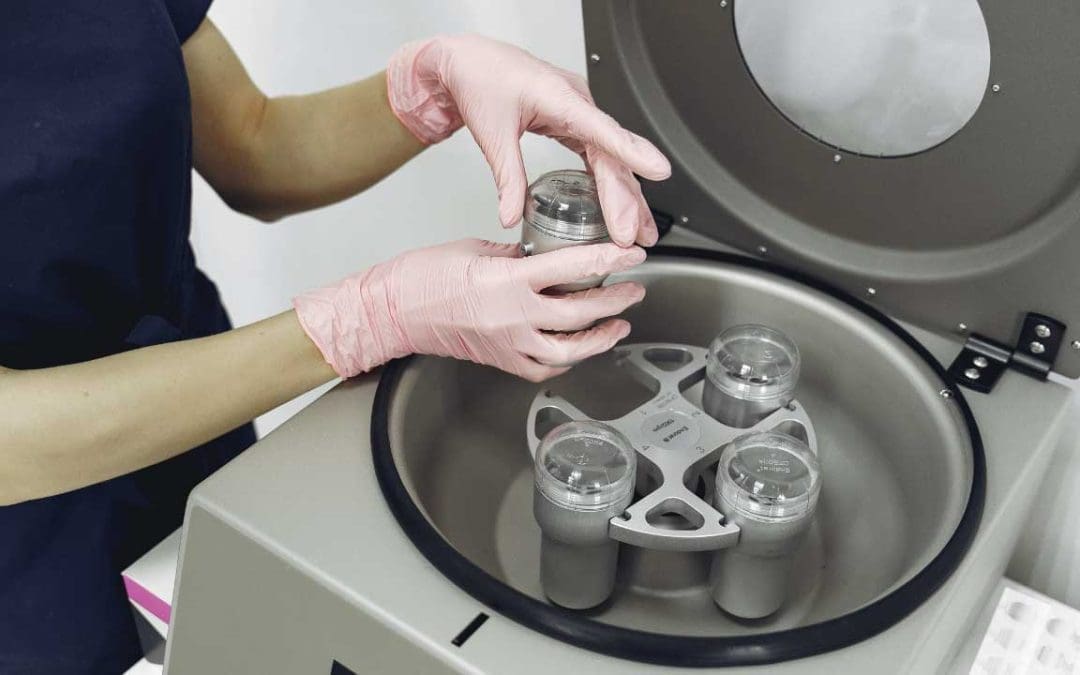
Procedure-at-a-Glance An APTT mixing study is a follow-up coagulation test that mixes patient plasma 1:1 with pooled normal plasma to find out whether a prolonged APTT is caused by a missing clotting factor or by an inhibitor [1]. Preparation. Prepare a 1:1 mix of...

by MyH Editorial Team | Dec 5, 2023 | White Blood Cells
Key Takeaways Acute myeloid leukemia or AML is an aggressive blood cancer in which the bone marrow makes too many immature myeloid cells (blasts) that cannot mature into working red cells, white cells, or platelets. Predisposing factors ▾: DNA damaging agents...
by MyH Editorial Team | Dec 1, 2023 | Lab Protocols, Transfusion Medicine
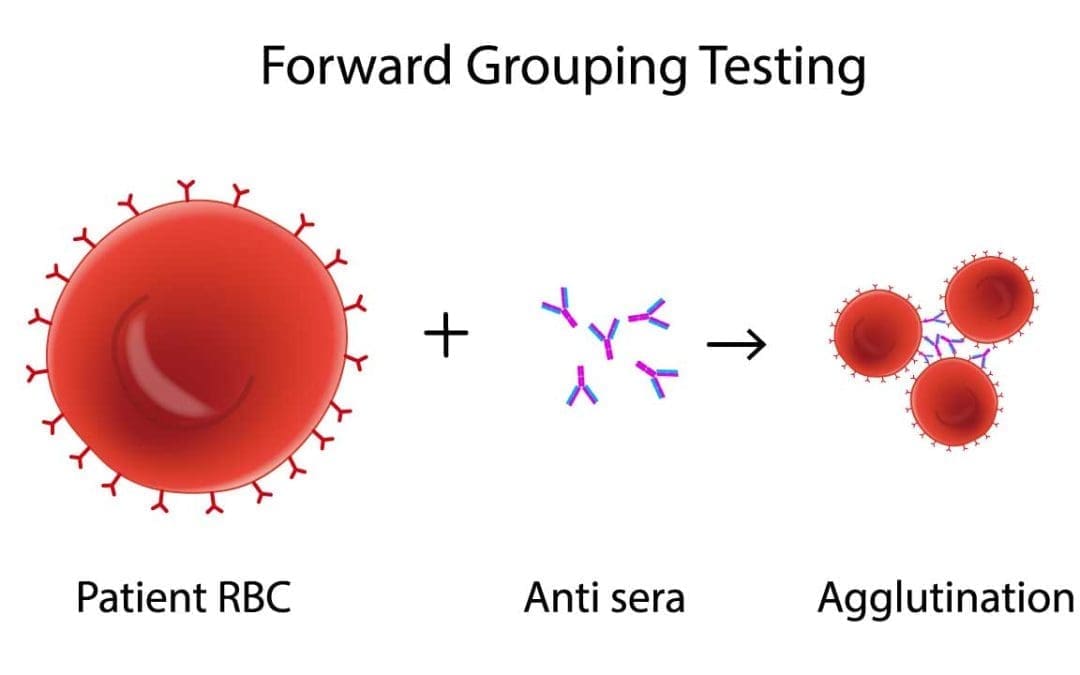
Procedure At A Glance The ABO Rh test identifies a person’s ABO group (A, B, AB, or O) and RhD type (positive or negative), and it is the single most important pre-transfusion test in any blood bank [1]. Key Steps ▾ Prepare a 2–5% red cell...

by MyH Editorial Team | Nov 29, 2023 | Red Blood Cells
Key Takeaways Alpha thalassemia is an inherited blood disorder in which one or more of the four alpha-globin genes is missing or faulty, reducing the alpha-globin protein needed to build normal hemoglobin [1]. Epidemiology ▾: It follows an autosomal recessive...

Recent Comments