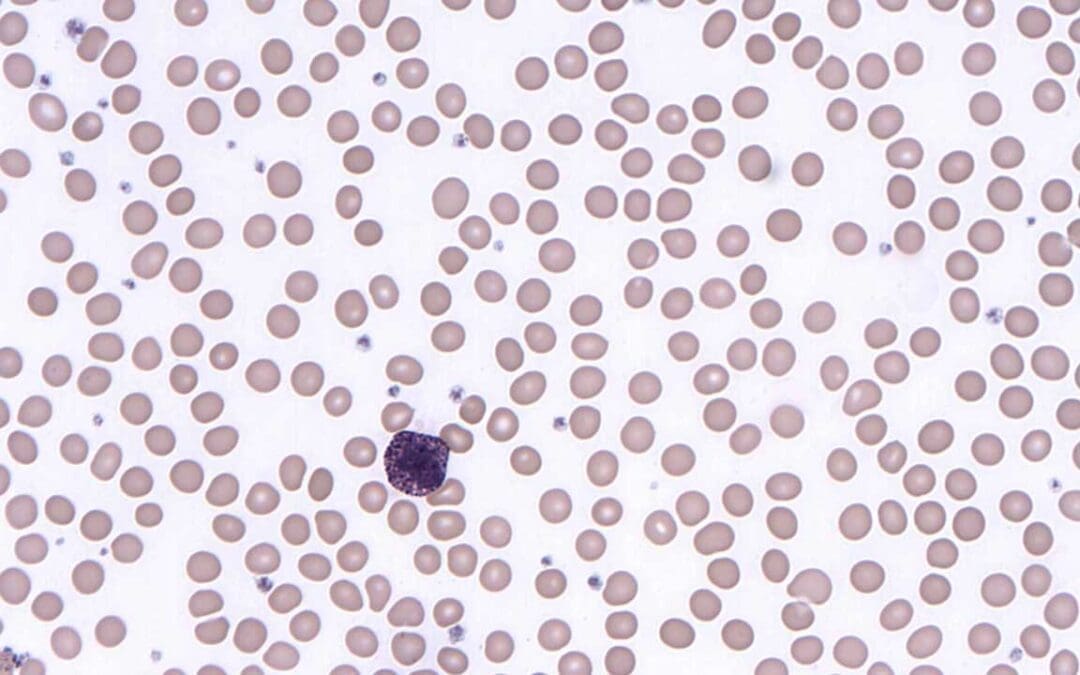
by MyH Editorial Team | Sep 29, 2024 | White Blood Cells
Key Takeaways Granulocytes: Basophils are a type of granulocyte, a group of white blood cells characterized by their large granules. Function ▾: Allergic reactions: They play a crucial role in allergic reactions (type I hypersensitivity) by releasing...

by MyH Editorial Team | Sep 24, 2024 | White Blood Cells
Key Takeaways Eosinophils are white blood cells that play a crucial role in the immune system. They are characterized by their distinctive bilobed nucleus and large, eosinophilic granules. Functions ▾ Combating parasitic infections: Eosinophils release toxic...
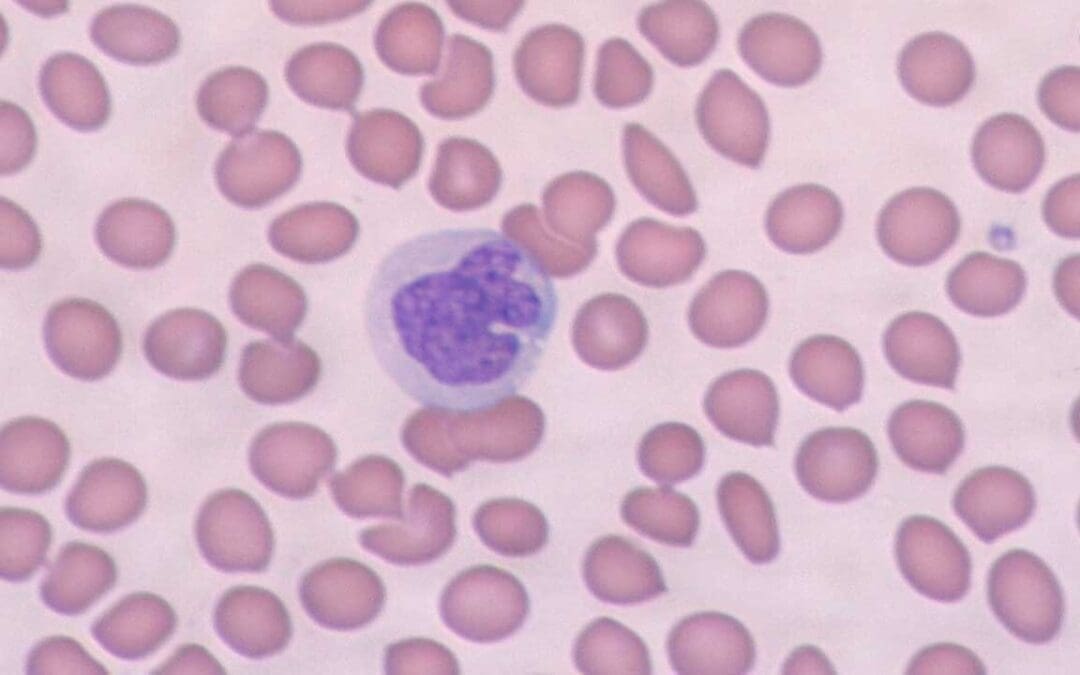
by MyH Editorial Team | Sep 16, 2024 | White Blood Cells
Key Takeaways Monocytes are a type of white blood cell that play a crucial role in the immune system. Here are the key points: Function ▾: Monocytes are responsible for phagocytosis (engulfing and destroying foreign particles), antigen presentation, and...
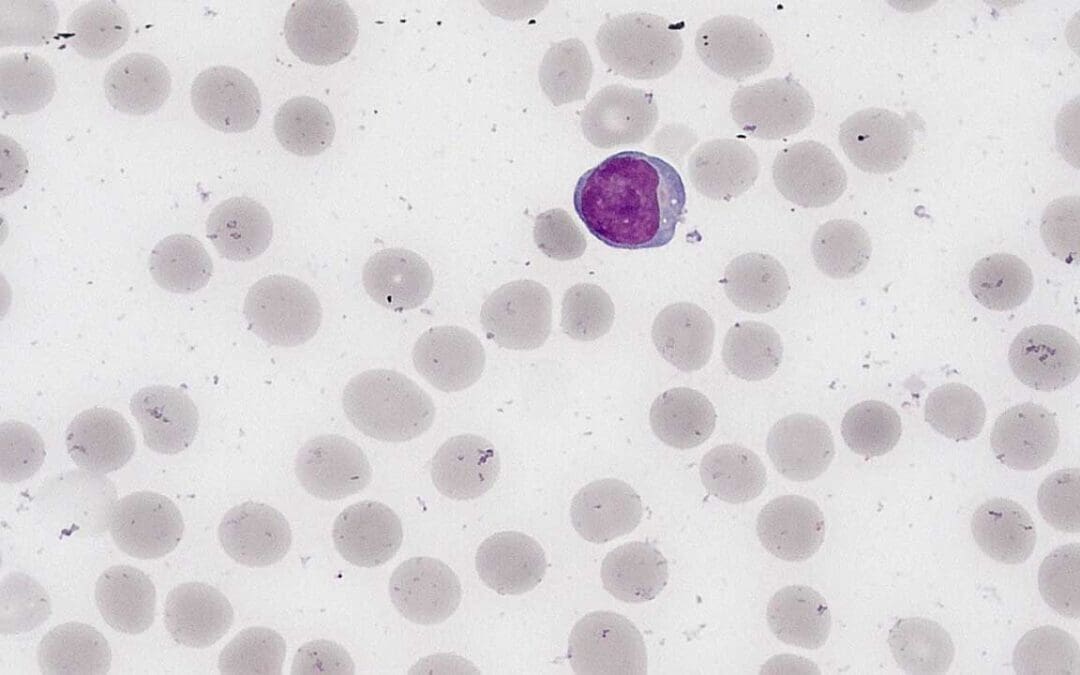
by MyH Editorial Team | Sep 10, 2024 | White Blood Cells
Key Takeaways Lymphocytes are a type of white blood cell crucial for adaptive immunity. Three main types ▾: B cells, T cells, and natural killer (NK) cells. Functions ▾: B cells: Produce antibodies to fight infections. T cells: Directly attack infected...

by MyH Editorial Team | Sep 1, 2024 | Hemostasis Disorders
Key Takeaways Ehlers-Danlos Syndrome (EDS) is a group of genetic connective tissue disorders characterized by: Joint hypermobility: Excessive range of motion in joints, leading to pain, instability, and dislocations. Skin hyperextensibility: Skin that can be stretched...

Recent Comments