by MyH Editorial Team | Nov 29, 2023 | Red Blood Cells
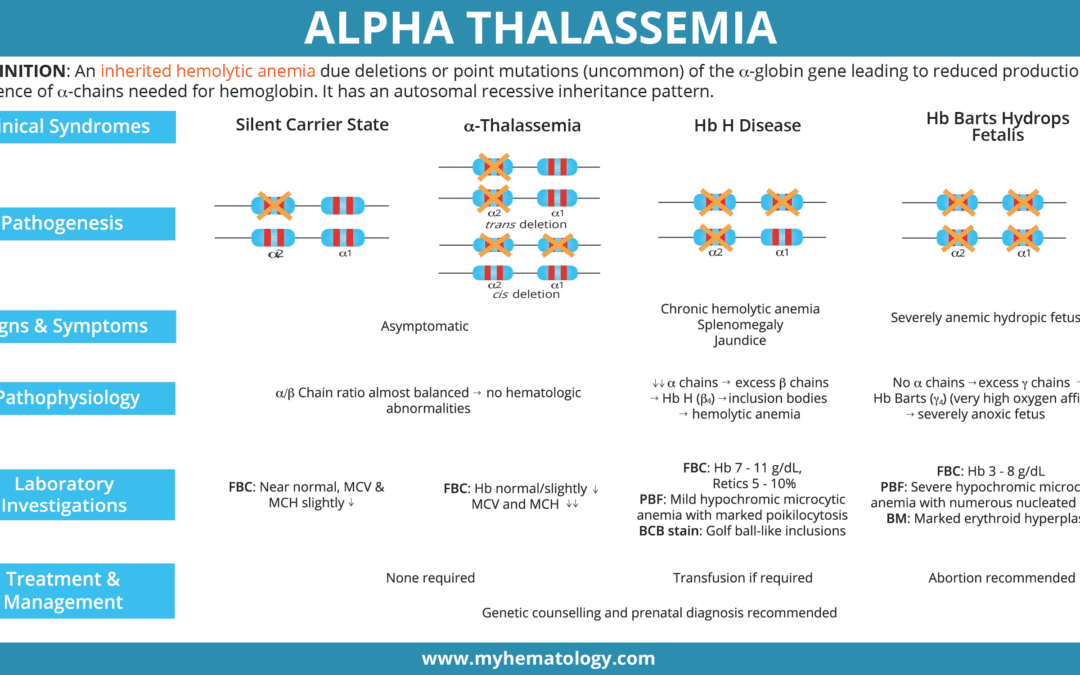
Key Takeaways Alpha thalassemia is an inherited blood disorder in which one or more of the four alpha-globin genes is missing or faulty, reducing the alpha-globin protein needed to build normal hemoglobin [1]. Epidemiology ▾: It follows an autosomal recessive...
by MyH Editorial Team | Nov 28, 2023 | Lab Protocols, Red Blood Cells
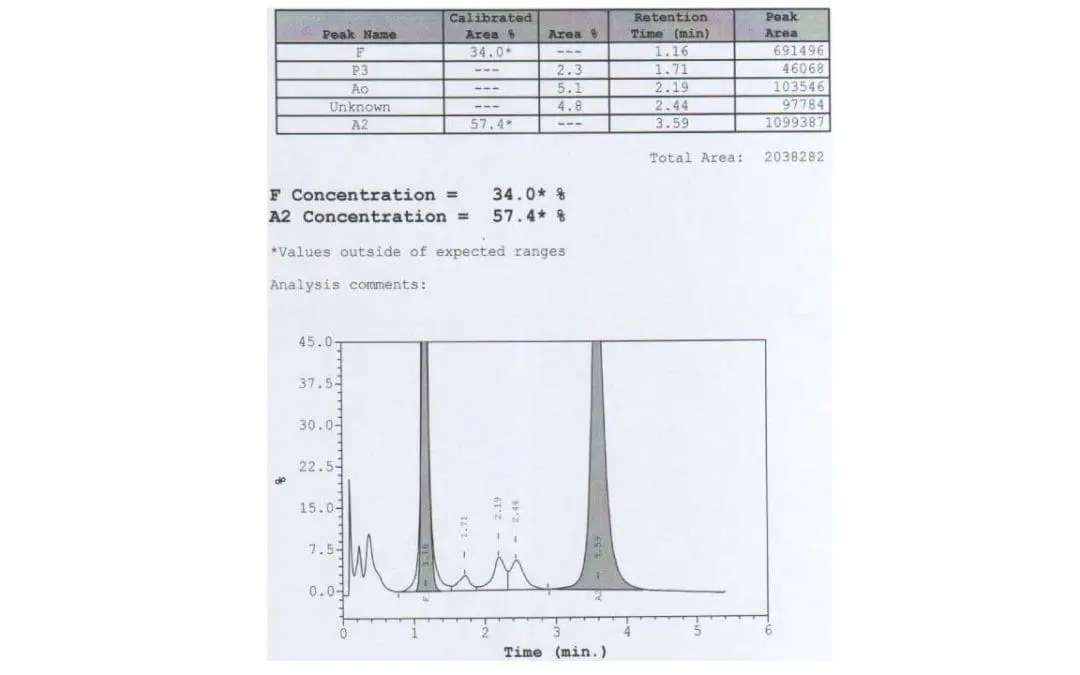
Procedure At-A-Glance HPLC, or high performance liquid chromatography, is the most widely used laboratory method for screening hemoglobinopathies such as beta-thalassemia trait, sickle cell disease, and HbE disease [1,5]. The protocol below describes the Bio-Rad...
by MyH Editorial Team | Nov 23, 2023 | Lab Protocols, Red Blood Cells
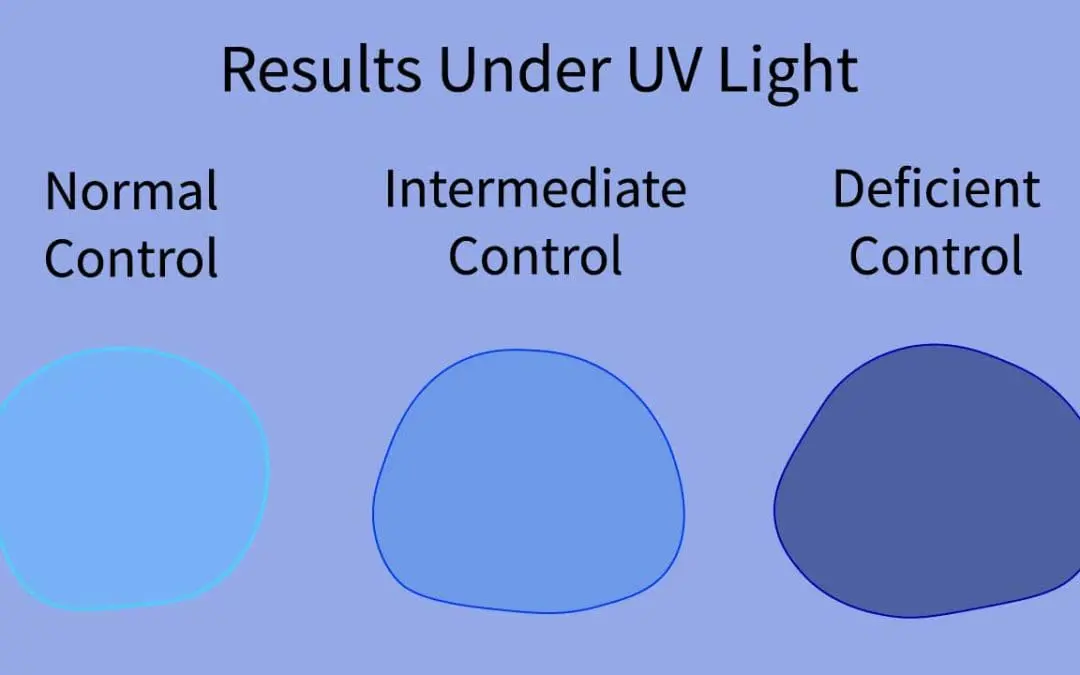
Procedure At-A-Glance The G6PD test screens for glucose-6-phosphate dehydrogenase deficiency, the most common inherited enzyme disorder, affecting around 400 million people worldwide [3]. The fluorescent spot test (FST) is a fast, low-cost qualitative G6PD test that...
by MyH Editorial Team | Nov 22, 2023 | Red Blood Cells
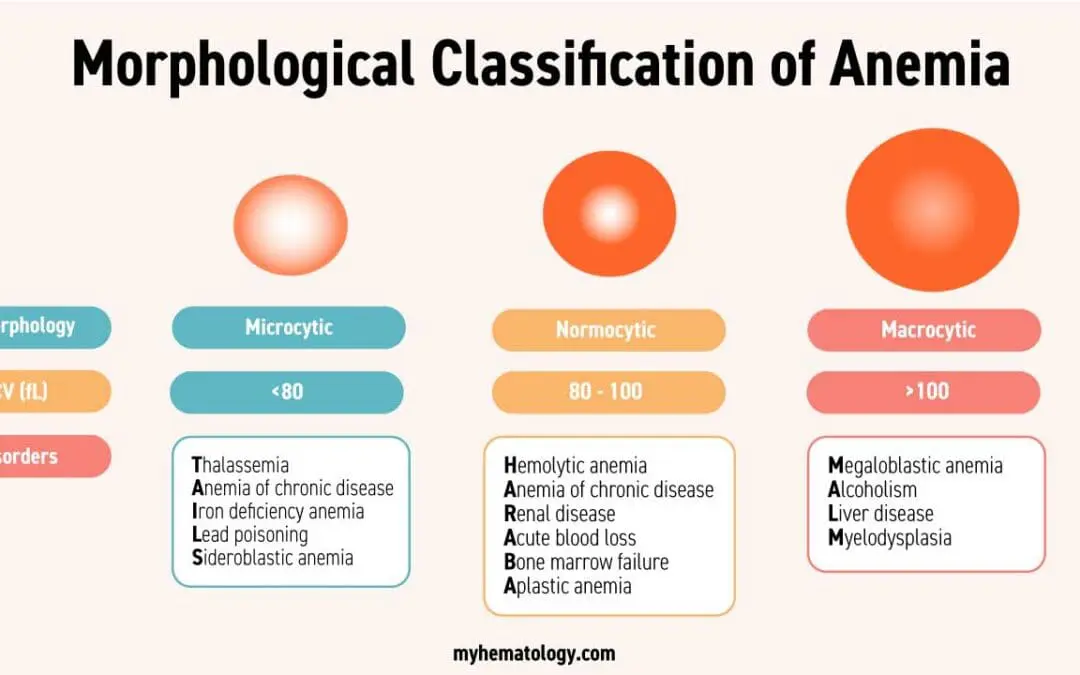
Key Takeaways Anemia is a reduction in red blood cells or hemoglobin that lowers the blood’s oxygen-carrying capacity. It is a sign of an underlying problem, not a disease in itself [1,3]. Anemia Symptoms and Factors Affecting Them ▾: Symptoms vary based...
by MyH Editorial Team | Nov 14, 2023 | Red Blood Cells
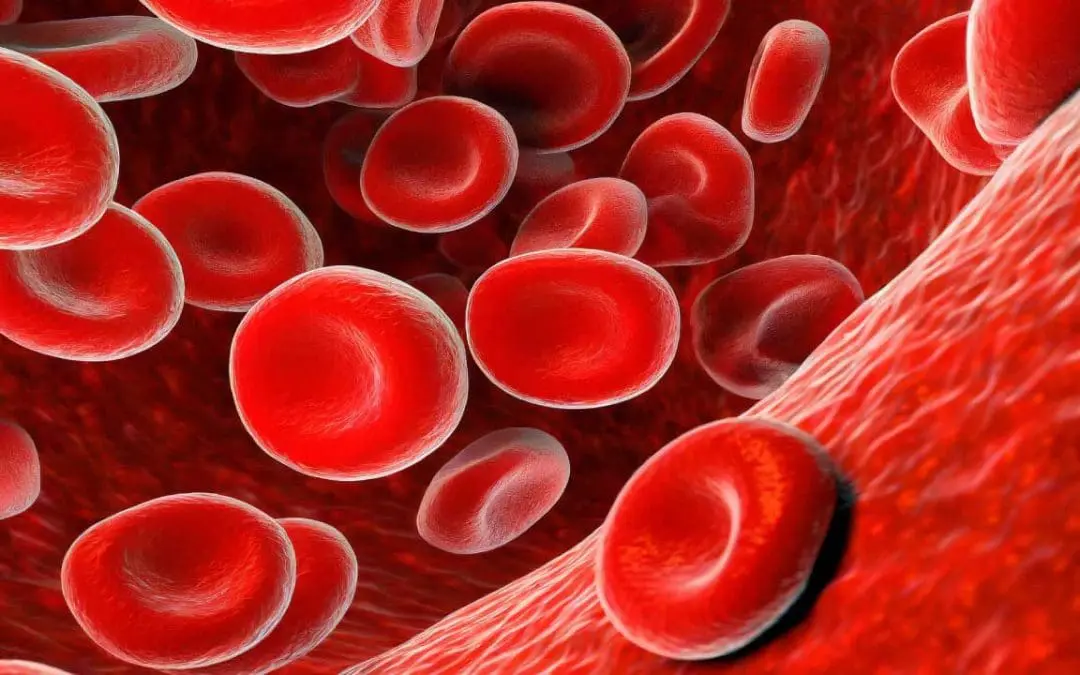
Key Takeaways A red blood cell (RBC, or erythrocyte) is a biconcave, anucleate cell whose central job is to ferry oxygen from the lungs to tissues and carbon dioxide back to the lungs. About 1.9 billion people worldwide live with anemia, making red blood cell...

Recent Comments