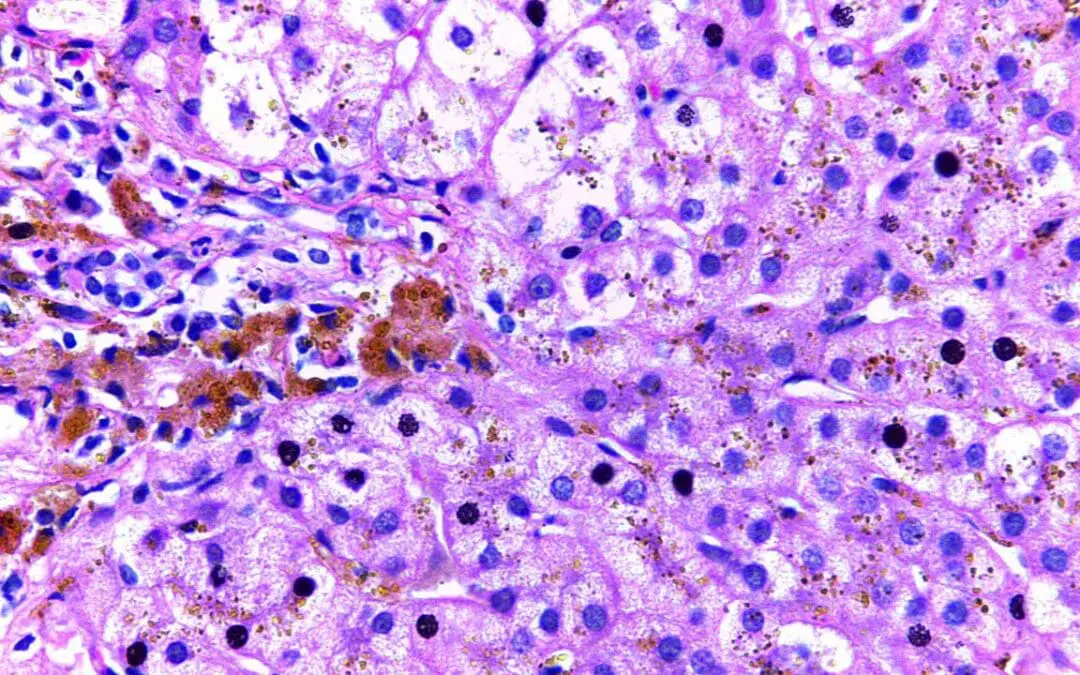
by MyH Editorial Team | Apr 23, 2024 | Red Blood Cells
Key Takeaways Hereditary hemochromatosis is a genetic disorder of iron regulation that causes progressive iron overload in organs and tissues. Causes ▾: Most cases involve HFE gene mutations (C282Y/H63D); inheritance is autosomal recessive. Symptoms ▾:...
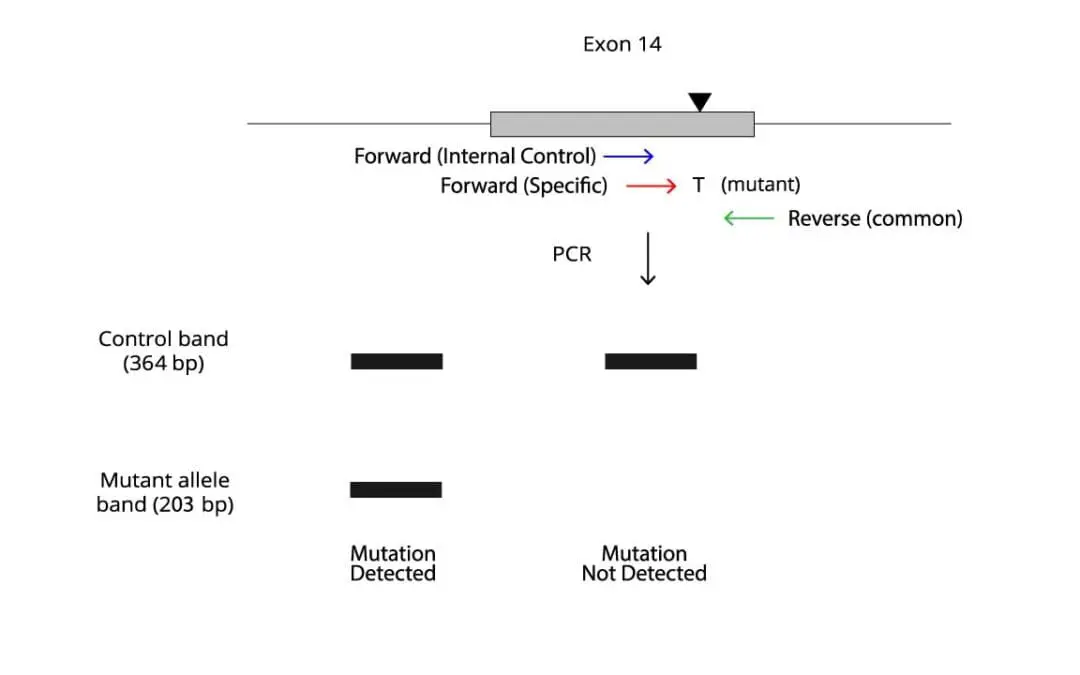
by MyH Editorial Team | Apr 19, 2024 | Lab Protocols, White Blood Cells
Key Takeaways JAK2 V617F is the most common driver mutation in Philadelphia-negative myeloproliferative neoplasms (MPNs), present in roughly 95–97% of polycythemia vera, 50–65% of essential thrombocythemia, and 50–65% of primary myelofibrosis...
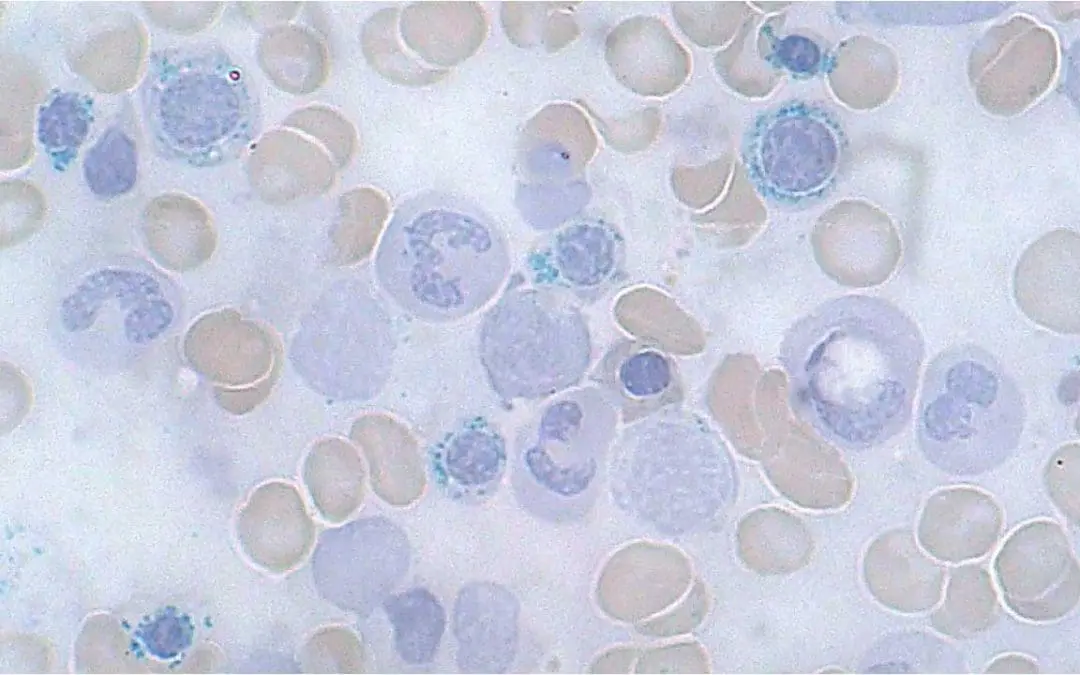
by MyH Editorial Team | Apr 10, 2024 | Red Blood Cells
Key Takeaways Sideroblastic anemia is a group of inherited and acquired disorders in which bone marrow cells cannot build iron into hemoglobin, leaving iron stranded inside red cell precursors as ring sideroblasts visible on Prussian blue staining [3,9]. Causes...
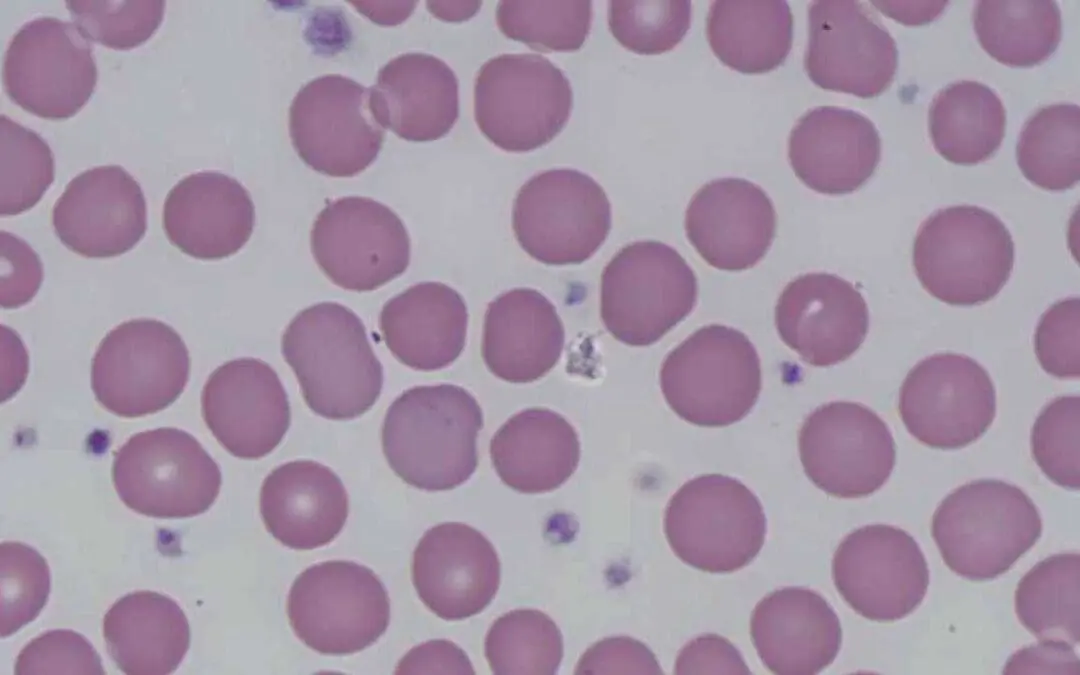
by MyH Editorial Team | Apr 9, 2024 | Red Blood Cells
Key Takeaways Macrocytic anemia is anemia with red blood cells that are larger than normal, defined by a mean corpuscular volume (MCV) above 100 femtoliters on a complete blood count. Causes fall into two groups: megaloblastic (impaired DNA synthesis, usually from...
by MyH Editorial Team | Apr 8, 2024 | Red Blood Cells
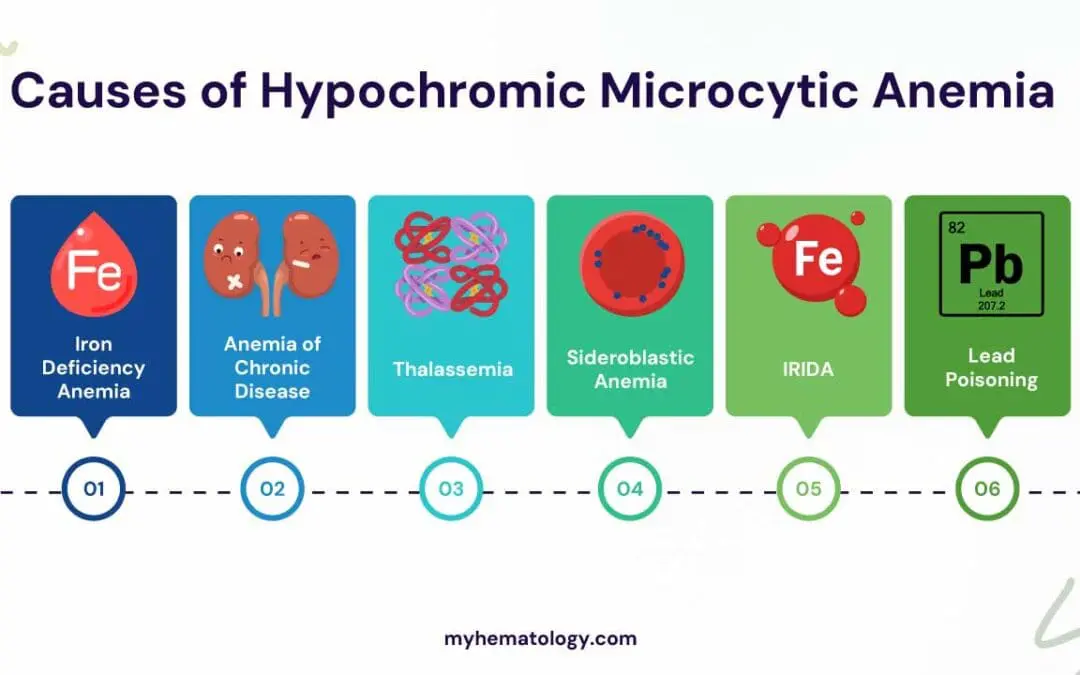
Key Takeaways Microcytic anemia is anemia with red blood cells smaller than normal, defined as a Mean Corpuscular Volume (MCV) below 80 femtoliters (fL). When these cells also look pale under the microscope (hypochromia), the picture is called hypochromic microcytic...

Recent Comments