by MyH Editorial Team | Jan 29, 2024 | Commentaries, general
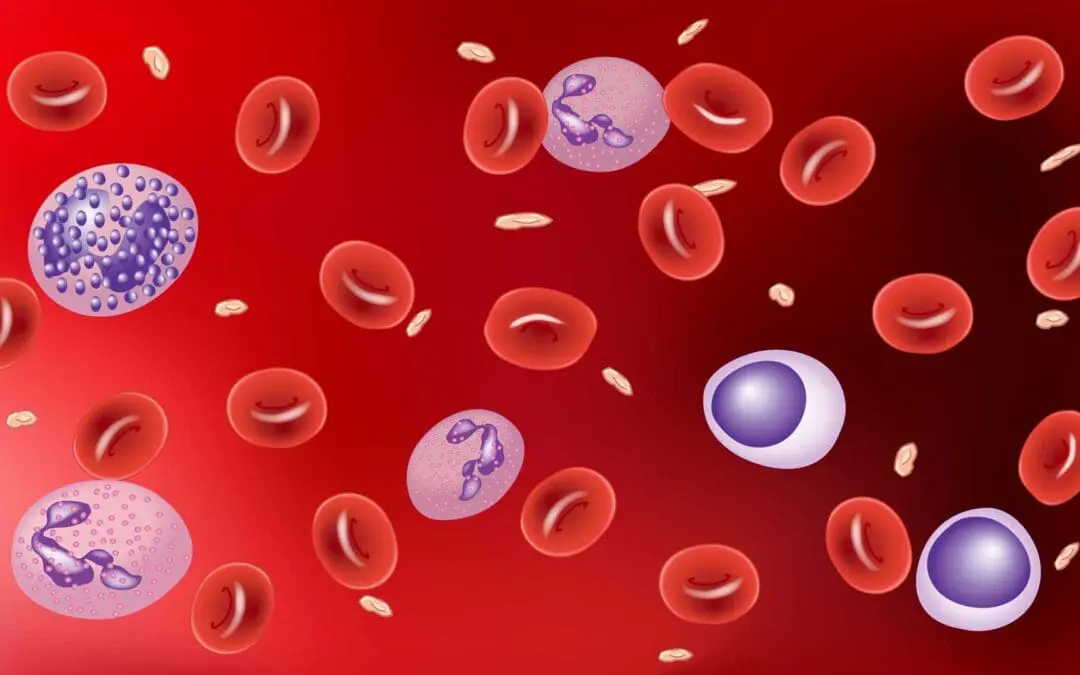
What is hematology? Hematology is the branch of medicine dedicated to the study of blood, blood-forming organs, and blood-related disorders. This encompasses a vast spectrum, from understanding the composition and function of blood cells to diagnosing and managing...
by MyH Editorial Team | Jan 27, 2024 | Hemostasis Disorders
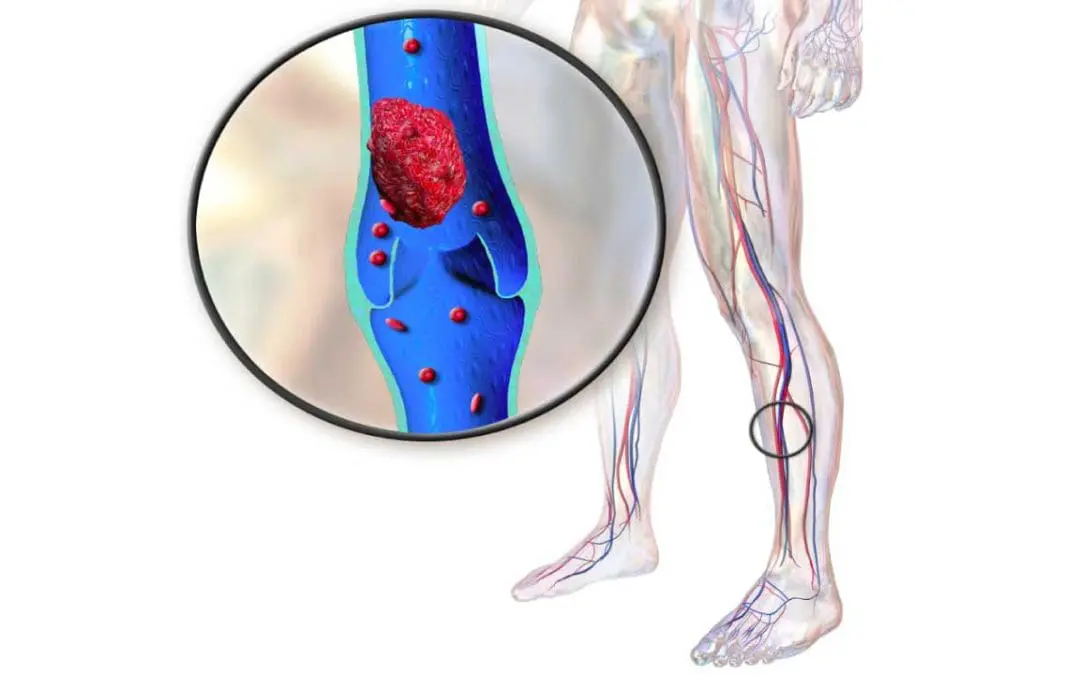
Key Takeaways DVT is a blood clot that forms in a deep vein, usually in the calf or thigh. Left untreated, it can travel to the lungs and cause a life-threatening pulmonary embolism (PE). Causes ▾: Three forces drive DVT — vessel wall injury, slow blood...
by MyH Editorial Team | Jan 20, 2024 | Lab Protocols, Red Blood Cells
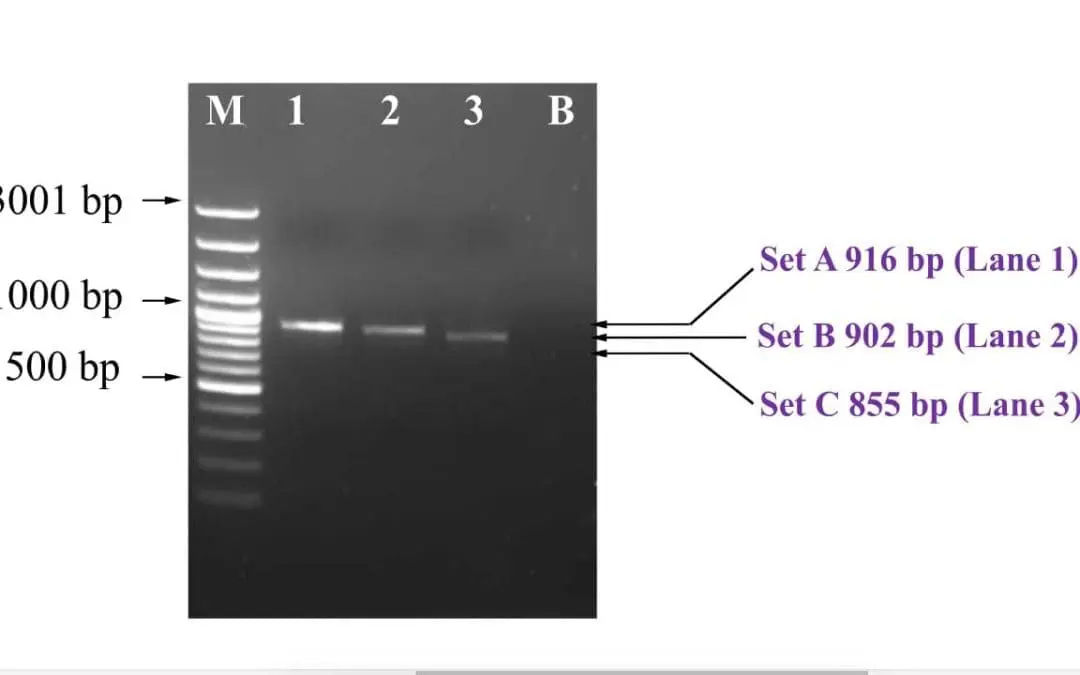
Procedure-At-A-Glance Assemble the casting tray with a comb sized to your sample number. Weigh the agarose powder for your target percentage (for example, 1 g in 100 mL of 1× TBE or TAE for a 1% gel). Microwave in short bursts, swirling between each burst, until...
by MyH Editorial Team | Jan 18, 2024 | Commentaries, rbc
Introduction SCD arises from a single nucleotide mutation in the beta-globin gene (HBB) on chromosome 11. This mutation leads to the substitution of valine for glutamic acid at the sixth amino acid position of the beta-globin chain in the hemoglobin molecule. This...
by MyH Editorial Team | Jan 16, 2024 | Lab Protocols, Red Blood Cells
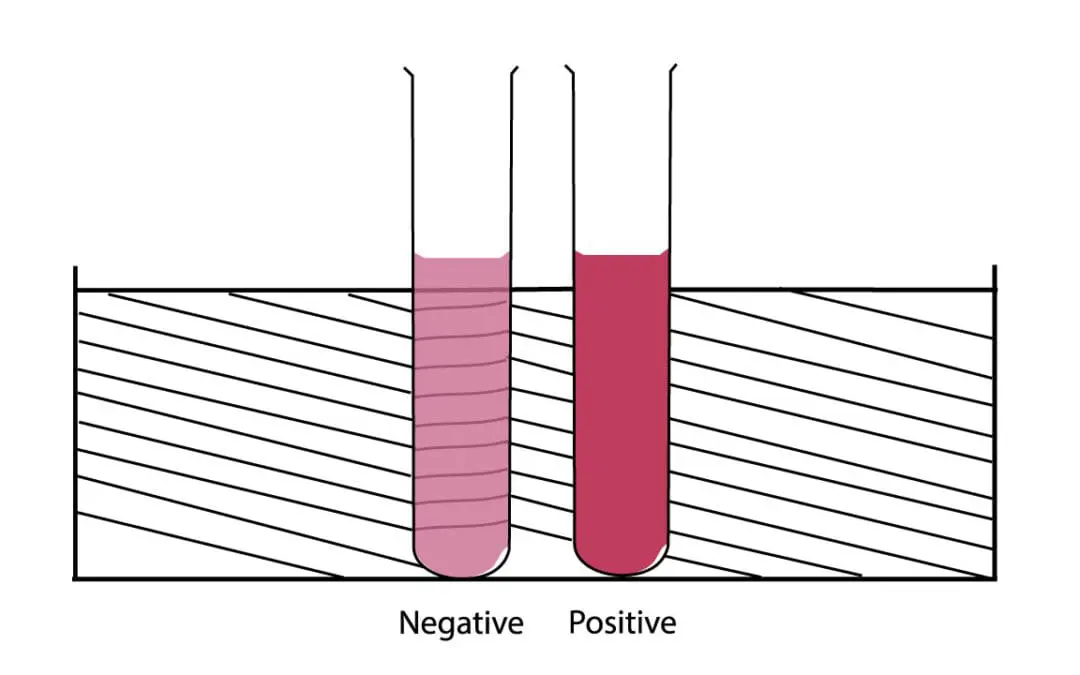
Procedure At a Glance The sickle cell disease test (dithionite solubility test) is a fast, low-cost screening method that detects hemoglobin S (HbS) by turning cloudy when deoxygenated HbS forms polymers. Prepare fresh dithionite reagent (or reconstitute a commercial...

Recent Comments