
by MyH Editorial Team | Jun 13, 2025 | Red Blood Cells
Key Takeaways Hydrops fetalis is excessive fluid accumulation in at least two fetal compartments (skin edema, pleural/pericardial effusion, ascites). Types: Immune (IHF, rare due to RhIG) and Non-Immune (NIHF, ~90% of cases). Pathophysiology ▾: Imbalance in...

by MyH Editorial Team | Jun 10, 2025 | White Blood Cells
Key Takeaways Atypical lymphocytes, also called reactive lymphocytes, are normal immune cells (mostly activated T cells) that have changed size and shape while fighting an infection. They signal an active immune response, not usually cancer. Common Causes ▾:...
by MyH Editorial Team | Jun 9, 2025 | White Blood Cells
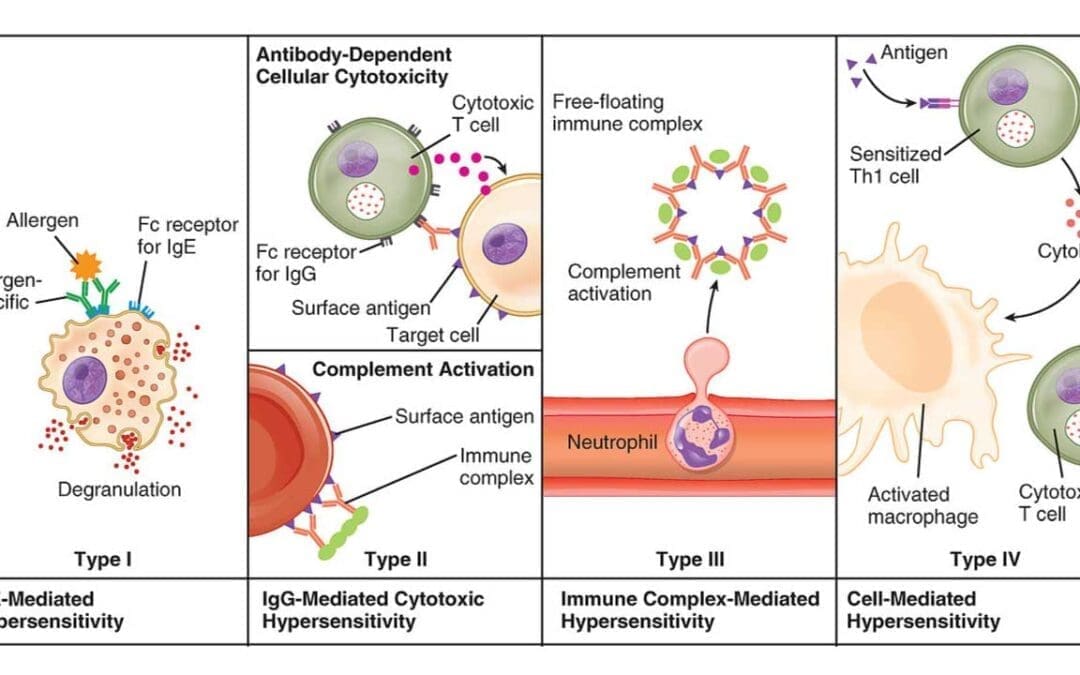
Key Takeaways Hypersensitivity is an exaggerated or inappropriate immune response to an antigen, which may be a harmless substance, an allergen, a self-antigen, or a pathogen, causing tissue damage instead of protection. The Gell and Coombs system sorts...
by MyH Editorial Team | Jun 6, 2025 | Hemostasis Disorders, Lab Protocols
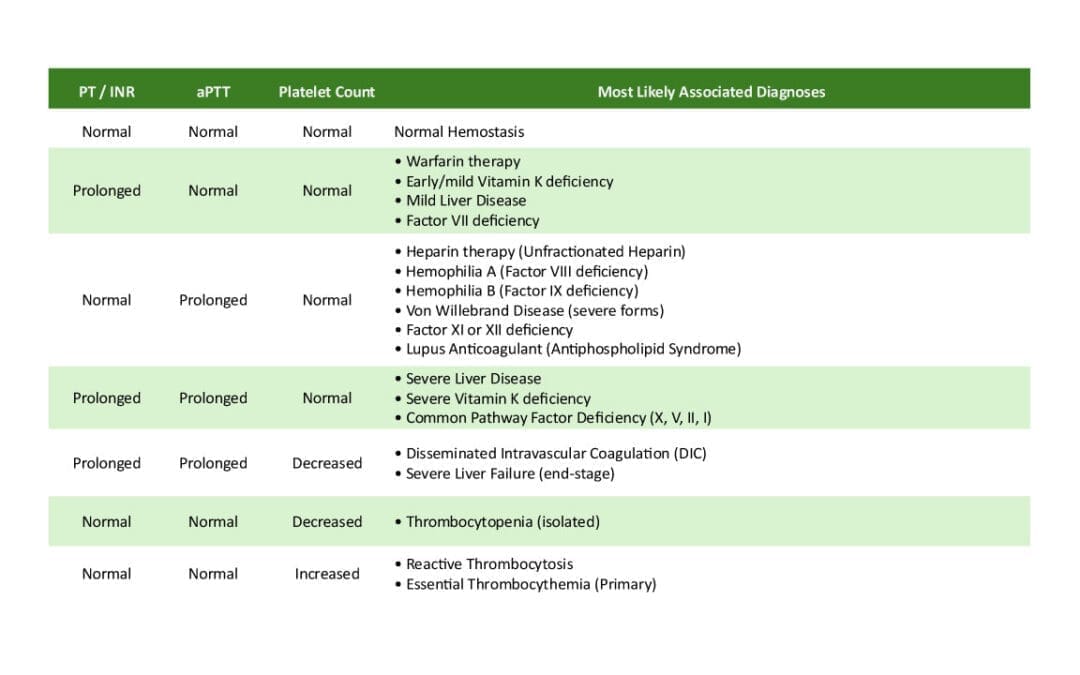
Key Takeaways A coagulation screening panel is a group of blood tests that gives a broad picture of how well blood clots. The standard version has three parts: prothrombin time (PT) with INR, activated partial thromboplastin time (aPTT), and platelet count [2]. PT/INR...

by MyH Editorial Team | Jun 4, 2025 | White Blood Cells
Key Takeaways Basophilia means a high basophil count, usually an absolute basophil count above about 0.1 x 10⁹/L. It is a sign of an underlying condition, not a disease in its own right. Role of Basophils ▾: Basophils drive allergic and inflammatory...

Recent Comments