by MyH Editorial Team | Dec 20, 2023 | Lab Protocols, White Blood Cells
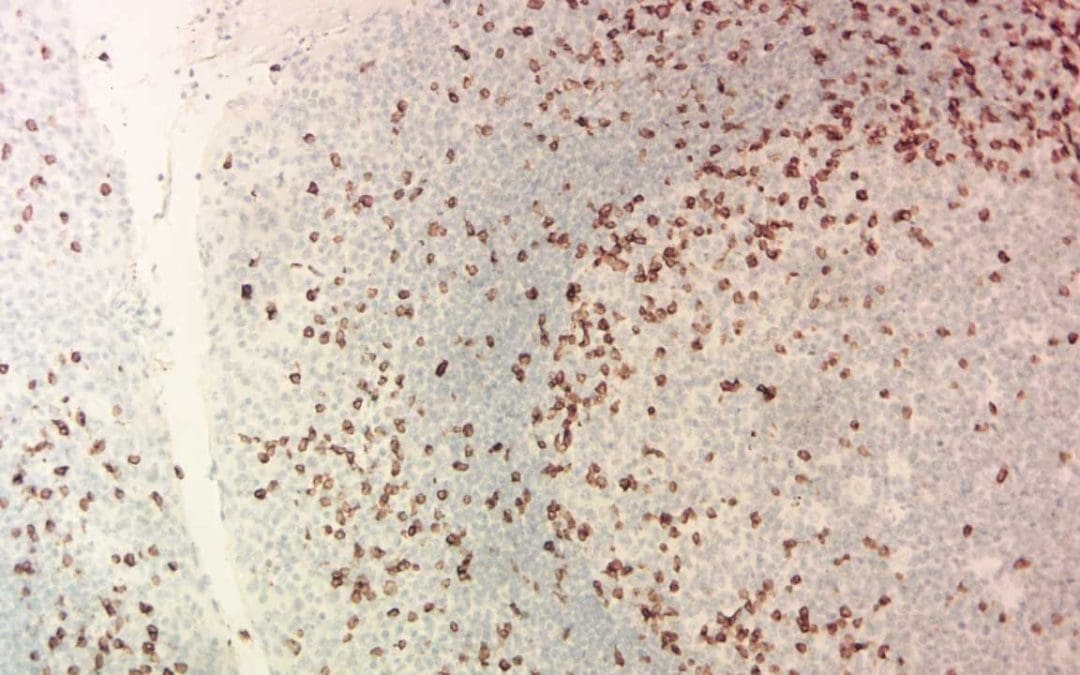
Procedure At A Glance IHC (immunohistochemistry) is a tissue-staining technique that uses antibodies to detect specific proteins in fixed tissue sections, making it a cornerstone of modern hematopathology [1]. Total time: approximately 4–6 hours, excluding...
by MyH Editorial Team | Dec 19, 2023 | Hemostasis Disorders, Lab Protocols
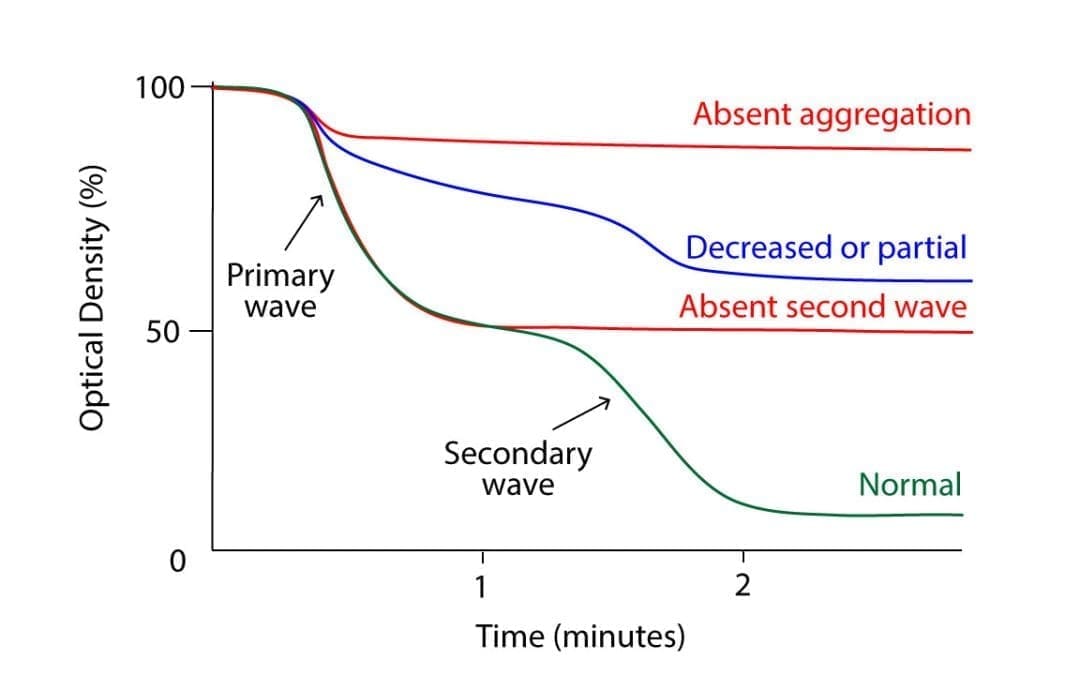
Procedure-at-a-Glance The platelet aggregation test is a laboratory study that measures how well platelets clump together in response to chemical triggers, helping clinicians diagnose inherited and acquired platelet function disorders. Processing: Spin 1 (Slow):...

by MyH Editorial Team | Dec 18, 2023 | Hemostasis Disorders
Key Takeaways Hemostasis is the body’s coordinated system for stopping bleeding while keeping blood flowing inside healthy vessels. It works in four overlapping stages: vasoconstriction, primary hemostasis, secondary hemostasis, and fibrinolysis....
by MyH Editorial Team | Dec 17, 2023 | Hemostasis Disorders
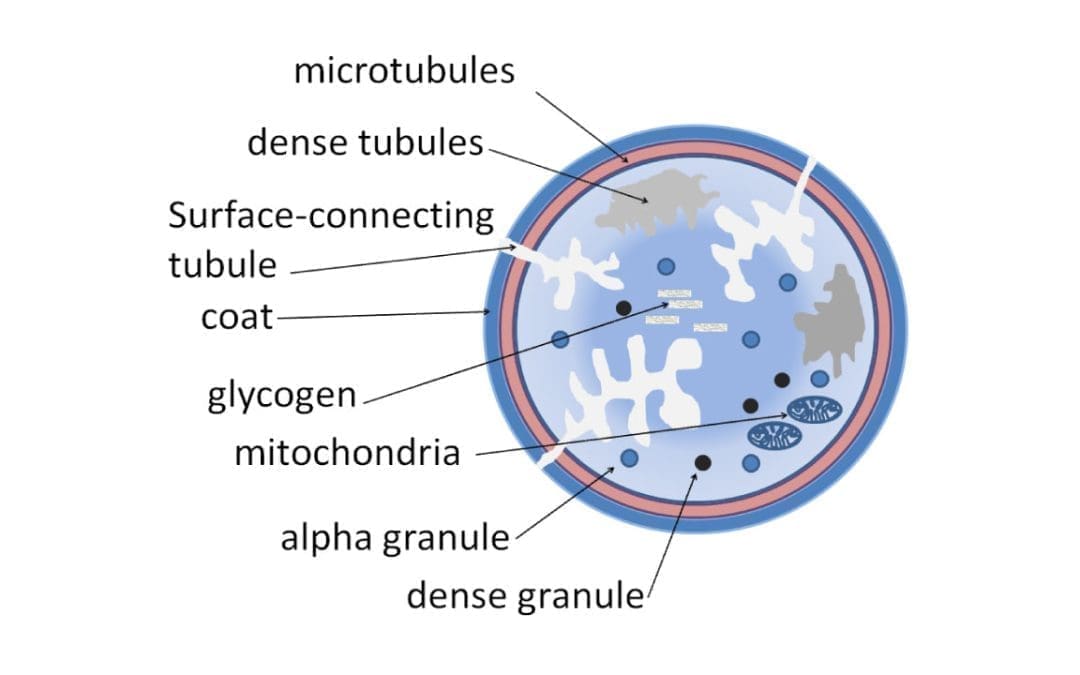
Key Takeaways A platelet (thrombocyte) is a small, disc-shaped cell fragment, 2–4 µm wide, made in the bone marrow from megakaryocytes; the normal count is 150,000–450,000/µL and each platelet lives 7–10 days. Primary Function...

by MyH Editorial Team | Dec 14, 2023 | White Blood Cells
Key Takeaways Myelodysplastic syndrome (MDS) is a group of bone marrow cancers in which mutated stem cells produce defective blood cells. Most are destroyed before reaching the bloodstream, causing low blood counts. Signs and symptoms ▾: Patients usually...

Recent Comments