
by MyH Editorial Team | Feb 10, 2024 | Lab Protocols, White Blood Cells
Procedure-At-A-Glance Flow cytometry analyzes thousands of individual blood cells per second by passing them through a laser and reading scattered and fluorescent light. Immunophenotyping by flow cytometry identifies cells by the proteins (antigens) they carry on...

by MyH Editorial Team | Feb 1, 2024 | Lab Protocols
Key Takeaways Cell surface markers are proteins, sugars, or lipids on the outside of a cell that act as identifiers, allowing scientists and clinicians to tell one cell type from another. CD34 is the most widely used marker of hematopoietic stem and progenitor cells,...
by MyH Editorial Team | Jan 29, 2024 | Commentaries, general
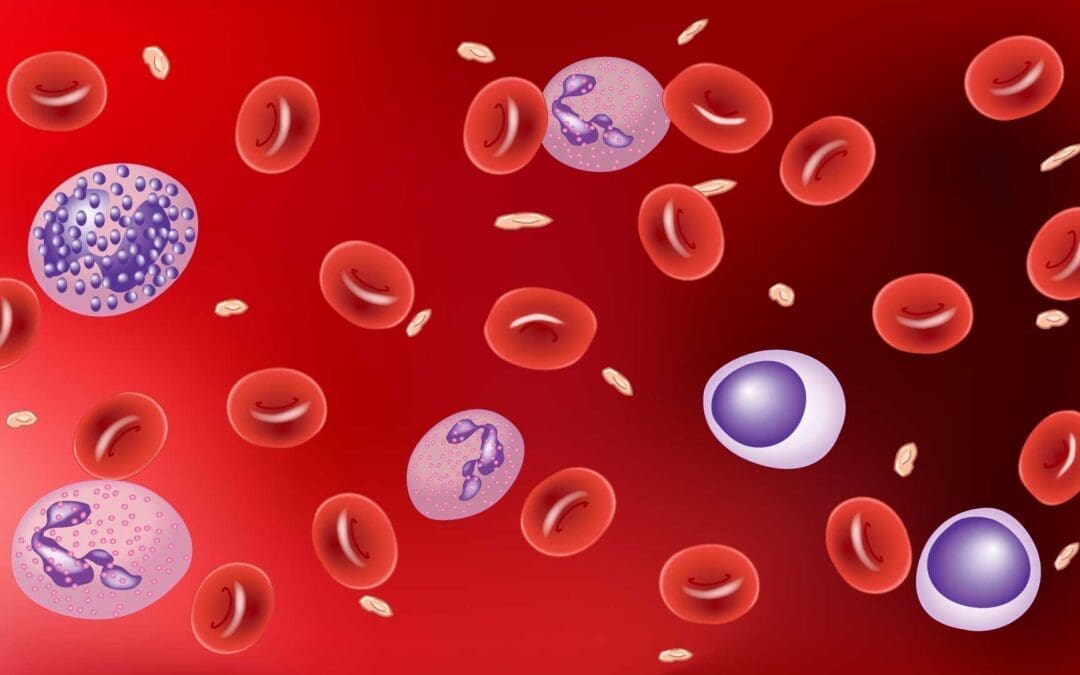
What is hematology? Hematology is the branch of medicine dedicated to the study of blood, blood-forming organs, and blood-related disorders. This encompasses a vast spectrum, from understanding the composition and function of blood cells to diagnosing and managing...
by MyH Editorial Team | Jan 27, 2024 | Hemostasis Disorders
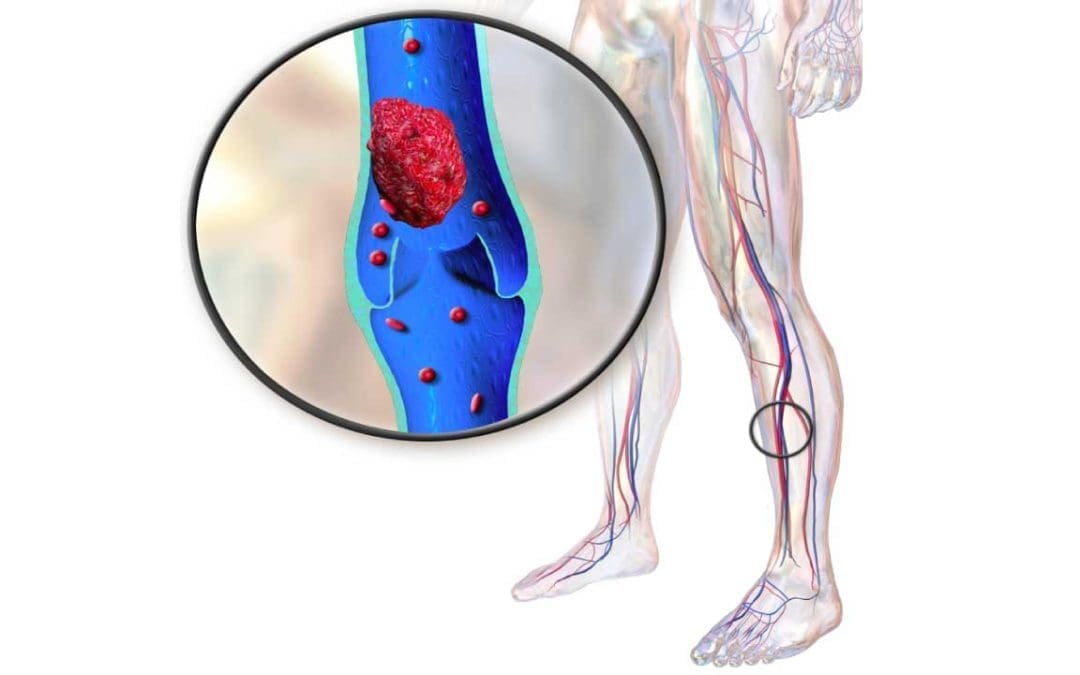
Key Takeaways DVT is a blood clot that forms in a deep vein, usually in the calf or thigh. Left untreated, it can travel to the lungs and cause a life-threatening pulmonary embolism (PE). Causes ▾: Three forces drive DVT — vessel wall injury, slow blood...

by MyH Editorial Team | Jan 20, 2024 | Lab Protocols, Red Blood Cells
Procedure-At-A-Glance Assemble the casting tray with a comb sized to your sample number. Weigh the agarose powder for your target percentage (for example, 1 g in 100 mL of 1× TBE or TAE for a 1% gel). Microwave in short bursts, swirling between each burst, until...

Recent Comments