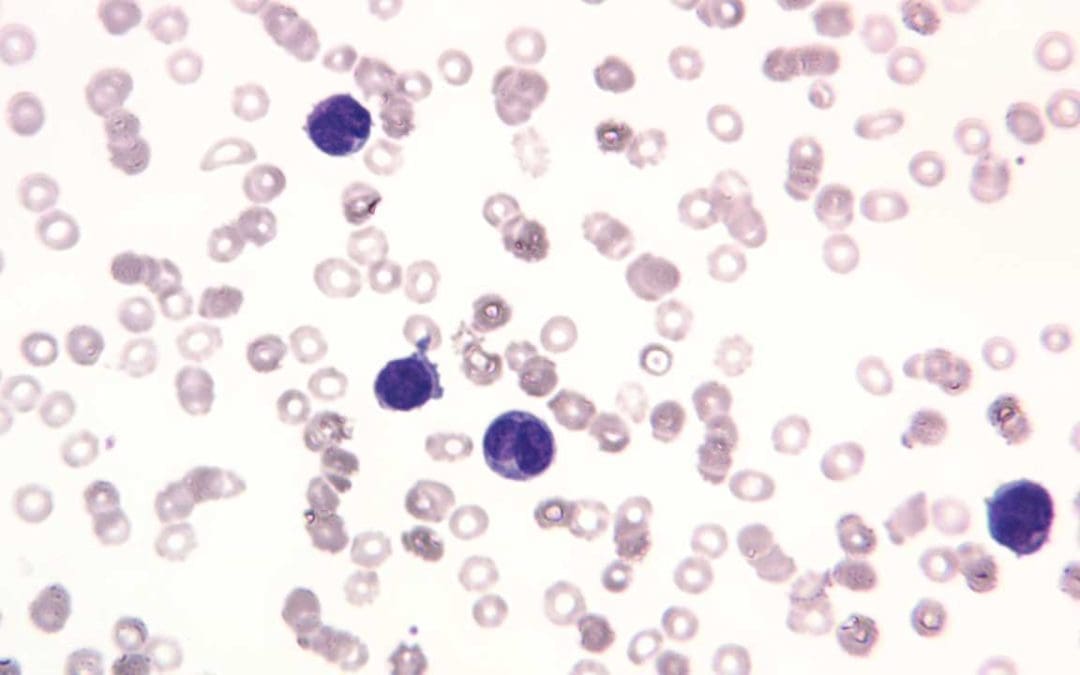
by MyH Editorial Team | Feb 24, 2024 | White Blood Cells
Key Takeaways Leukemia is a cancer of the blood and bone marrow caused by genetic changes in blood-forming stem cells, which lead to uncontrolled growth of abnormal cells called blasts [1,2]. Classifications ▾: The four main types of leukemia are acute...

by MyH Editorial Team | Feb 21, 2024 | White Blood Cells
Key Takeaways Lymphoma is a cancer of lymphocytes and is grouped into Hodgkin lymphoma and non-Hodgkin lymphoma based on whether a specific abnormal cell, the Reed-Sternberg cell, is present [2]. Signs & symptoms ▾: The most common first sign is a painless...
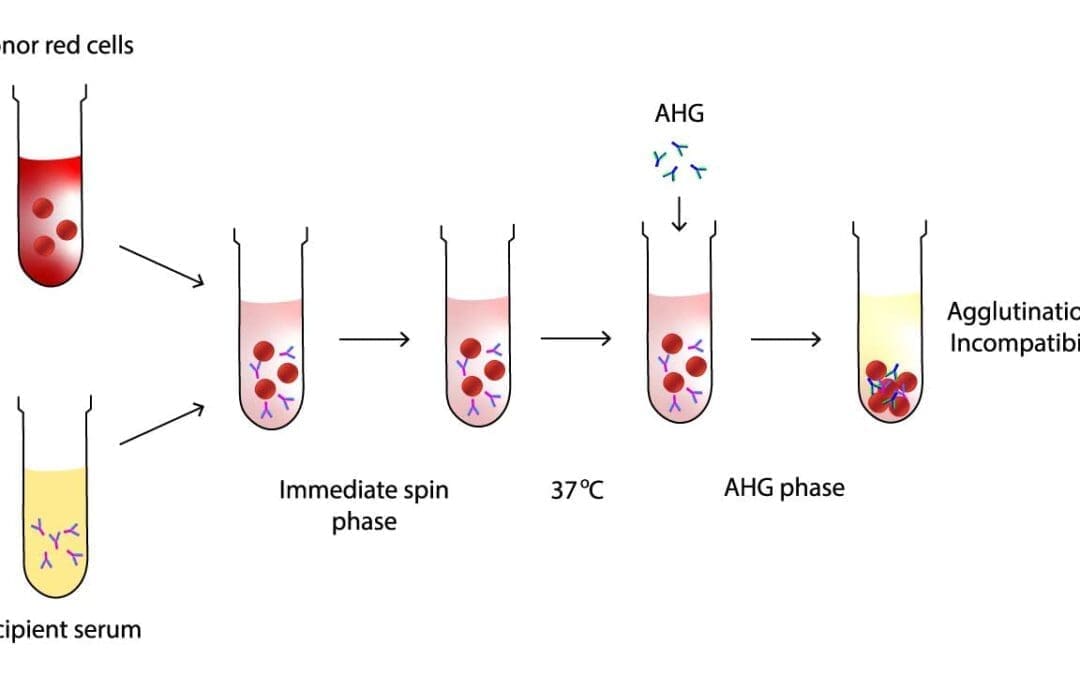
by MyH Editorial Team | Feb 17, 2024 | Lab Protocols, Transfusion Medicine
Key Takeaways Serologic cross-matching is the last laboratory check before a red-cell transfusion. It mixes the patient’s plasma with red cells from a specific donor unit to confirm they will not react. An incompatible cross-match means the unit cannot be...
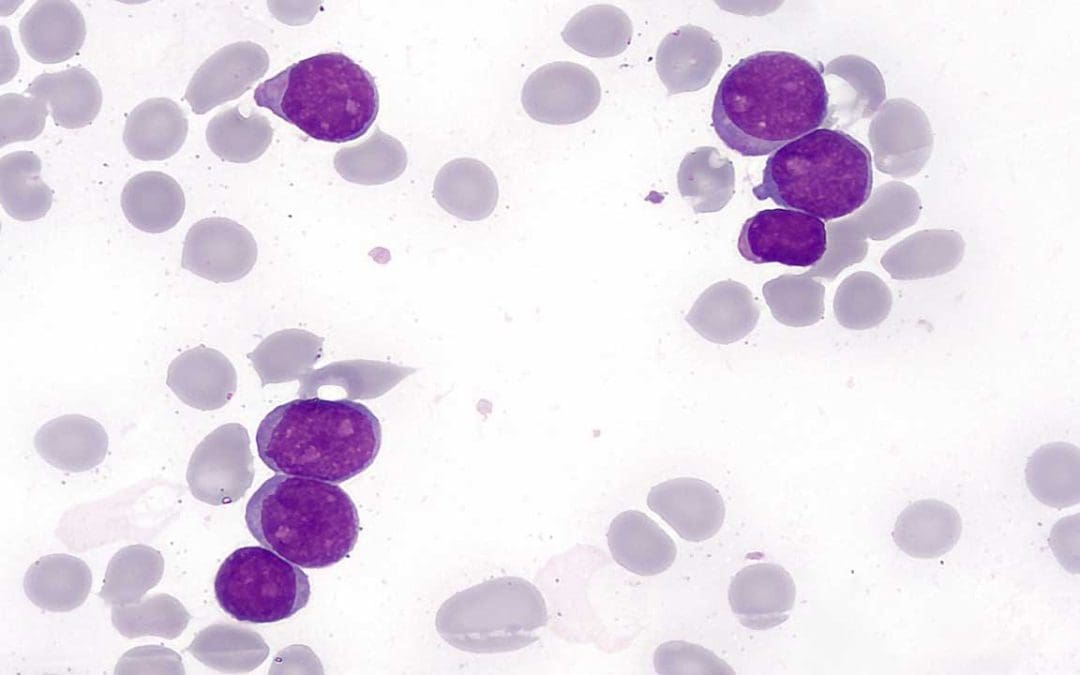
by MyH Editorial Team | Feb 11, 2024 | Commentaries, general
What is hemato-oncology (blood cancer)? Hemato-oncology specifically combines areas of hematology and oncology to diagnose and manage cancers that develop in the blood cells, bone marrow, lymph nodes, and other blood-related organs. Hemato-oncology is a fascinating...

by MyH Editorial Team | Feb 11, 2024 | Commentaries, general
What is hematopathology? Hemato-what? Ah, hematopathology! This exciting field bridges the gap between these two specialties. It combines the expertise of both hematology and pathology, focusing specifically on diseases and disorders affecting: Blood cells: Their...

Recent Comments