
by MH Team | Jun 9, 2025 | White Blood Cells
Key Takeaways Hypersensitivity is an exaggerated/inappropriate immune responses to innocuous antigens leading to tissue damage. Gell and Coombs system divides hypersensitivity reactions into four types (I, II, III, IV). Type I (Immediate (IgE-mediated)...
by MH Team | Jun 6, 2025 | Hemostasis Disorders, Lab Protocols
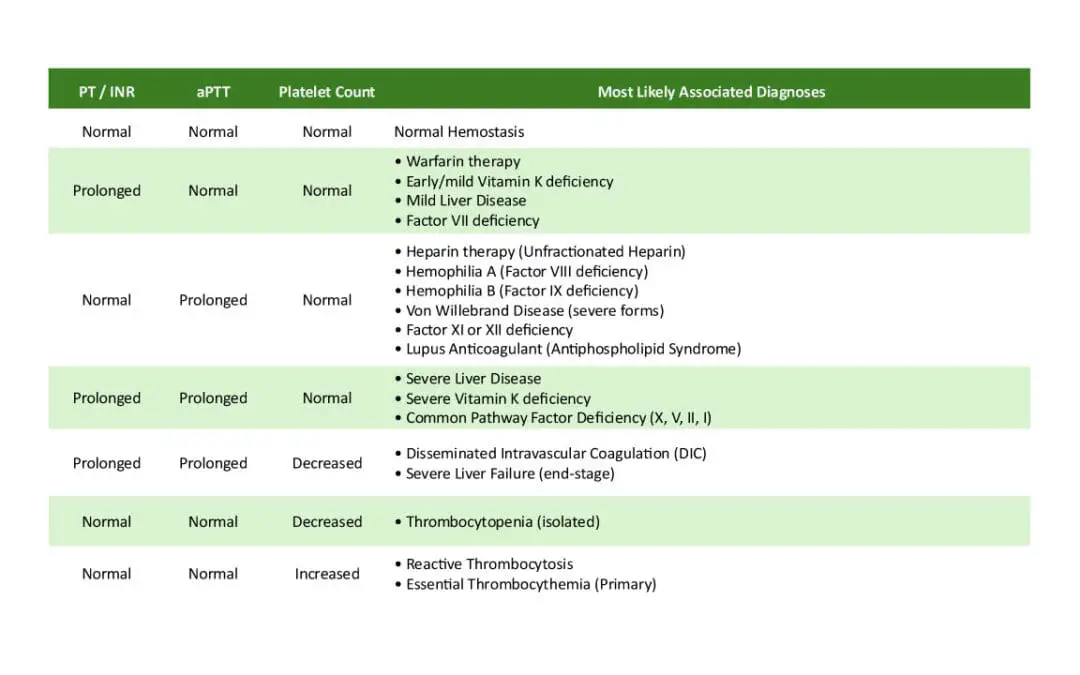
Key Takeaways A coagulation screening panel is a group of blood tests that gives a broad picture of how well blood clots. The standard version has three parts: prothrombin time (PT) with INR, activated partial thromboplastin time (aPTT), and platelet count [2]. PT/INR...
by MH Team | Jun 4, 2025 | White Blood Cells
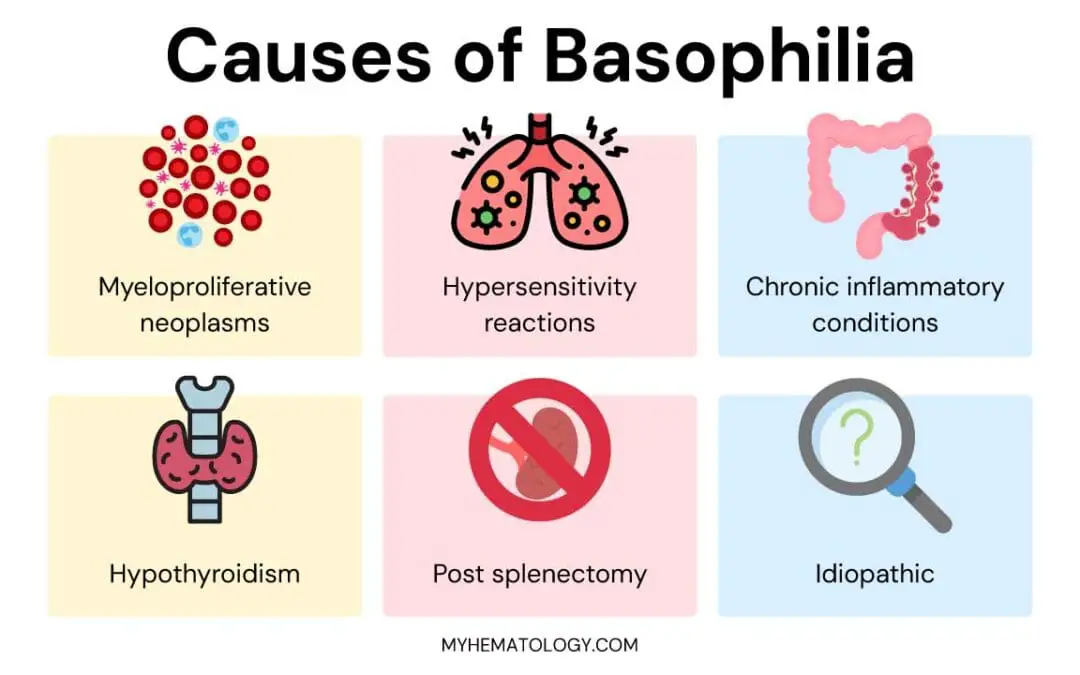
Key Takeaways Basophilia means a high basophil count, usually an absolute basophil count above about 0.1 x 10⁹/L. It is a sign of an underlying condition, not a disease in its own right. Role of Basophils ▾: Basophils drive allergic and inflammatory...
by MH Team | Jun 2, 2025 | Lab Protocols
Introduction The D-dimer test is a rapid and widely used diagnostic tool primarily for its high negative predictive value, meaning a normal D-dimer level can effectively rule out acute thrombotic events like deep vein thrombosis (DVT) and pulmonary embolism (PE) in...
by MH Team | May 30, 2025 | White Blood Cells
Key Takeaways Lymphopenia is an abnormally low lymphocyte count in the blood, defined in adults as an absolute lymphocyte count below 1.0 x 10⁹/L (1,000 cells/µL). Thresholds are higher in children and depend on age. Lymphocytes ▾: Lymphocytes (B...




Recent Comments