
by MH Team | May 27, 2026 | White Blood Cells
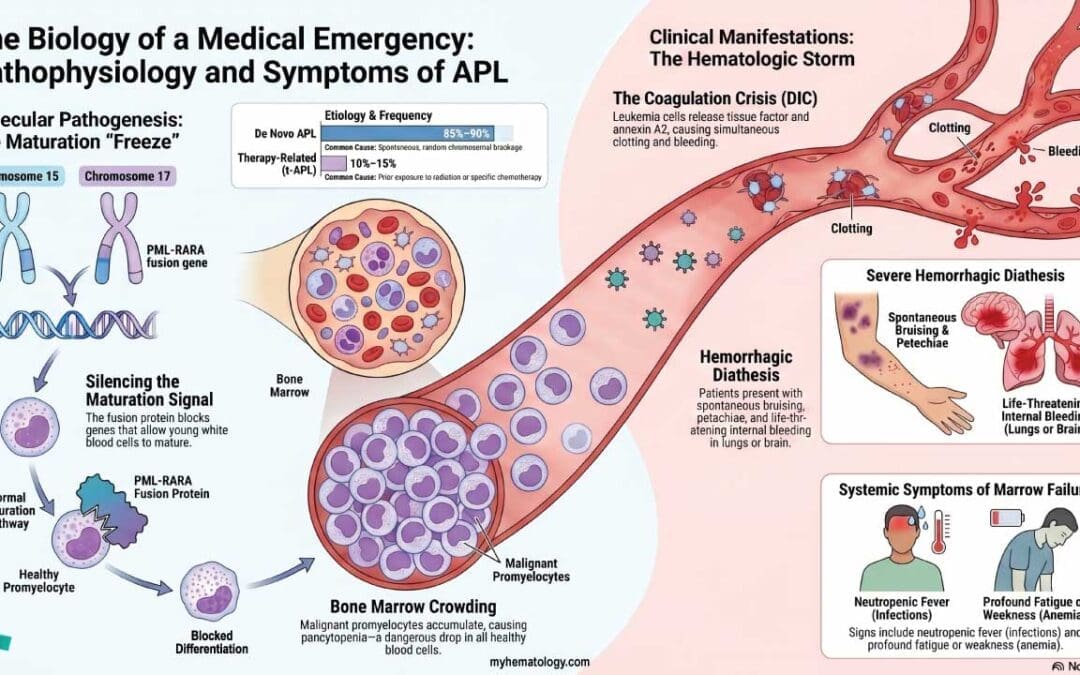
Key Takeaways Acute promyelocytic leukemia (APL) is a subtype of acute myeloid leukemia driven by the t(15;17) translocation, which creates the PML-RARA fusion gene and blocks white blood cells from maturing. Symptoms ▾: Patients typically present with the...
by MH Team | May 20, 2026 | Red Blood Cells
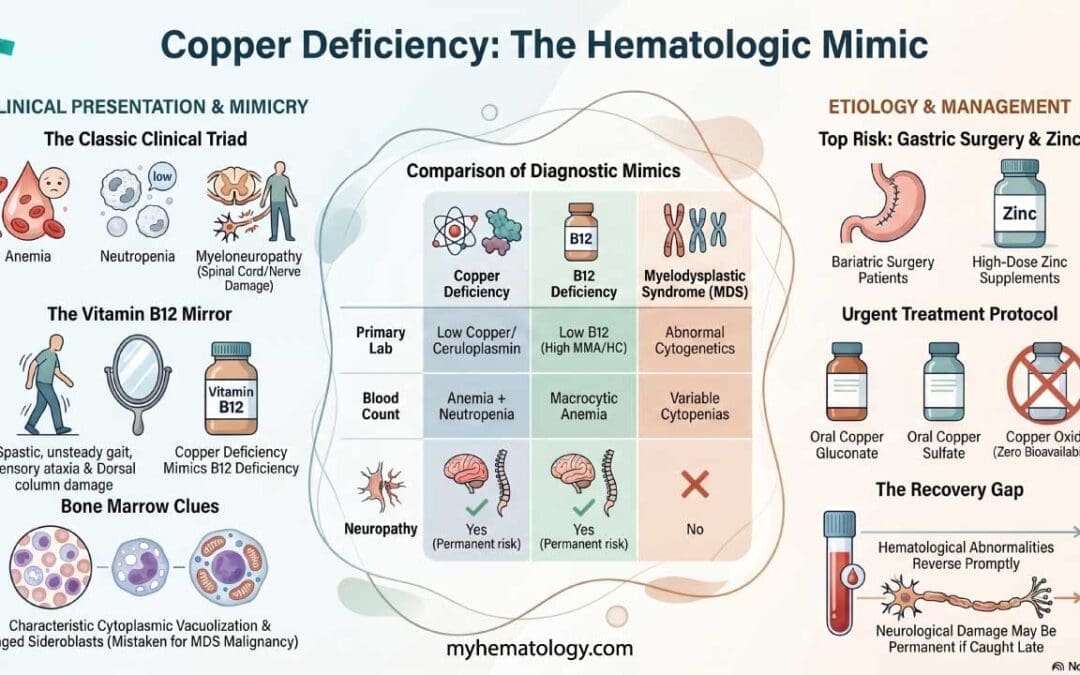
Key Takeaways Copper deficiency is an under-recognized cause of cytopenias and neurological disease, with the classic triad of anemia, neutropenia, and myeloneuropathy [1,3]. Causes ▾: The commonest causes are bariatric and upper gastrointestinal surgery,...
by MH Team | May 13, 2026 | White Blood Cells
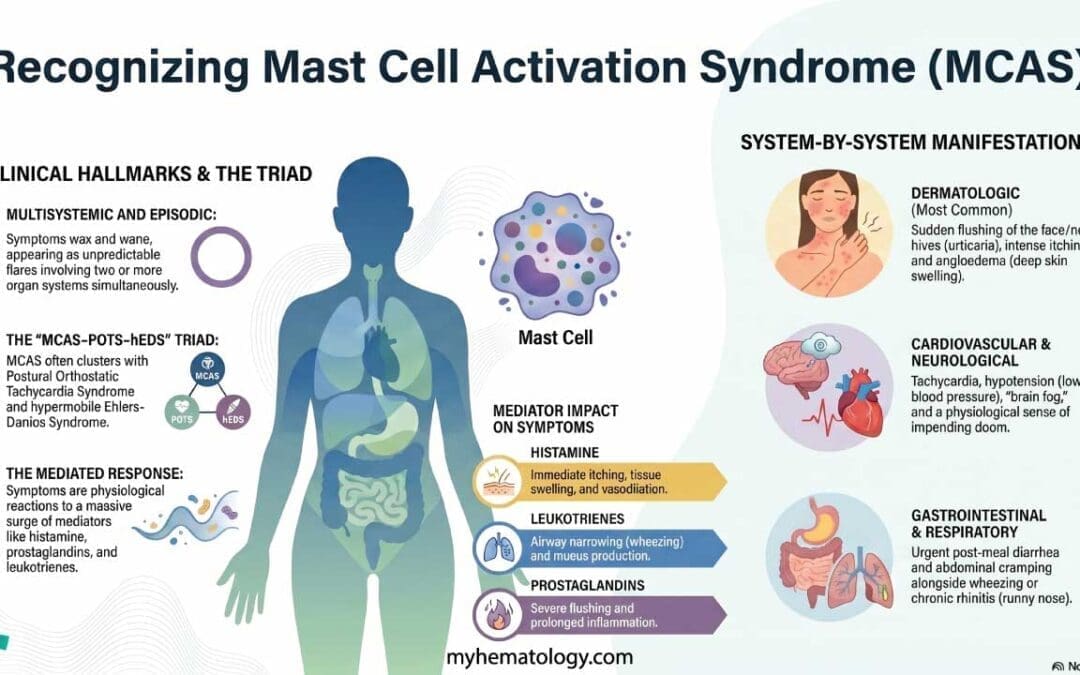
Key Takeaways Mast Cell Activation Syndrome or MCAS is a condition where a normal number of mast cells release their chemicals too easily, producing repeated symptoms across two or more organ systems. Pathophysiology and Classification ▾: MCAS involves a...
by MH Team | May 9, 2026 | White Blood Cells
Key Takeaways A mast cell is a long-lived immune cell that lives in tissues like the skin, gut, and lungs, where it acts as a first responder against pathogens and allergens by releasing histamine and other chemicals. Function ▾: Mast cells are best known for...
by MH Team | Apr 24, 2026 | White Blood Cells
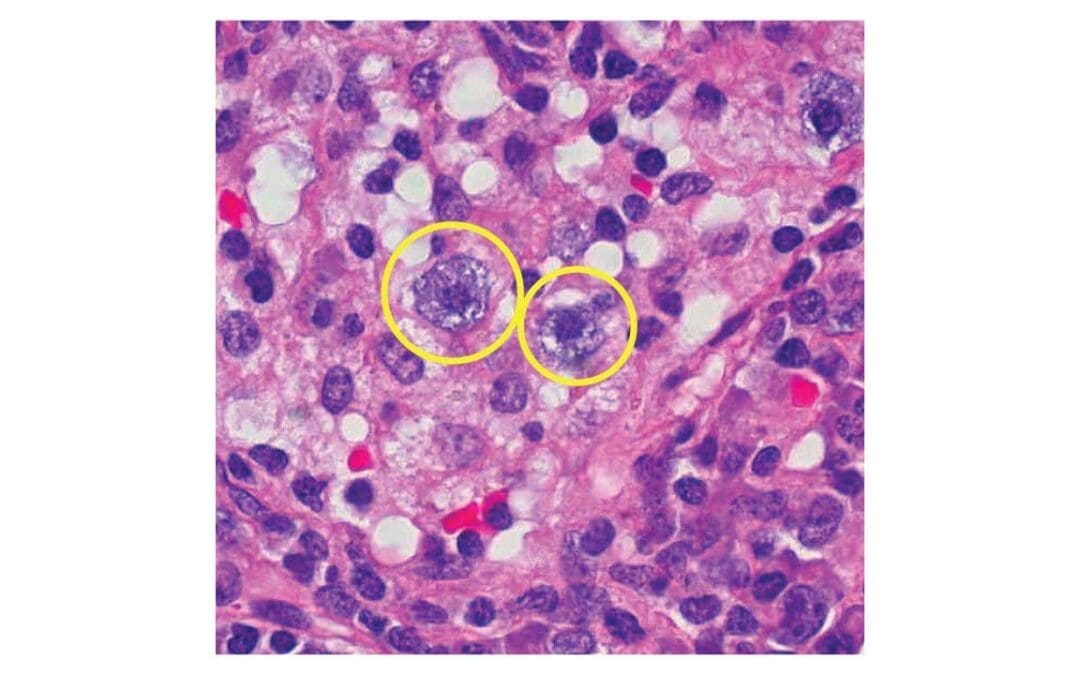
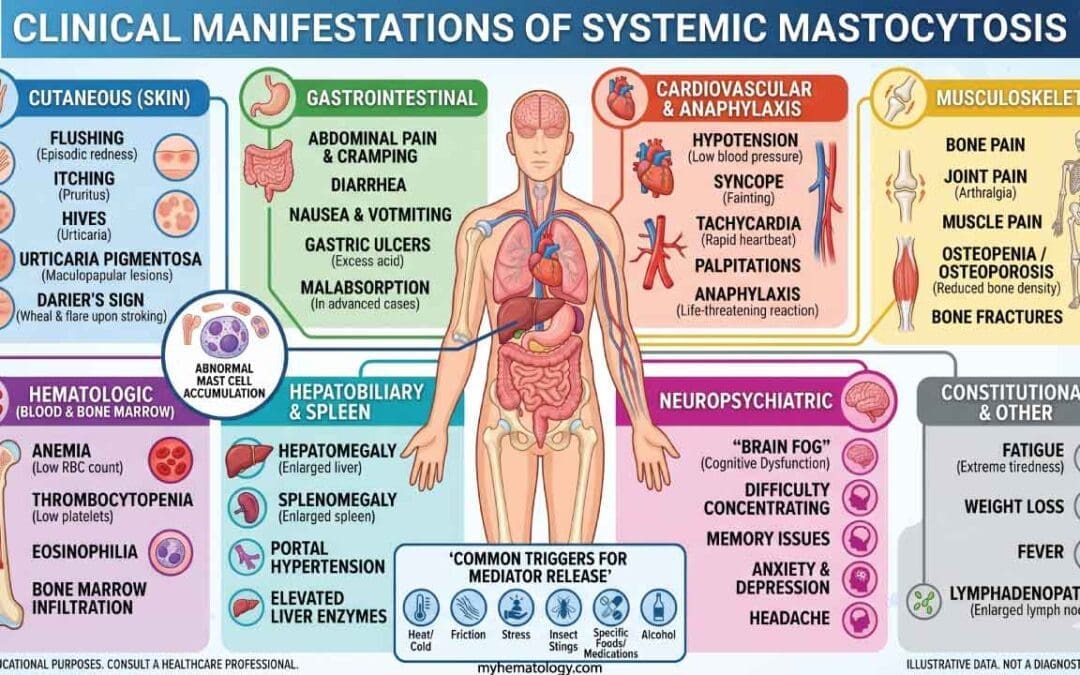
Key Takeaways Systemic Mastocytosis is a clonal myeloproliferative neoplasm characterized by the abnormal accumulation of neoplastic mast cells in extracutaneous organs, most commonly the bone marrow. Molecular Driver ▾: The KIT D816V somatic mutation is the...

Recent Comments