
by MH Team | Aug 2, 2025 | White Blood Cells
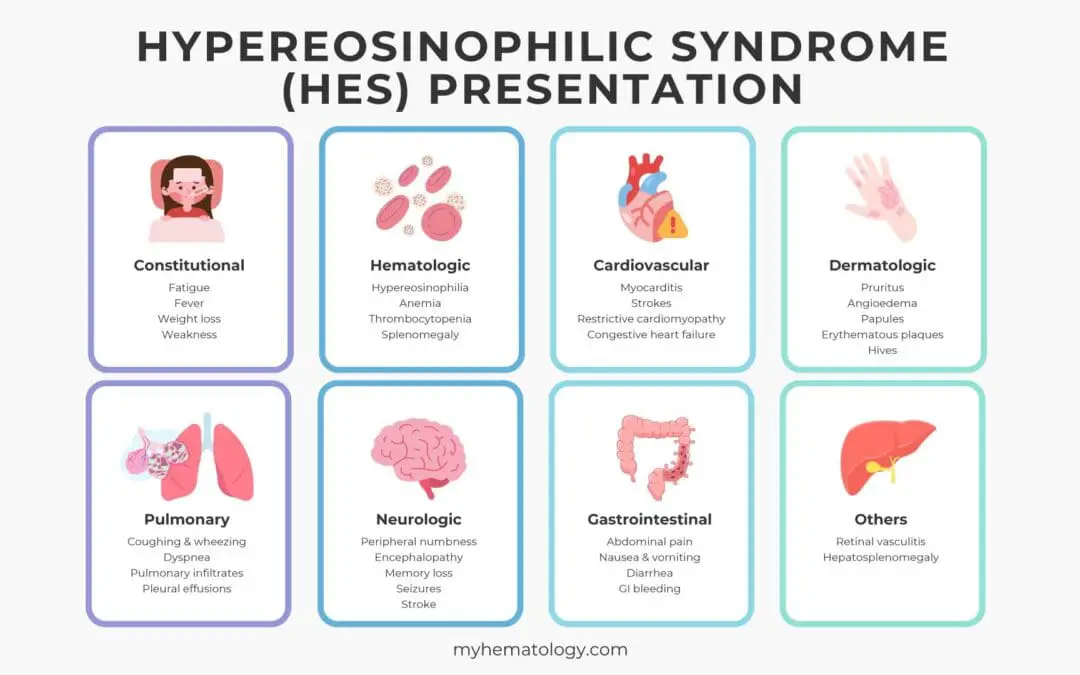
Key Takeaways Hypereosinophilic syndrome (HES) is a rare group of disorders characterized by persistently high blood eosinophils (≥1,500/μL), leading to inflammation and organ damage. Pathophysiology ▾: Caused by eosinophil overproduction and toxic...
by MH Team | Jul 29, 2025 | White Blood Cells
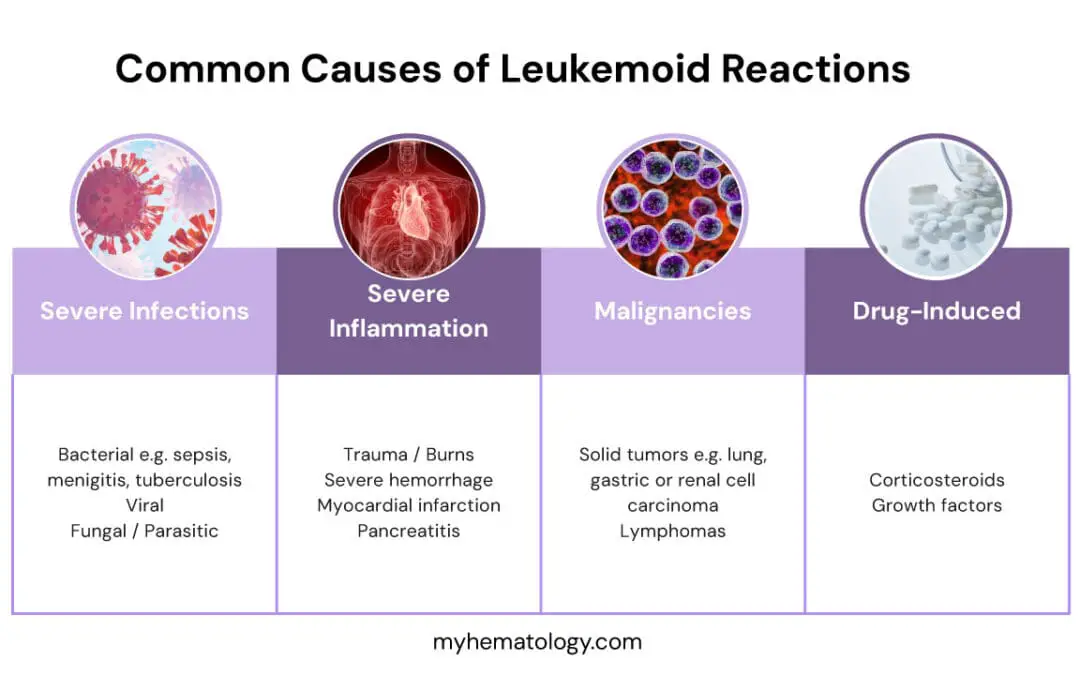
Key Takeaways A leukemoid reaction is a benign, reactive process characterized by a marked increase in white blood cells (leukocytosis, often >50,000/µL) with immature myeloid forms (left shift), but it is not a malignancy. Physiological Basis ▾: It...
by MH Team | Jun 13, 2025 | Red Blood Cells
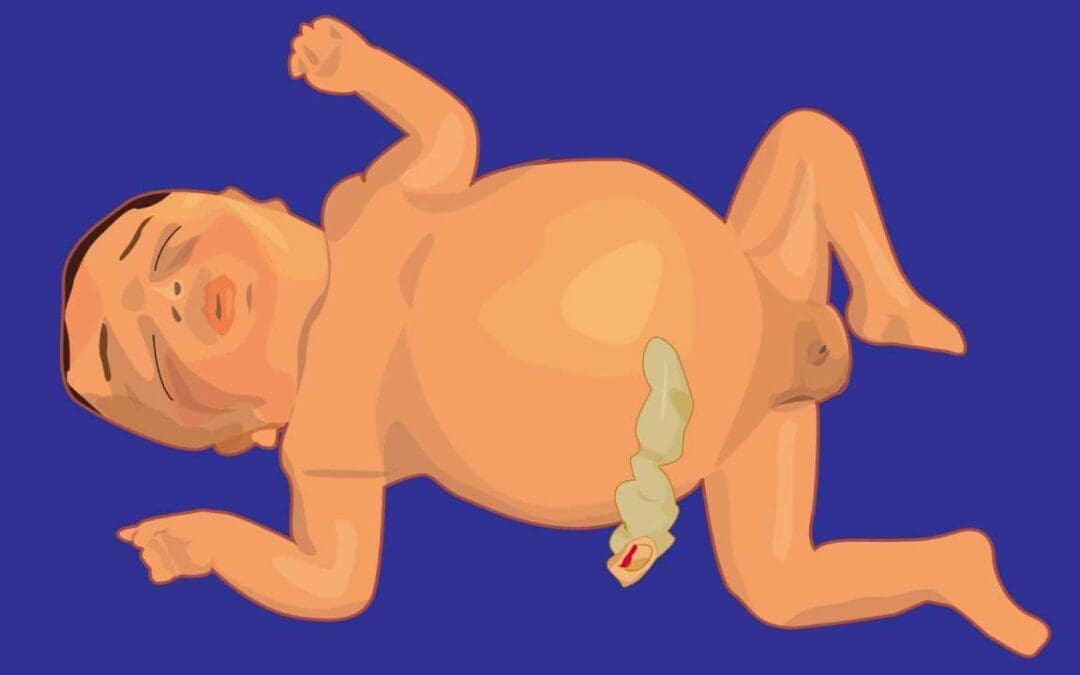
Key Takeaways Hydrops fetalis is excessive fluid accumulation in at least two fetal compartments (skin edema, pleural/pericardial effusion, ascites). Types: Immune (IHF, rare due to RhIG) and Non-Immune (NIHF, ~90% of cases). Pathophysiology ▾: Imbalance in...
by MH Team | Jun 10, 2025 | White Blood Cells
Key Takeaways Atypical lymphocytes are reactive, morphologically altered lymphocytes (mainly activated T cells) that appear in the peripheral blood. They indicate an active immune response, not necessarily malignancy. Common Causes ▾: The most frequent triggers...
by MH Team | Jun 9, 2025 | White Blood Cells
Key Takeaways Hypersensitivity is an exaggerated/inappropriate immune responses to innocuous antigens leading to tissue damage. Gell and Coombs system divides hypersensitivity reactions into four types (I, II, III, IV). Type I (Immediate (IgE-mediated)...



Recent Comments