
by MH Team | Apr 4, 2024 | White Blood Cells
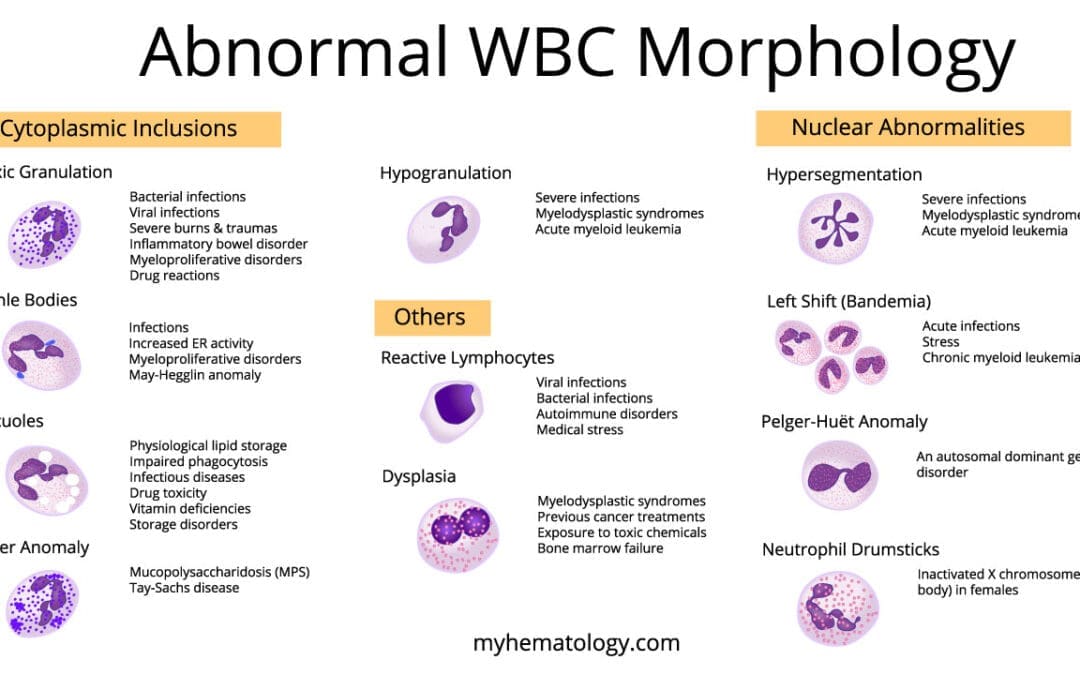
Key Takeaways The visual assessment of a peripheral blood smear allows for the identification of subtle structural and cytoplasmic changes in abnormal WBCs (white blood cells), or leukocytes, that can provide critical clues about underlying pathologies. Abnormality...
by MH Team | Mar 28, 2024 | Red Blood Cells
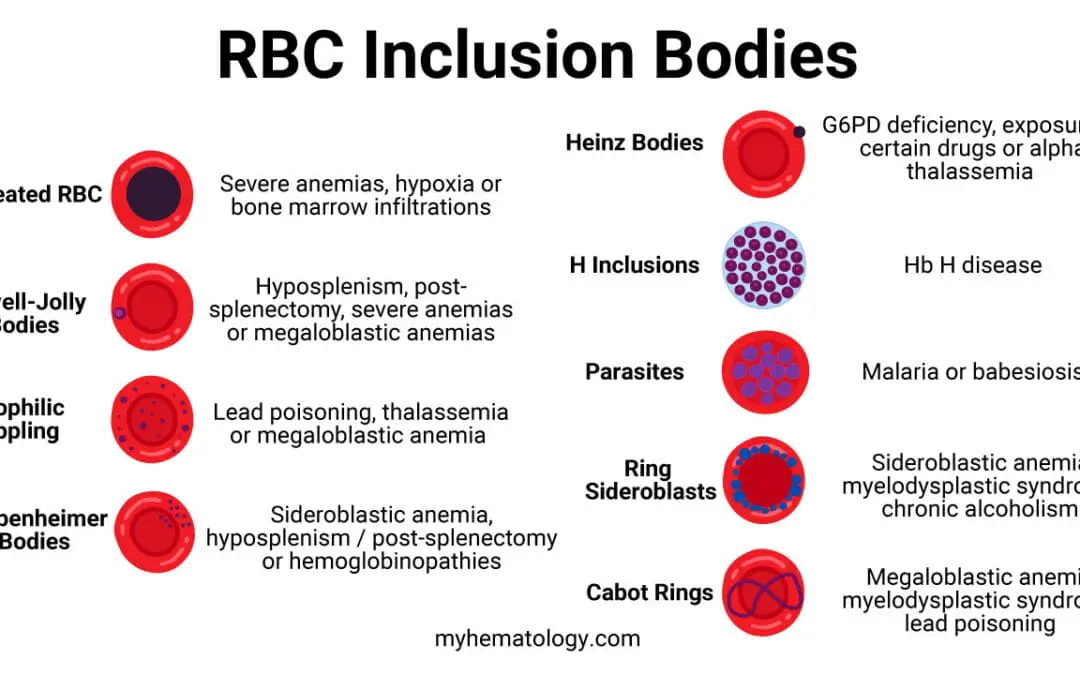
Key Takeaways Red blood cell inclusion bodies are abnormal aggregates of material within the cytoplasm of red blood cells, which are visible under a microscope and are indicative of various underlying diseases or conditions. Certainly. Here is an updated and expanded...
by MH Team | Mar 25, 2024 | Red Blood Cells
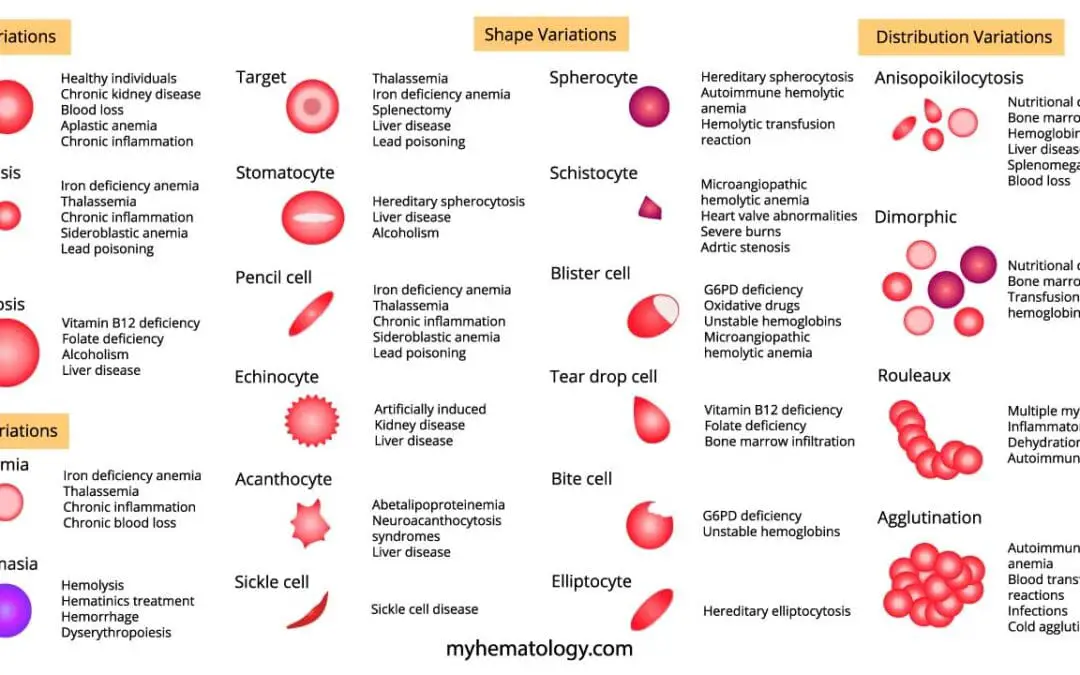
Key Takeaways Red blood cell morphology describes the size, shape, and color of red blood cells on a peripheral blood smear, and any deviation from the normal biconcave disc serves as a clinical clue to an underlying disease. Common abnormal red blood cell...
by MH Team | Mar 21, 2024 | White Blood Cells
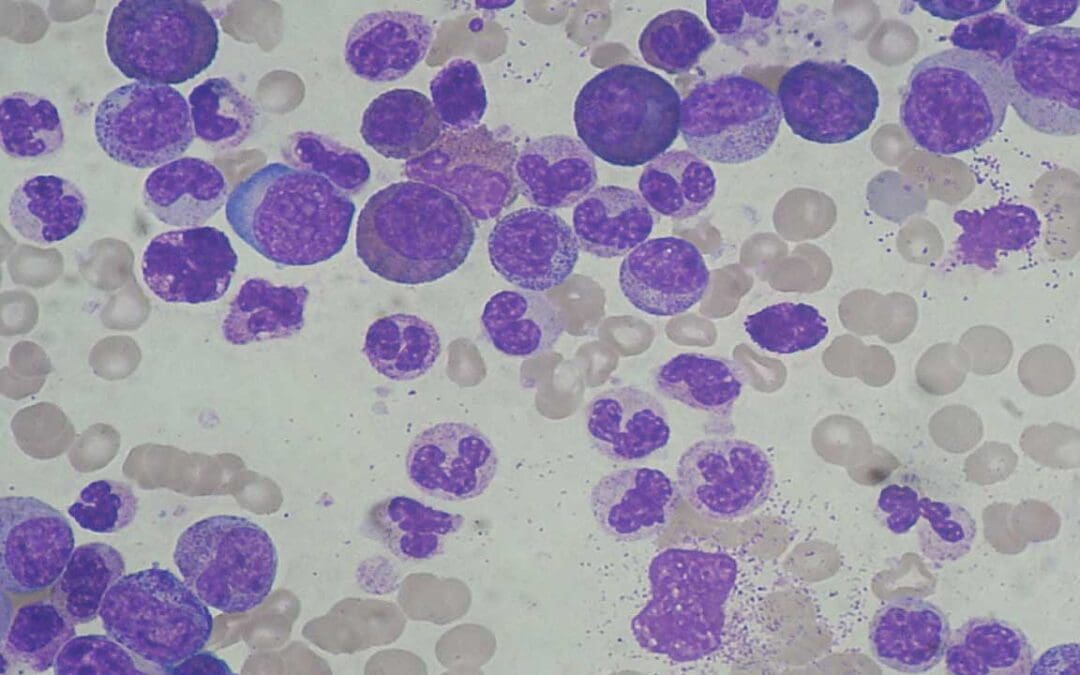
Key Takeaways Leukocytosis is an increase in white blood cell (WBC) count above the reference range. Significance ▾: Not a disease itself, but a marker of underlying infection, inflammation, or blood cancers. Causes ▾: Infections: Bacteria, viruses,...
by MH Team | Mar 19, 2024 | Red Blood Cells
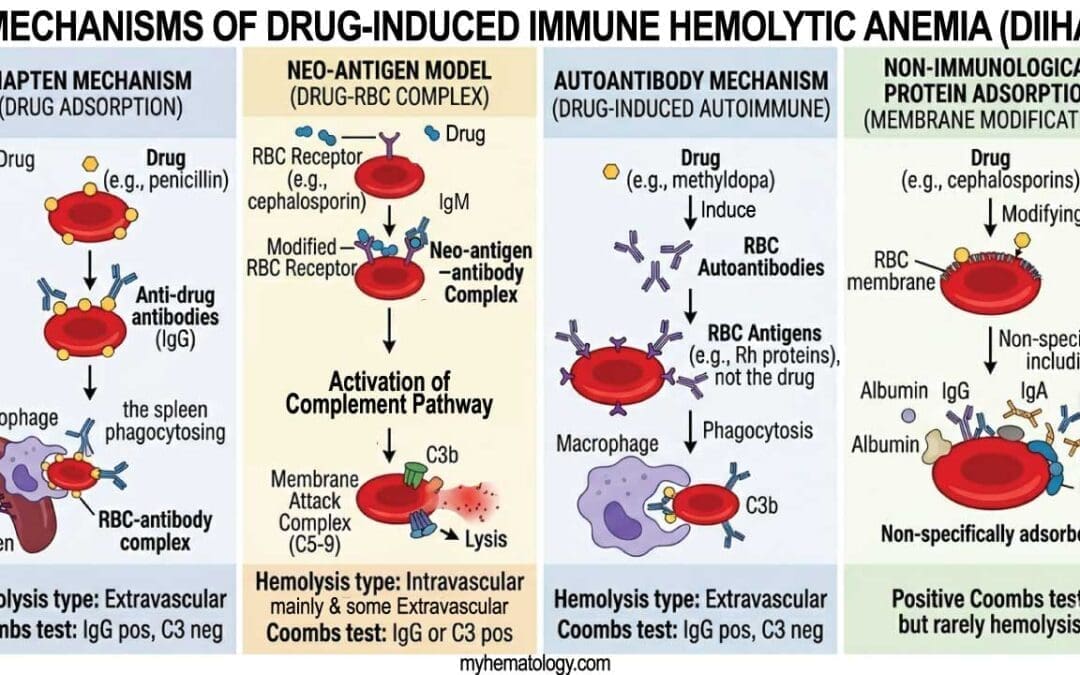
Key Takeaways Drug-induced immune hemolytic anemia are caused by drugs that trigger an immune response to attack red blood cells (RBCs), leading to hemolytic anemia. Mechanism ▾: Drug-Induced Immune Hemolytic Anemia occurs when a drug triggers an immune...

Recent Comments