
by MH Team | Feb 11, 2024 | Commentaries, general
What is hemato-oncology (blood cancer)? Hemato-oncology specifically combines areas of hematology and oncology to diagnose and manage cancers that develop in the blood cells, bone marrow, lymph nodes, and other blood-related organs. Hemato-oncology is a fascinating...
by MH Team | Feb 11, 2024 | Commentaries, general
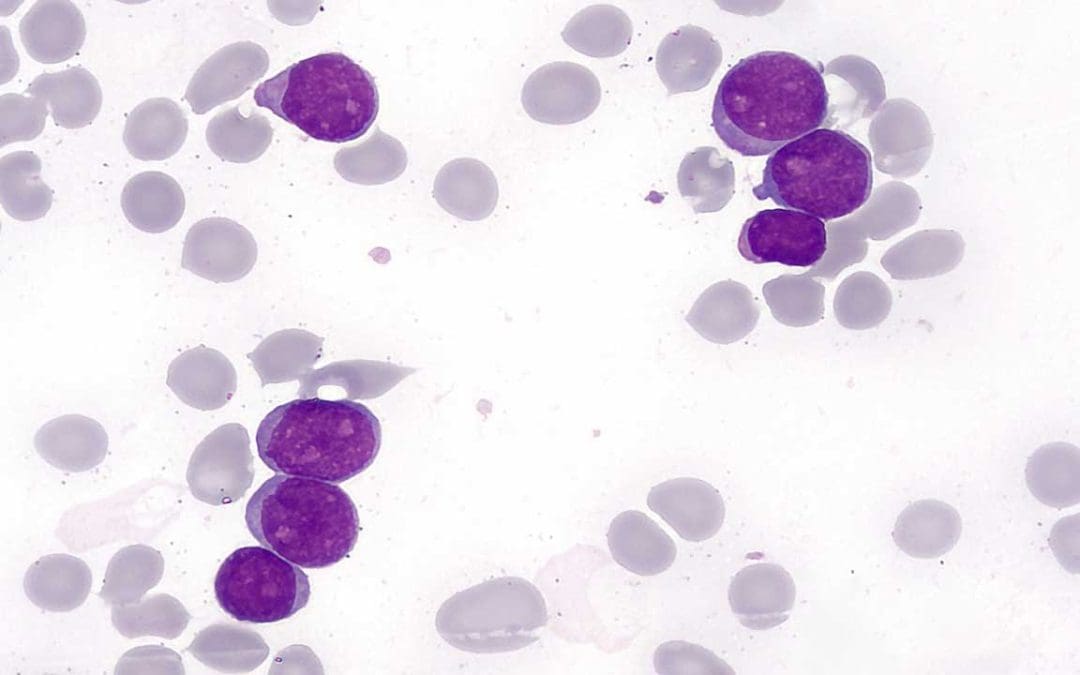
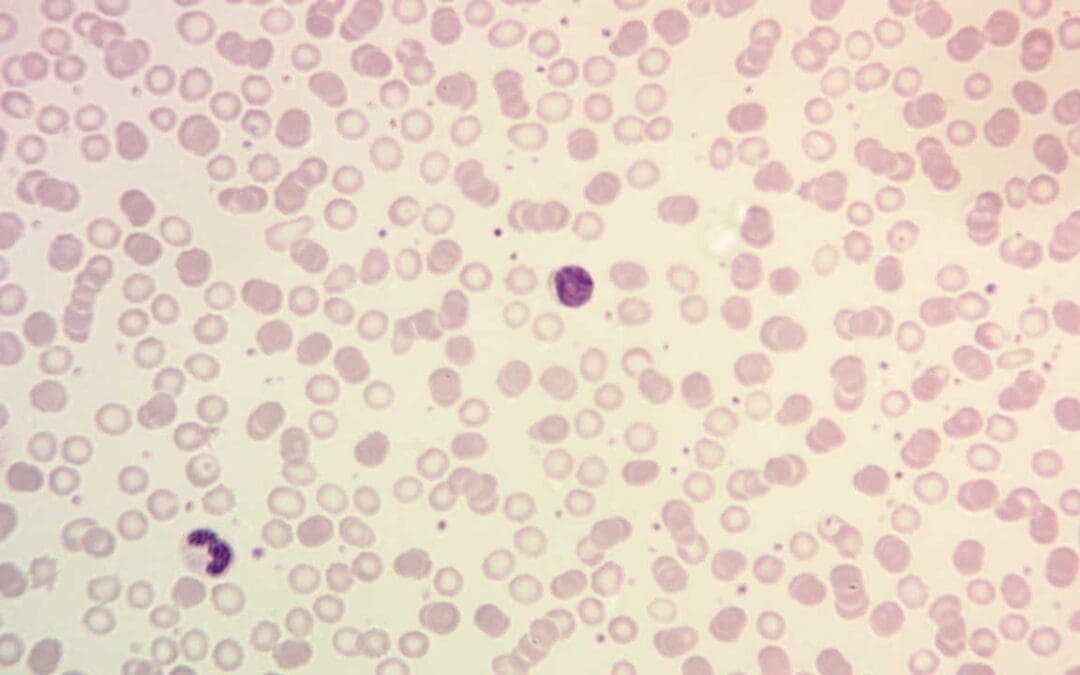
What is hematopathology? Hemato-what? Ah, hematopathology! This exciting field bridges the gap between these two specialties. It combines the expertise of both hematology and pathology, focusing specifically on diseases and disorders affecting: Blood cells: Their...
by MH Team | Feb 10, 2024 | Lab Protocols, White Blood Cells
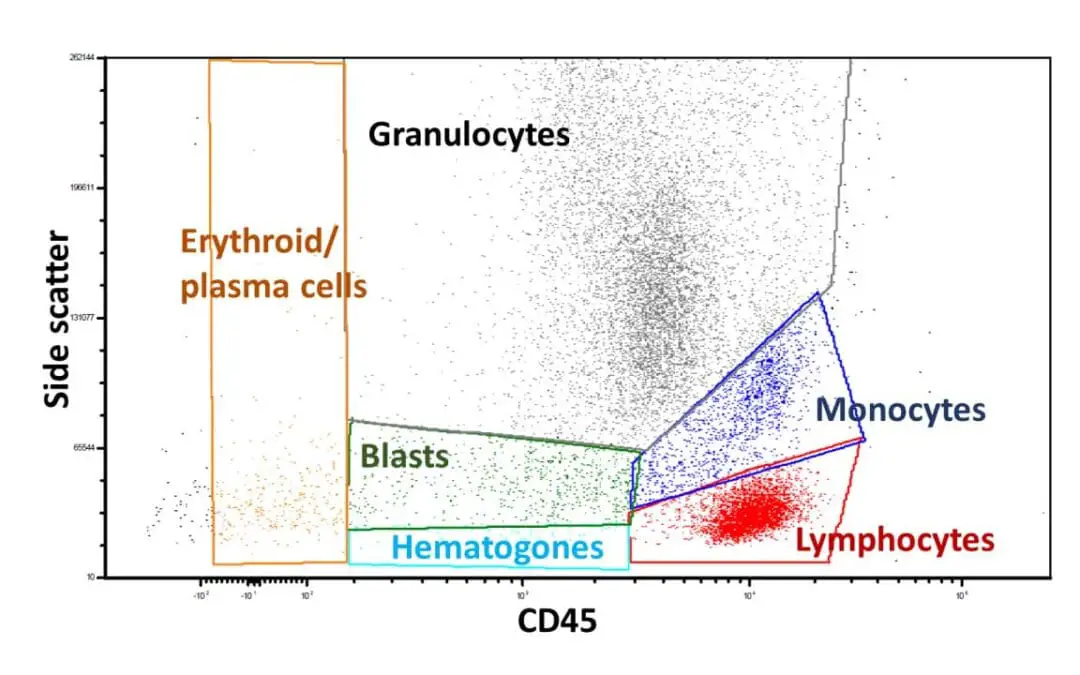
Procedure-At-A-Glance Sample Collection: Obtain whole blood in EDTA or Heparin anticoagulated tubes. Cell Preparation: Isolate PBMCs using density gradient centrifugation or utilize a standard red blood cell (RBC) lysis method. Washing: Wash cells with flow cytometry...
by MH Team | Feb 1, 2024 | Lab Protocols
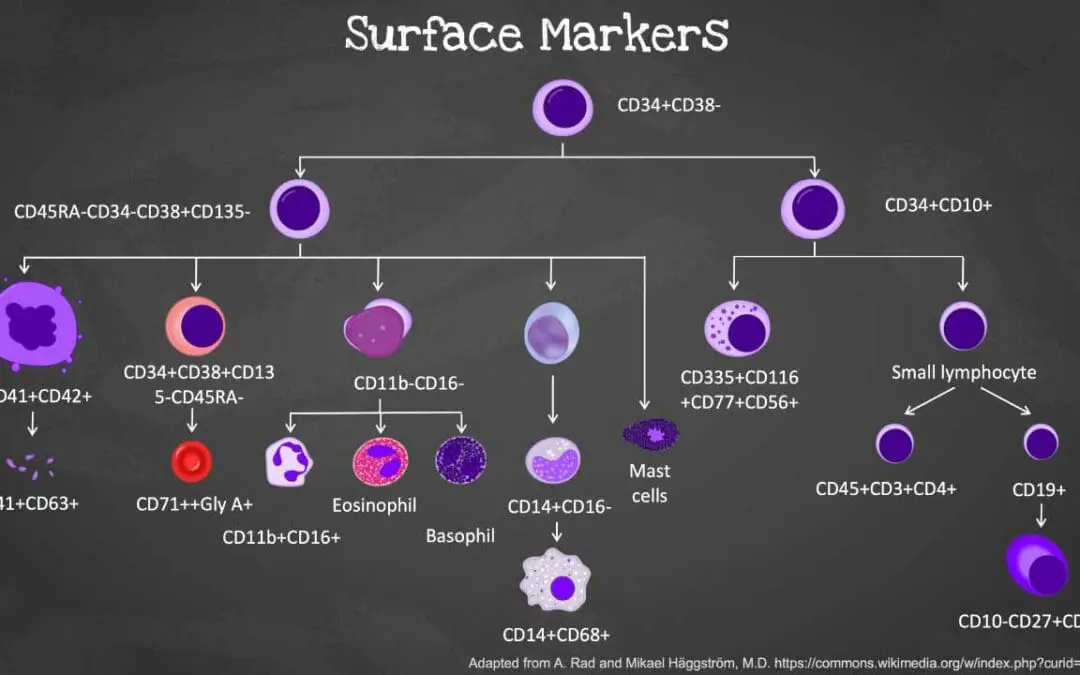
Key Takeaways Cell surface markers are indispensable in hematology, acting as unique “fingerprints” that allow for the precise identification, classification, and functional understanding of various blood cell types. For example, CD34 is a pivotal marker...
by MH Team | Jan 29, 2024 | Commentaries, general
What is hematology? Hematology is the branch of medicine dedicated to the study of blood, blood-forming organs, and blood-related disorders. This encompasses a vast spectrum, from understanding the composition and function of blood cells to diagnosing and managing...

Recent Comments