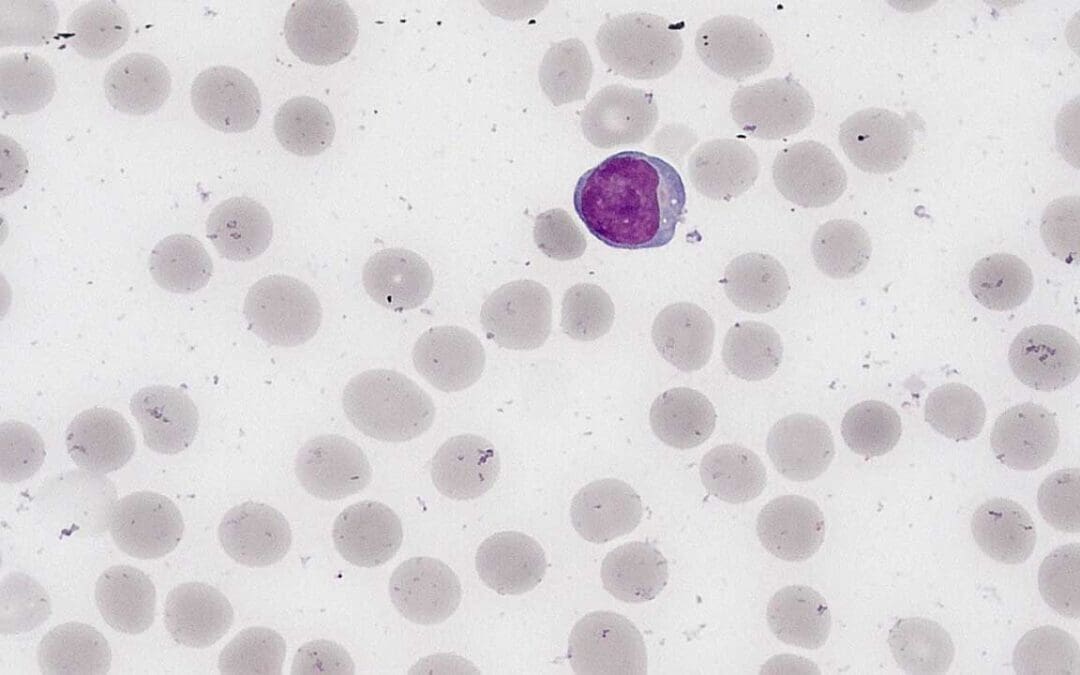
by MyH Editorial Team | Sep 10, 2024 | White Blood Cells
Key Takeaways Lymphocytes are a type of white blood cell crucial for adaptive immunity. Three main types ▾: B cells, T cells, and natural killer (NK) cells. Functions ▾: B cells: Produce antibodies to fight infections. T cells: Directly attack infected...

by MyH Editorial Team | Sep 1, 2024 | Hemostasis Disorders
Key Takeaways Ehlers-Danlos Syndrome (EDS) is a group of genetic connective tissue disorders characterized by: Joint hypermobility: Excessive range of motion in joints, leading to pain, instability, and dislocations. Skin hyperextensibility: Skin that can be stretched...

by MyH Editorial Team | Aug 26, 2024 | Hemostasis Disorders
Key Takeaways Embolus or embolism is a moving blood clot or foreign object that travels through the bloodstream. When it lodges in a blood vessel, it can block blood flow and cause serious complications. Origin ▾: Often originates from a blood clot (thrombus)...
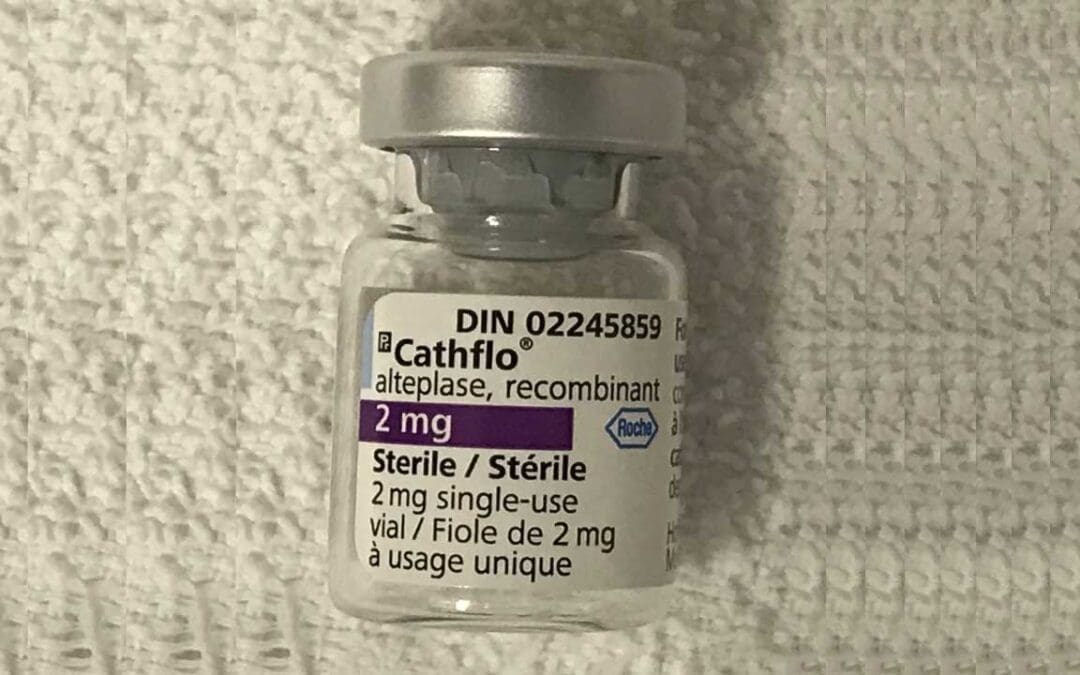
by MyH Editorial Team | Aug 19, 2024 | Hemostasis Disorders
Key Takeaways What is tissue plasminogen activator (tPA)? ▾ Tissue plasminogen activator (tPA) is a drug used to dissolve blood clots. How does it work? ▾ Works by activating plasminogen, which breaks down fibrin in clots. Medical...

by MyH Editorial Team | Aug 14, 2024 | Red Blood Cells
Key Takeaways Thalassemia is a group of inherited blood disorders characterized by the reduced or absent production of hemoglobin, the protein in red blood cells that carries oxygen. Pathogenesis ▾ Caused by genetic mutations affecting globin chain production...

Recent Comments