
by MyH Editorial Team | Jul 4, 2024 | Lab Protocols, Red Blood Cells
Introduction Blood film examination remains a cornerstone tool in diagnosing parasitic infections. These microscopic evaluations provide a window into the hidden world of parasites that can invade red blood cells (RBCs) and other components of the bloodstream. It...

by MyH Editorial Team | Jul 2, 2024 | Lab Protocols, Red Blood Cells
Key Takeaways Iron studies interpretation uses serum iron, ferritin, transferrin or TIBC, and transferrin saturation together to map the body’s iron status — never read one number alone [1,2]. Ferritin below 30 µg/L strongly suggests iron...

by MyH Editorial Team | Jun 27, 2024 | Red Blood Cells
Key Takeaways Folate deficiency is a lack of vitamin B9, a nutrient the body needs to make DNA, divide cells, and produce healthy red blood cells [1]. Symptoms ▾: The classic clinical picture is a megaloblastic anemia with fatigue, pale skin, glossitis (a sore...
by MyH Editorial Team | Jun 24, 2024 | Red Blood Cells
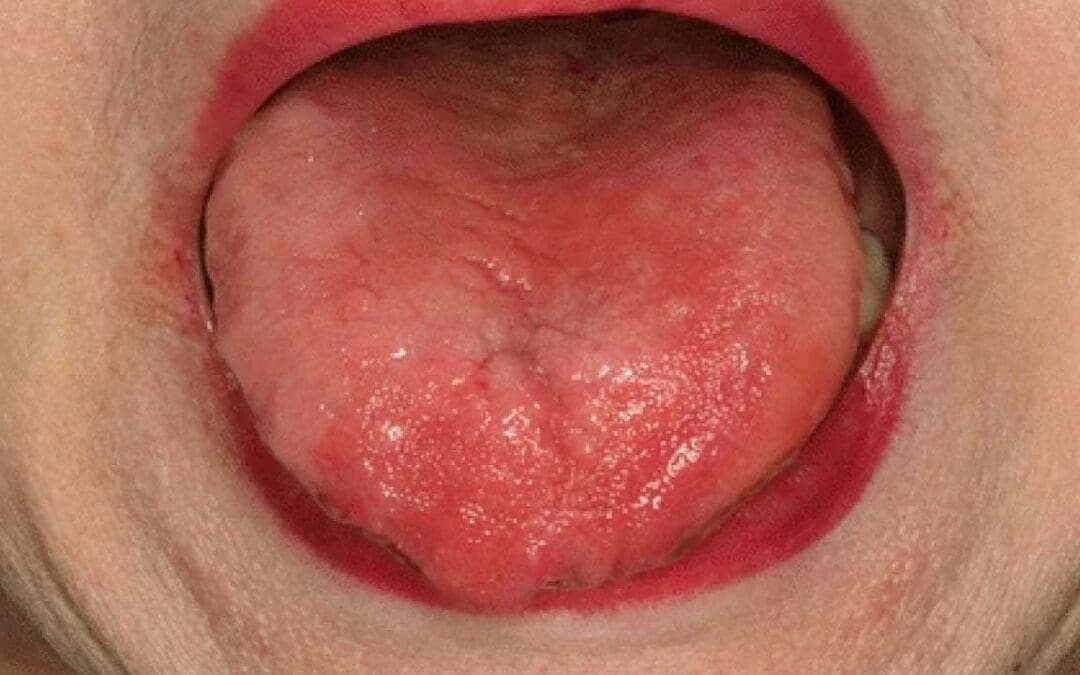
Key Takeaways Pernicious anemia is an autoimmune disease in which the immune system destroys the stomach’s parietal cells, blocking the production of intrinsic factor and causing vitamin B12 deficiency. Symptoms ▾: Typical features include macrocytic...

by MyH Editorial Team | Jun 22, 2024 | Red Blood Cells
Key Takeaways B12 deficiency is a lack of vitamin B12 (cobalamin) severe enough to disrupt DNA synthesis, red blood cell production, or nerve function. It causes megaloblastic anemia and, if untreated, lasting neurological damage [1,6]. Causes ▾: The two main...

Recent Comments