
by MyH Editorial Team | Oct 14, 2024 | Red Blood Cells
Key Takeaways Jaundice is a condition characterized by a yellowish discoloration of the skin, eyes, and mucous membranes. It occurs when there is an excessive buildup of bilirubin (hyperbilirubinemia), a yellow pigment produced by the breakdown of red blood cells, in...

by MyH Editorial Team | Oct 7, 2024 | White Blood Cells
Key Takeaways A macrophage is a specialized white blood cell that play a crucial role in the immune system. They are known as “garbage collectors” because they engulf and digest foreign particles, such as bacteria, viruses, and cellular debris. Key...
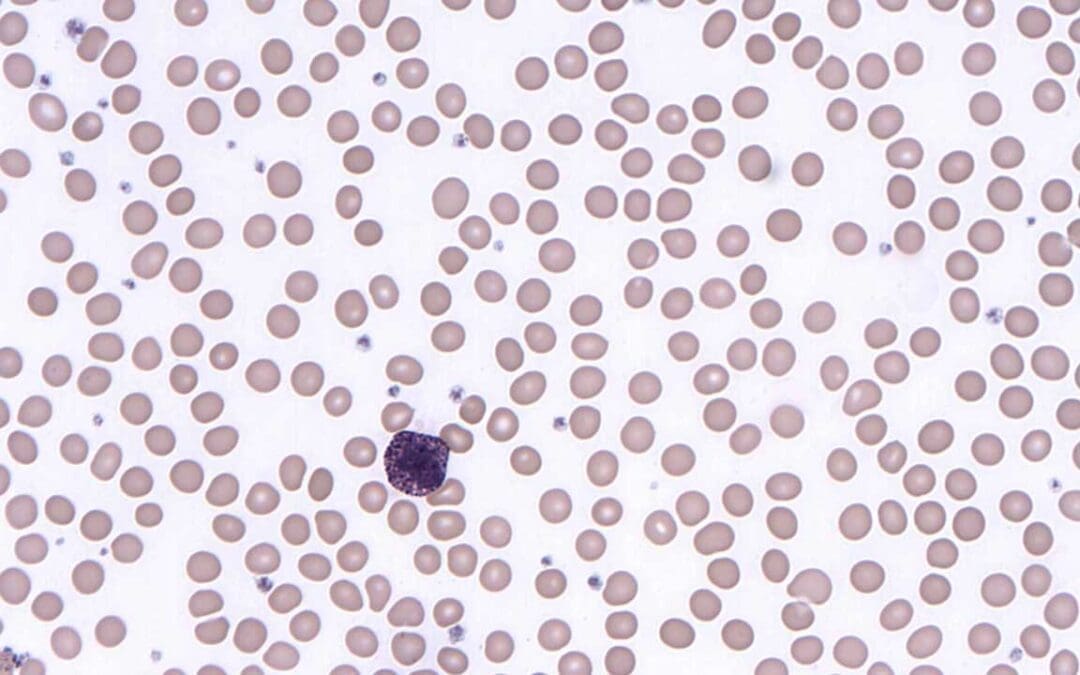
by MyH Editorial Team | Sep 29, 2024 | White Blood Cells
Key Takeaways Granulocytes: Basophils are a type of granulocyte, a group of white blood cells characterized by their large granules. Function ▾: Allergic reactions: They play a crucial role in allergic reactions (type I hypersensitivity) by releasing...

by MyH Editorial Team | Sep 24, 2024 | White Blood Cells
Key Takeaways Eosinophils are white blood cells that play a crucial role in the immune system. They are characterized by their distinctive bilobed nucleus and large, eosinophilic granules. Functions ▾ Combating parasitic infections: Eosinophils release toxic...
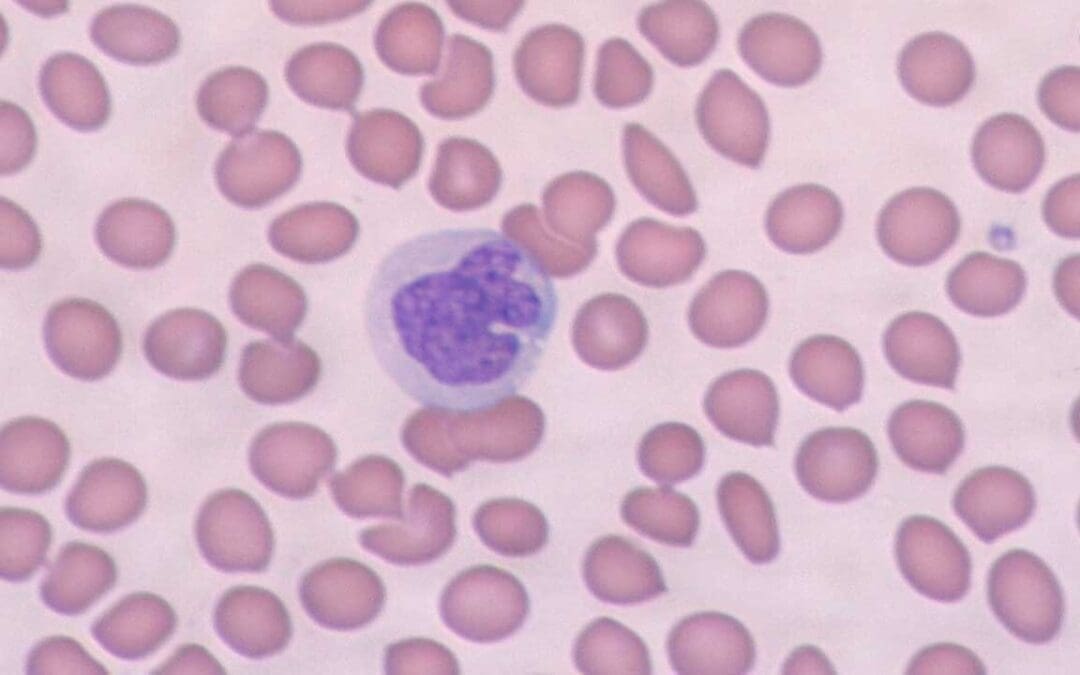
by MyH Editorial Team | Sep 16, 2024 | White Blood Cells
Key Takeaways Monocytes are a type of white blood cell that play a crucial role in the immune system. Here are the key points: Function ▾: Monocytes are responsible for phagocytosis (engulfing and destroying foreign particles), antigen presentation, and...

Recent Comments