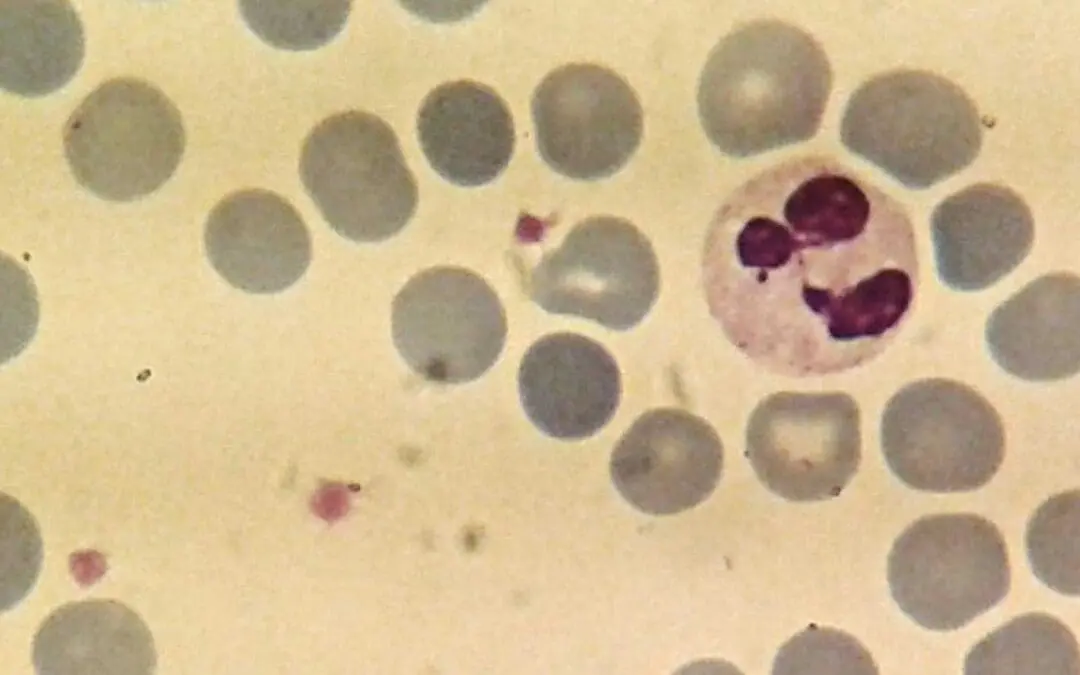
by MyH Editorial Team | Aug 5, 2024 | White Blood Cells
Key Takeaways Neutrophils are the most abundant white blood cells in the human body, making up roughly 50–70% of circulating leukocytes, and they form the front line of defense against bacterial and fungal infections. Function ▾: Neutrophils kill...
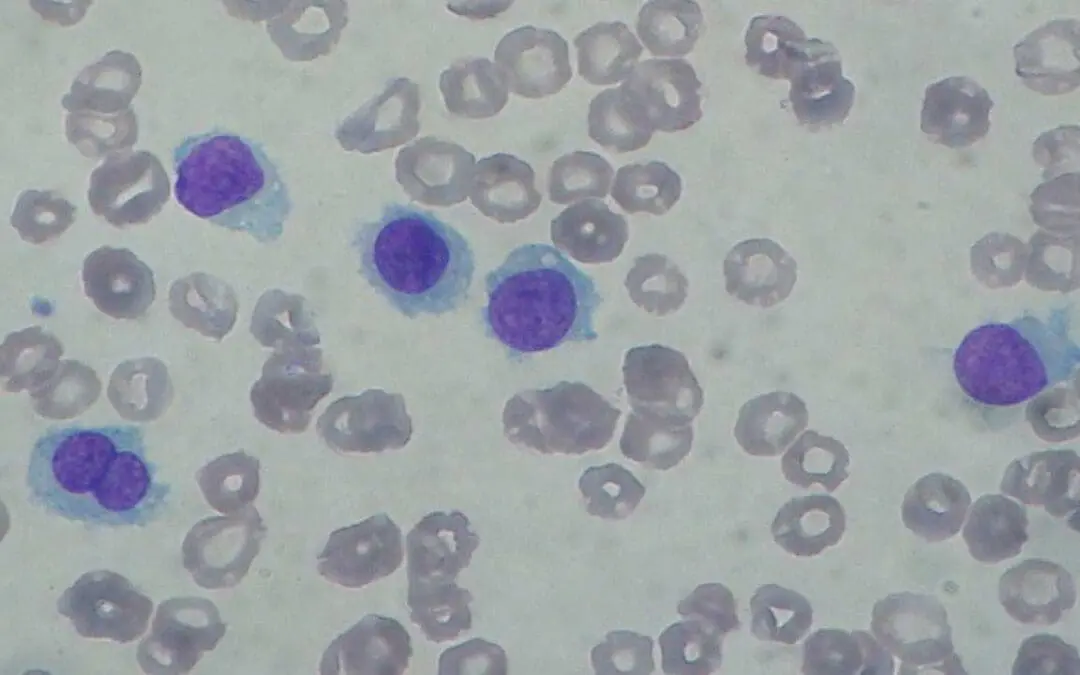
by MyH Editorial Team | Jul 25, 2024 | White Blood Cells
Key Takeaways Hairy cell leukemia is a rare, slow-growing B-cell blood cancer in which abnormal lymphocytes with fine surface projections build up in the bone marrow, spleen, and liver, often causing pancytopenia (a drop in red cells, white cells, and platelets)....
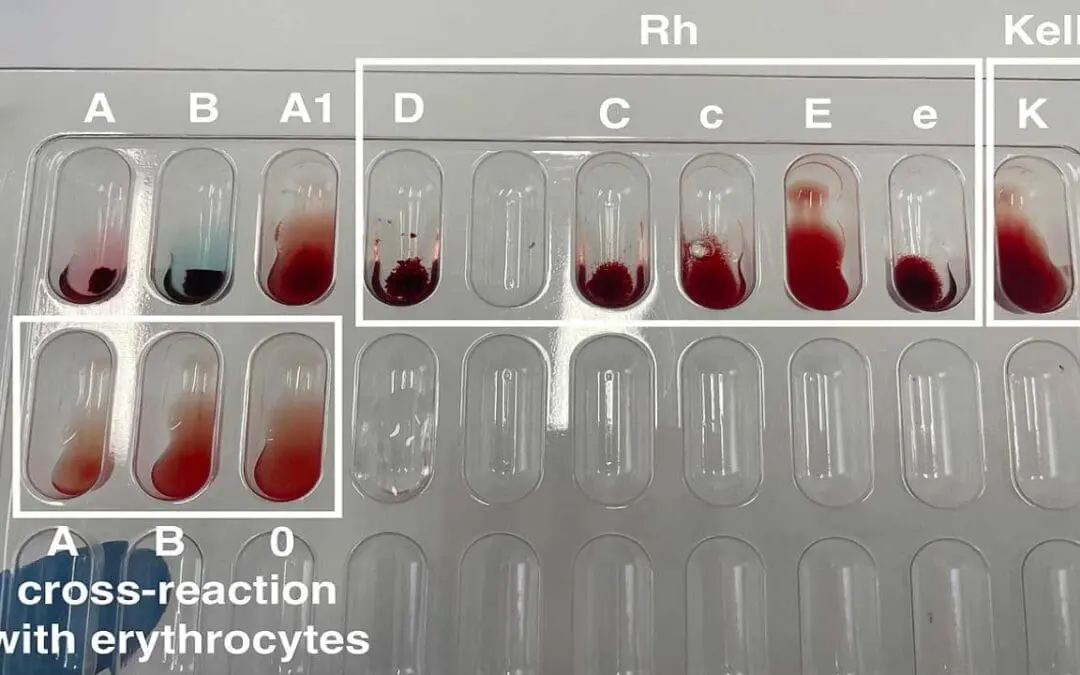
by MyH Editorial Team | Jul 22, 2024 | Transfusion Medicine
Key Takeaways The Rh blood group system classifies red blood cells by the presence or absence of certain surface proteins called antigens. The D antigen is by far the most clinically important. Rh-Positive vs. Rh-Negative ▾: A person is RhD-positive if their...
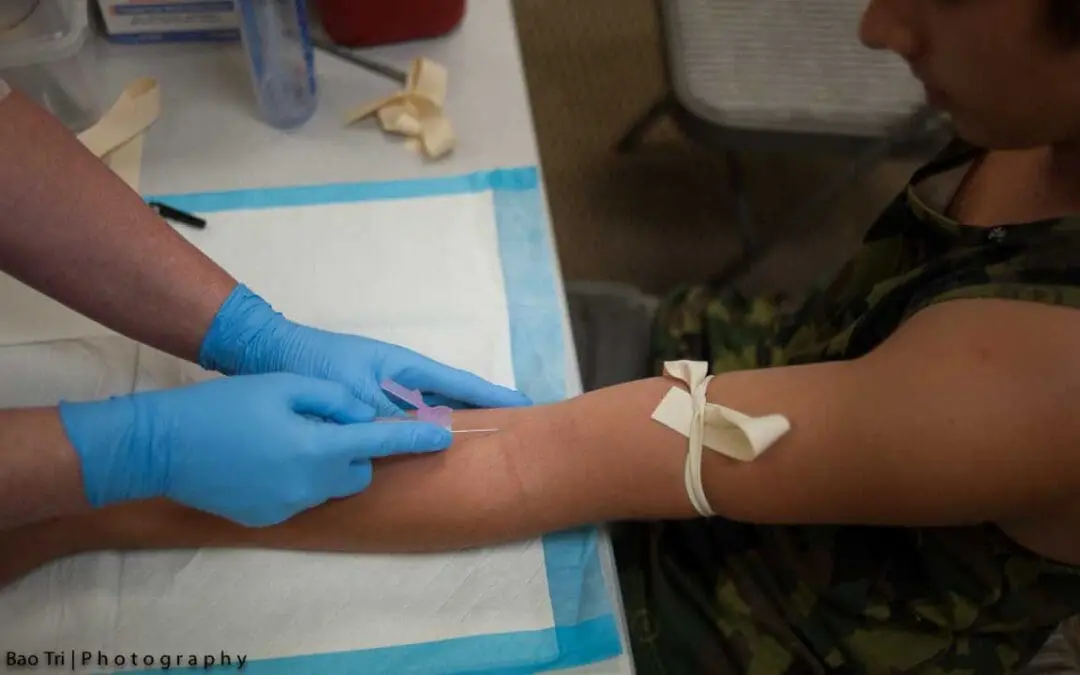
by MyH Editorial Team | Jul 19, 2024 | Lab Protocols
Key Takeaways Phlebotomy is the practice of drawing blood for diagnostic testing, transfusion, or therapy. Venipuncture, the puncture of a vein with a needle, is its most common technique [1]. Gather all supplies, review the lab order, and confirm the patient’s...
by MyH Editorial Team | Jul 14, 2024 | Red Blood Cells
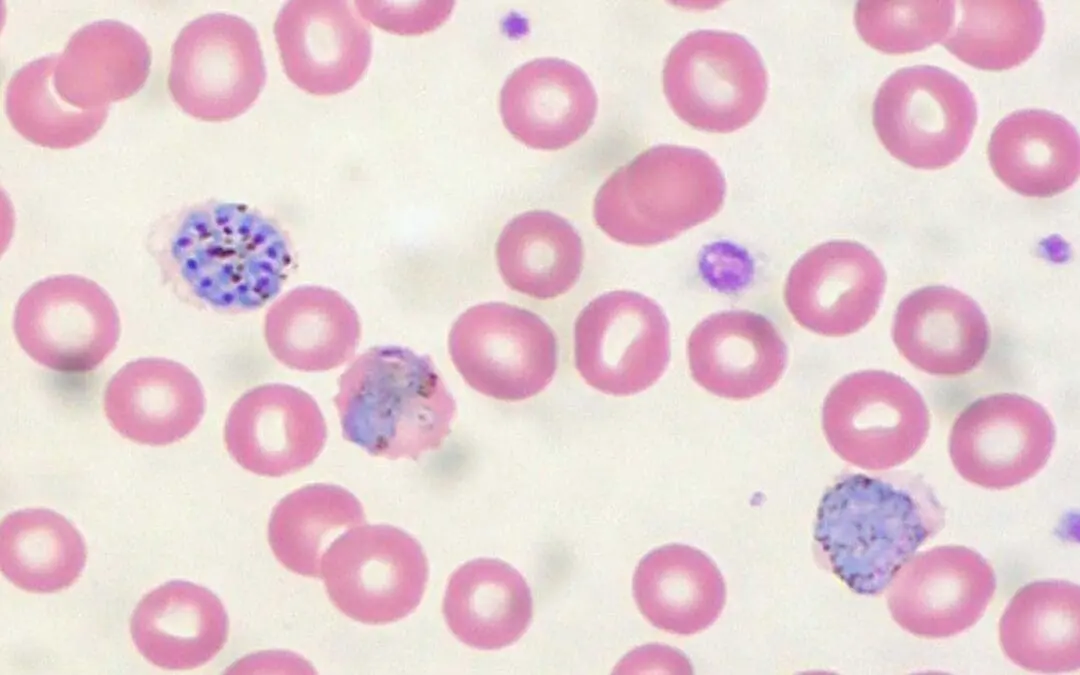
Key Takeaways Severe malarial anemia is the most common life-threatening complication of malaria, defined by hemoglobin below 5 g/dL or hematocrit below 15% in children under 12, and below 7 g/dL (hematocrit below 20%) in adults [2]. Mechanism ▾: The condition...

Recent Comments