
by MyH Editorial Team | Jun 19, 2024 | Lab Protocols
Key Takeaways A blood tube is an evacuated (vacuum-sealed) container with a color-coded stopper also known as a vacutainer. The color tells you what additive is inside and what tests the tube is for. The most common blood tube colors are light blue (citrate, for...
by MyH Editorial Team | Jun 12, 2024 | Lab Protocols, Transfusion Medicine
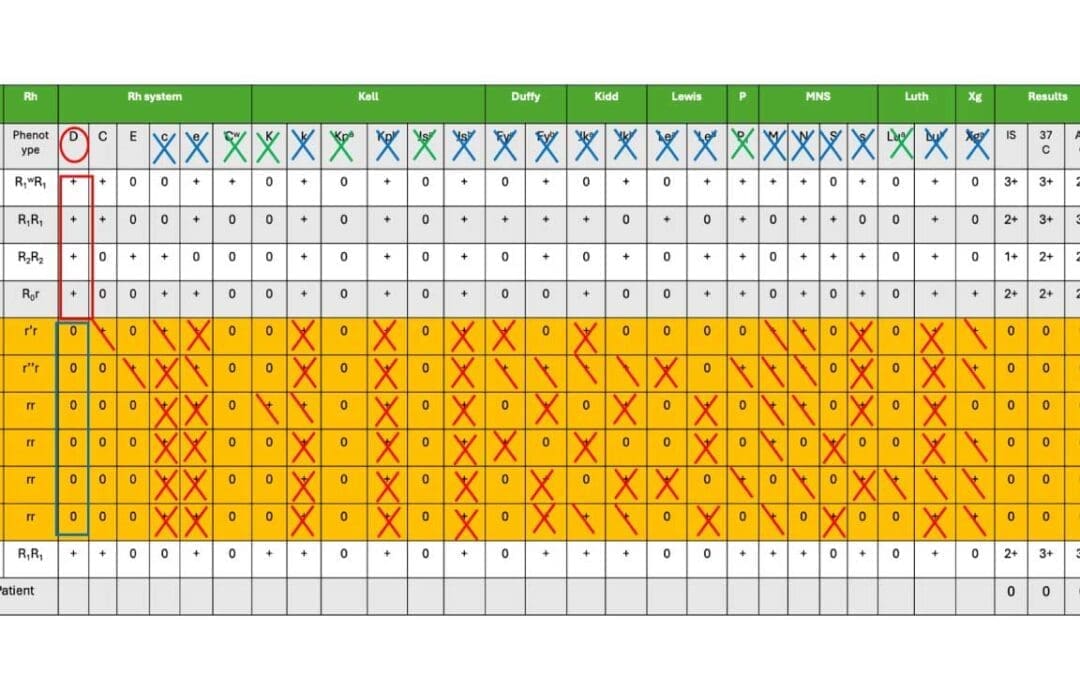
Introduction Blood transfusions are life-saving medical procedures, but incompatible blood types can lead to severe and potentially fatal reactions. To ensure safety, we rely on a meticulous process of antibody identification, and a key tool in this process is the...

by MyH Editorial Team | Jun 10, 2024 | White Blood Cells
Key Takeaways Non-Hodgkin Lymphoma (NHL) or previously known as Non-Hodgkin’s Lymphoma is a cancer of the lymphatic system, which is part of the immune system. It arises from lymphocytes that become abnormal and grow uncontrollably causing Non-Hodgkin Lymphoma...

by MyH Editorial Team | Jun 5, 2024 | Lab Protocols, Transfusion Medicine
Protocol-at-a-Glance Antibody identification is the lab procedure that determines which red cell antibody is present in a patient’s plasma after antibody screening detects one. It is a core step in safe pre-transfusion testing [1,2]. A standard antibody...

by MyH Editorial Team | May 31, 2024 | Lab Protocols, Transfusion Medicine
Protocol-at-a-Glance Antibody screening is a pre-transfusion test that detects unexpected red blood cell antibodies in a patient’s plasma. It protects against hemolytic transfusion reactions and guides safe blood selection [1,2]. Label tubes: one per screening...

Recent Comments