
by MyH Editorial Team | Sep 8, 2025 | Red Blood Cells
Key Takeaways Dyskeratosis congenita is a rare, inherited bone marrow failure syndrome caused by defects in telomere maintenance. This leads to abnormally short telomeres and premature cellular aging, primarily affecting rapidly dividing cells. Key Clinical...

by MyH Editorial Team | Sep 5, 2025 | White Blood Cells
Key Takeaways Chediak-Higashi syndrome is a rare, autosomal recessive genetic disorder characterized by defects in lysosomal trafficking. Cause: A mutation in the LYST gene. Pathophysiology ▾: The LYST gene defect leads to the formation of abnormally large,...

by MyH Editorial Team | Sep 1, 2025 | Red Blood Cells
Key Takeaways Diamond-Blackfan Anemia or DBA is a rare, congenital blood disorder where the bone marrow fails to produce red blood cells. It is also known as congenital hypoplastic anemia. Causes ▾: The core cause is a defect in ribosome biogenesis, primarily...
by MyH Editorial Team | Aug 26, 2025 | White Blood Cells
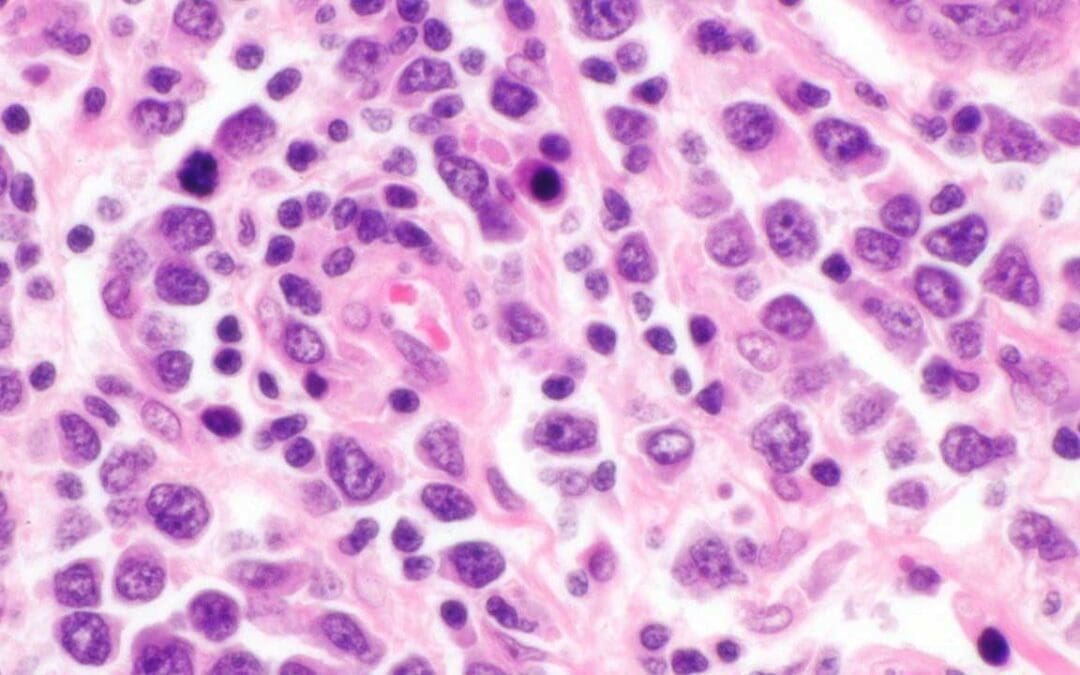
Key Takeaways Diffuse large B-cell lymphoma (DLBCL) is the most common and aggressive type of non-Hodgkin lymphoma, a fast-growing cancer of B-lymphocytes. Epidemiology ▾: It is the most common non-Hodgkin lymphoma worldwide, with incidence increasing with age....
by MyH Editorial Team | Aug 17, 2025 | White Blood Cells
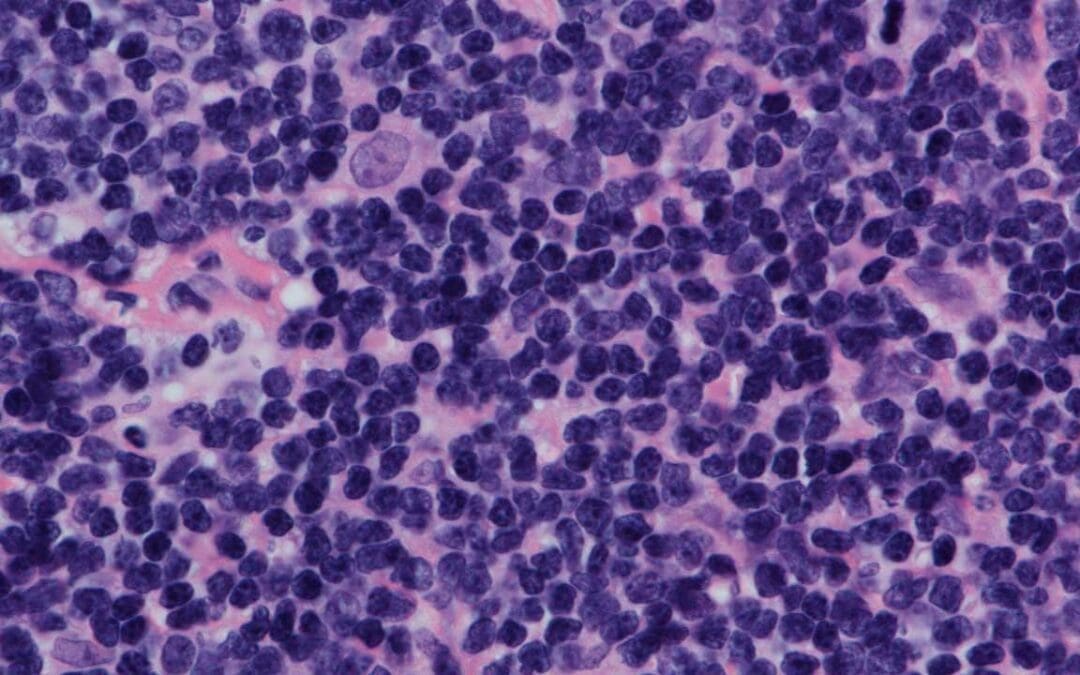
Key Takeaways Mantle cell lymphoma (MCL disease) is a rare and aggressive type of non-Hodgkin’s lymphoma that originates from B-cells in the “mantle zone” of the lymph nodes. Pathogenesis ▾: The hallmark of MCL is a specific genetic mutation...

Recent Comments