
by MyH Editorial Team | Jun 2, 2025 | Lab Protocols
Introduction The D-dimer test is a rapid and widely used diagnostic tool primarily for its high negative predictive value, meaning a normal D-dimer level can effectively rule out acute thrombotic events like deep vein thrombosis (DVT) and pulmonary embolism (PE) in...

by MyH Editorial Team | May 30, 2025 | White Blood Cells
Key Takeaways Lymphopenia is an abnormally low lymphocyte count in the blood, defined in adults as an absolute lymphocyte count below 1.0 x 10⁹/L (1,000 cells/µL). Thresholds are higher in children and depend on age. Lymphocytes ▾: Lymphocytes (B...

by MyH Editorial Team | May 28, 2025 | White Blood Cells
Key Takeaways Monocytosis means a high monocyte count in the blood, usually an absolute monocyte count (AMC) above 0.8–1.0 × 10⁹/L. It is a clue to an underlying problem, not a disease in itself. Causes ▾: Broadly categorized into infections...
by MyH Editorial Team | May 26, 2025 | White Blood Cells
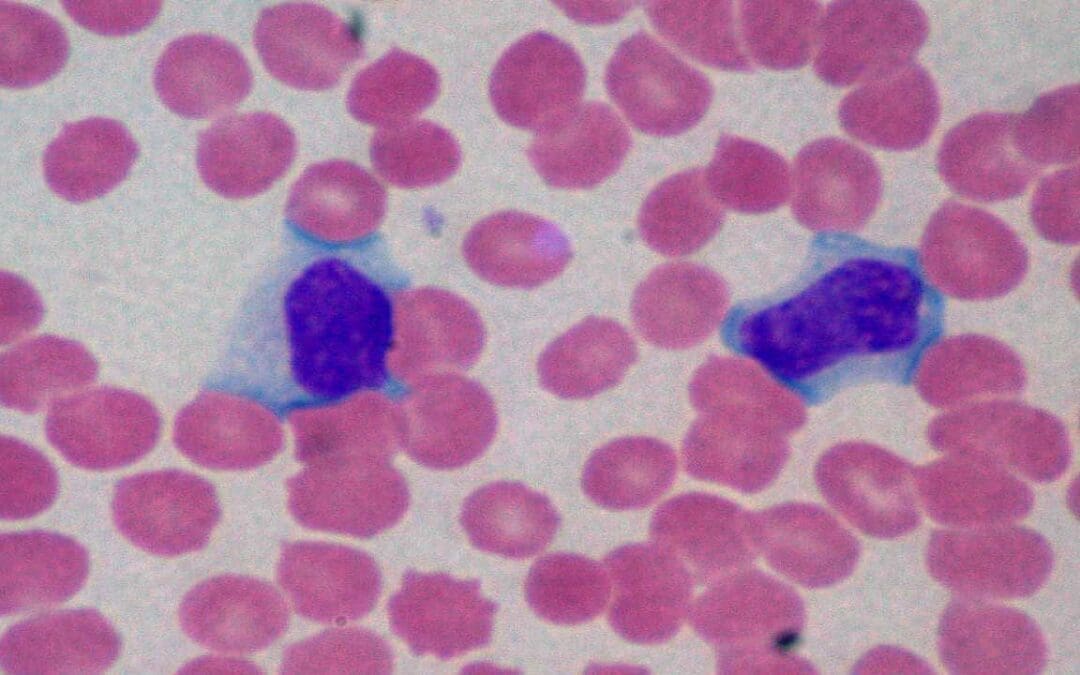
Key Takeaways Lymphocytosis or High lymphocytes is an elevated absolute lymphocyte count (ALC) in the peripheral blood, typically above 4.0 x 10⁹/L in adults. Lymphocyte Types ▾: Lymphocytes (B cells, T cells, NK cells) are crucial immune cells involved in...

by MyH Editorial Team | May 23, 2025 | Red Blood Cells
Key Takeaways Menorrhagia is excessive/prolonged menstrual bleeding, significantly impacting life and often signaling underlying issues. Causes ▾: Primarily due to gynecological issues (fibroids, polyps) or, crucially from a hematology view, bleeding disorders...

Recent Comments