
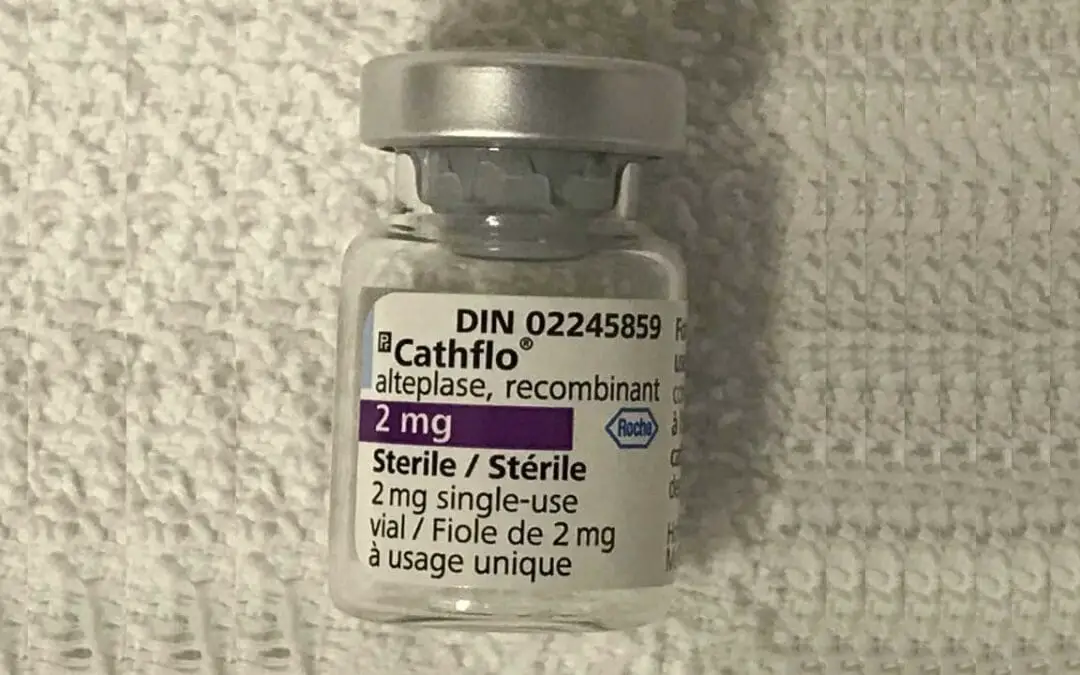
by MH Team | Aug 19, 2024 | Platelet Disorders
Key Takeaways What is tissue plasminogen activator (tPA)? ▾ Tissue plasminogen activator (tPA) is a drug used to dissolve blood clots. How does it work? ▾ Works by activating plasminogen, which breaks down fibrin in clots. Medical...
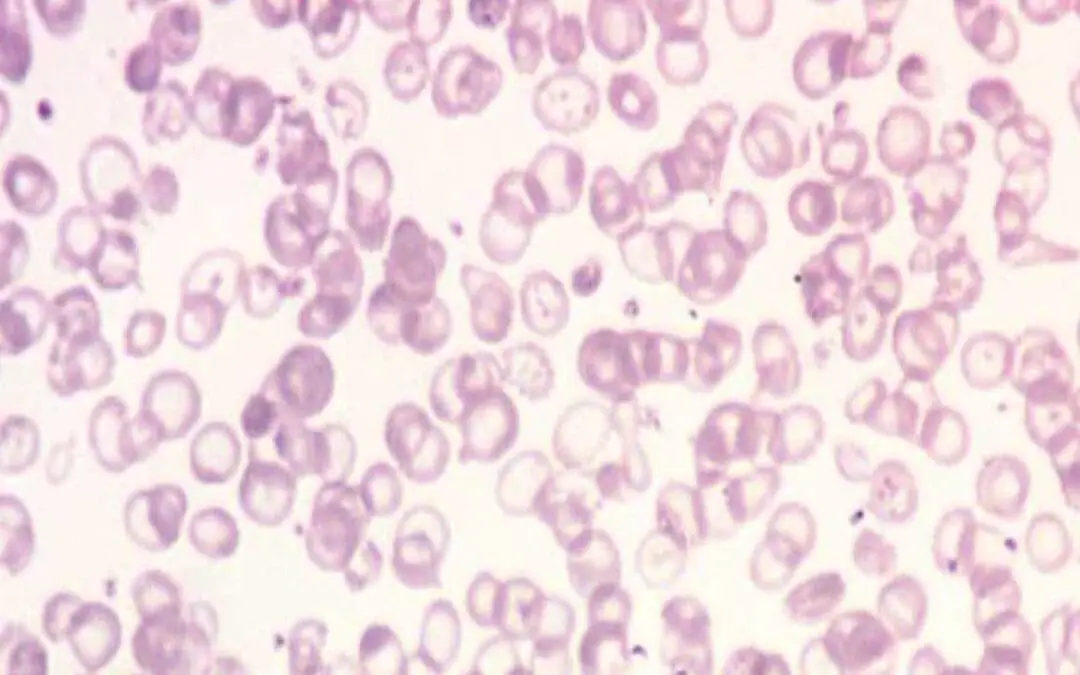
by MH Team | Aug 14, 2024 | Red Blood Cells
Key Takeaways Thalassemia is a group of inherited blood disorders characterized by the reduced or absent production of hemoglobin, the protein in red blood cells that carries oxygen. Pathogenesis ▾ Caused by genetic mutations affecting globin chain production...
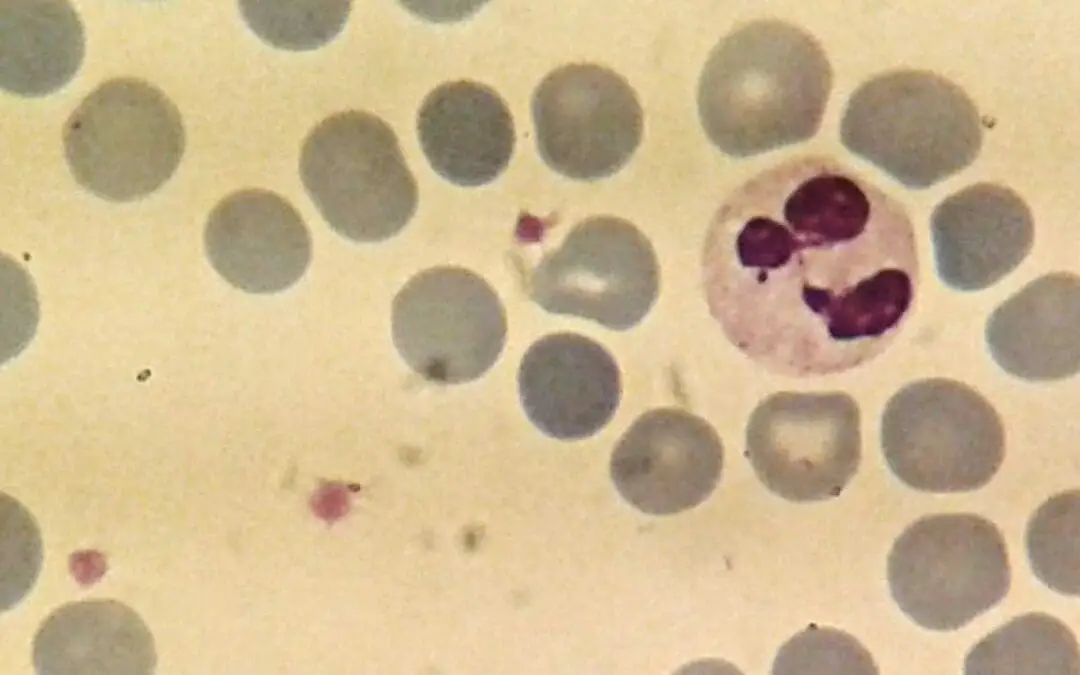
by MH Team | Aug 5, 2024 | White Blood Cells
Key Takeaways Neutrophils are the most common type of white blood cell, serving as the body’s primary defense against bacterial and fungal infections. Function ▾: Neutrophils primarily function by engulfing and destroying invading microorganisms through a...
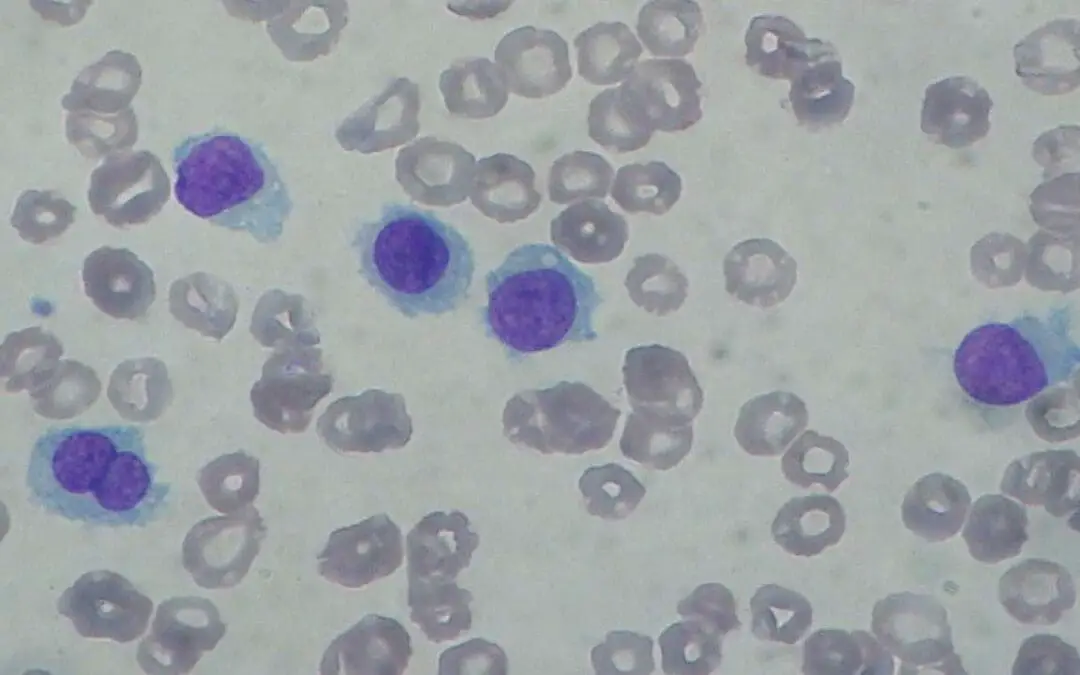
by MH Team | Jul 25, 2024 | White Blood Cells
Key Takeaways Hairy cell leukemia (HCL) is a rare chronic B-cell leukemia with characteristic “hairy” cells. Epidemiology ▾: Primarily affects middle-aged men, with an unknown cause. Pathogenesis ▾: Involves abnormal B-cell development and...
by MH Team | Jul 22, 2024 | Transfusion Medicine
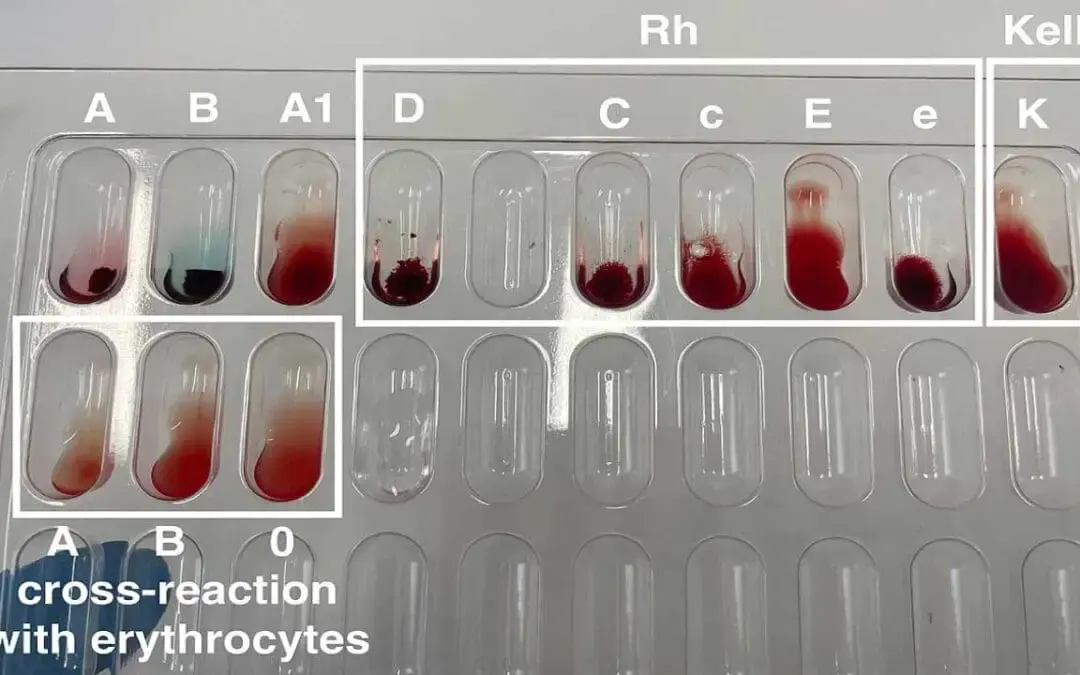
Key Takeaways The Rh blood group system is a classification of blood types based on the presence or absence of certain proteins (antigens) on the surface of red blood cells. Rh incompatibility can lead to serious complications. Antigen System: Rh antigens on red blood...

Recent Comments