
by MyH Editorial Team | Oct 17, 2023 | Hemostasis Disorders
Key Takeaways Hemophilia is an inherited disorder of secondary hemostasis caused by a deficiency of factor VIII (hemophilia A) or factor IX (hemophilia B); both result in delayed, deep tissue bleeding rather than immediate surface bleeding. Clinical features ▾:...
by MyH Editorial Team | Oct 16, 2023 | Hemostasis Disorders
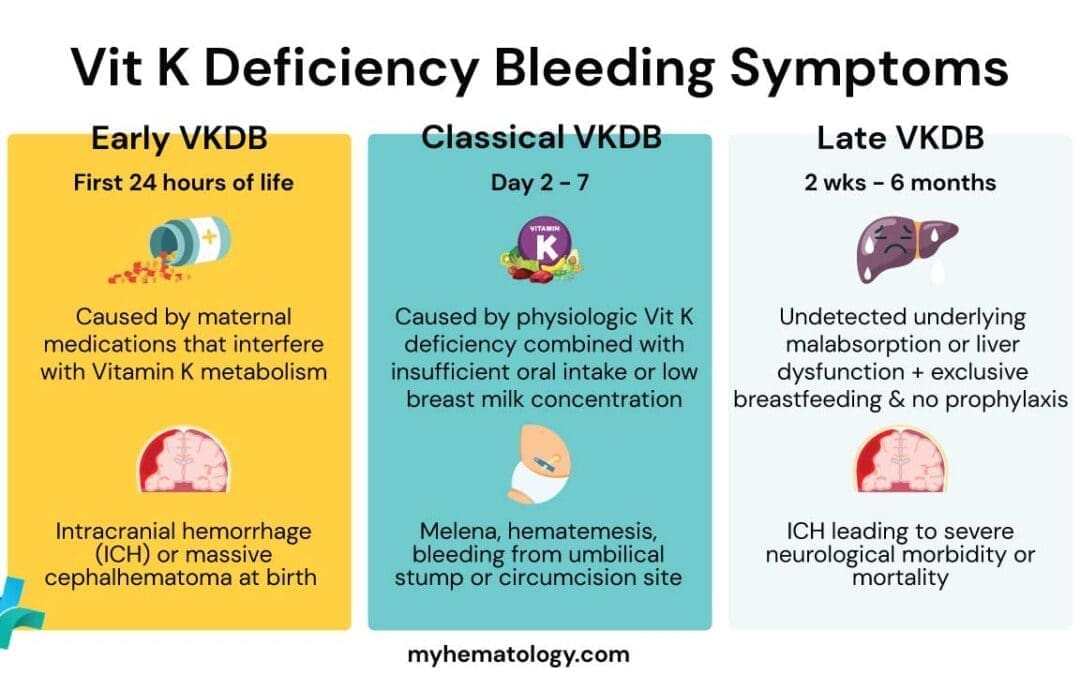
Key Takeaways Vitamin K deficiency bleeding (VKDB) is a preventable disorder in newborns and infants caused by low active levels of clotting factors II, VII, IX, and X. Causes: All newborns are physiologically vitamin K deficient at birth because of poor placental...

by MyH Editorial Team | Oct 16, 2023 | Hemostasis Disorders
Key Takeaways Von Willebrand disorder, also called von Willebrand disease (VWD), is the most common inherited bleeding disorder, affecting roughly 1 in 1,000 people, and is caused by a missing or defective protein called von Willebrand factor that normally helps...
by MyH Editorial Team | Oct 15, 2023 | Transfusion Medicine
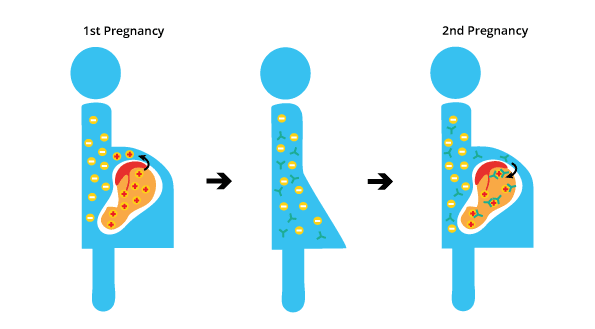
Key Takeaways Hemolytic Disease of the Fetus and Newborn is caused by maternal IgG antibodies crossing the placenta and destroying fetal red blood cells, most often due to RhD incompatibility, with anti-Kell and ABO as the next most important triggers. Pathophysiology...

by MyH Editorial Team | Oct 9, 2023 | Lab Protocols, White Blood Cells
Procedure-At-A-Glance Myeloperoxidase is an enzyme inside the granules of neutrophils and other myeloid cells. It is the most specific cytochemical marker of myeloid lineage [3,4]. The myeloperoxidase stain helps separate acute myeloid leukemia (AML), where blasts are...

Recent Comments