Key Takeaways
Leukocytosis is a white blood cell (WBC) count above the normal range, usually >11 x 10⁹/L in adults. It is a clinical sign, not a disease in itself [1].
- Causes ▾: The most common causes of leukocytosis are infection, inflammation, physical or emotional stress, certain medications, and blood cancers such as leukemia [1,3].
- Symptoms ▾: Leukocytosis itself is usually silent. Symptoms come from the underlying cause, such as fever, fatigue, joint pain, or unexplained bruising [1].
- Diagnosis ▾: Diagnosis starts with a complete blood count (CBC) with differential, followed by a peripheral blood smear to check cell type and maturity [3].
- Treatment & Management ▾: Treatment targets the cause, not the number. Antibiotics for infection, anti-inflammatories for inflammatory disease, and chemotherapy or targeted agents for hematologic cancers [1,2].
- Hyperleukocytosis Syndrome (HLS): A WBC count above 100 x 10⁹/L is a medical emergency called hyperleukocytosis and can cause leukostasis, tumor lysis syndrome, or disseminated intravascular coagulation [4,5].
*Click ▾ for more information
What Is Leukocytosis?
Leukocytosis simply means there are more white blood cells (leukocytes) in the blood than normal. White blood cells are the body's defense system. They patrol the bloodstream looking for infections, damaged tissue, and abnormal cells.
Leukocytosis is one of the most common findings on routine blood tests. Think of it as a smoke alarm: it tells you something is happening, but it does not tell you what.
Normal White Blood Cell (WBC) Count Ranges

The WBC count is reported as part of a complete blood count (CBC). Reference ranges shift with age, so always interpret a result against the right group.
| Age Group | Total WBC (×10⁹/L) | Neutrophils (%) | Lymphocytes (%) | Monocytes (%) | Eosinophils (%) | Basophils (%) |
|---|---|---|---|---|---|---|
| Newborn0–1 day | 9–34 | 30–60 | 20–60 | 3–10 | 1–6 | 0–2 |
| Infant1 day–1 month | 5–19 | 40–70 | 20–50 | 3–10 | 1–6 | 0–2 |
| Child1 month–18 years | 5–15 | 30–55 | 30–70 | 2–10 | 1–6 | 0–2 |
| Adult>18 years | 4.5–11 | 40–70 | 20–40 | 2–10 | 1–4 | 0–2 |
Why Leukocytosis Matters
Leukocytosis is not a final diagnosis. It is a clue that prompts the next question: why is the count high? It is helpful in four ways.
- It signals an active immune response. A raised count tells the clinician the body is reacting to something: infection, inflammation, tissue damage, or a marrow problem.
- It guides the workup. The pattern of which cells are raised narrows the differential. High neutrophils point toward bacterial infection. High lymphocytes point toward viral infection or, less commonly, lymphoid cancers. High eosinophils point toward allergy or parasites.
- It tracks treatment response. A falling count after antibiotics suggests the infection is responding.
- It separates conditions that look similar. A leukemoid reaction and chronic myeloid leukemia can both produce extremely high counts, but the cells, smear findings, and molecular tests differ [2].
A few caveats are important. The size of the rise does not always match the severity of the illness. Some severe infections, especially in older adults or immunocompromised patients, produce no rise at all. Stress, exercise, and steroids can cause transient elevations that mean nothing clinically.
Physiological Leukocytosis
Not every high count is pathological. Two groups deserve special attention.
Newborns start life with higher baseline counts because of the stress of birth and an immature immune system. Counts up to 30 x 10⁹/L in the first few days are usually normal. A persistently high or rapidly rising count, however, raises concern for neonatal sepsis and needs urgent assessment [1].
Pregnant women develop a mild physiological leukocytosis, typically up to about 18 x 10⁹/L by the third trimester, with a further peak during labor. This is a normal adaptation. A persistently high count, especially with fever or urinary symptoms, should prompt a search for infection [1].
Children between 1 month and 18 years have their own reference range and their own common causes. Pertussis can drive striking lymphocytosis. Children with Down syndrome can develop a transient abnormal myelopoiesis at birth that mimics leukemia. However, modern pediatric guidelines (such as the 2021 AAP guidelines for febrile infants) emphasize that the total WBC count lacks sensitivity and specificity. Instead, they prioritize the Absolute Neutrophil Count (ANC) and often using a threshold of >4,000 to 5,200/mm³ depending on age alongside inflammatory markers like procalcitonin and C-reactive protein (CRP) to accurately risk-stratify for serious bacterial infections [9].
Types of Leukocytosis
Two ways of classifying leukocytosis are useful in practice.

By Predominant Cell Type
The differential count tells you which white blood cell is driving the rise.
- Neutrophilia. Raised neutrophils. Suggests bacterial infection, acute inflammation, tissue damage, or stress.
- Lymphocytosis. Raised lymphocytes. Suggests viral infection, pertussis, autoimmune disease, or chronic lymphocytic leukemia (CLL).
- Monocytosis. Raised monocytes. Suggests chronic infection (such as tuberculosis), chronic inflammation, or some myeloid cancers.
- Eosinophilia. Raised eosinophils. Suggests allergic disease, parasitic infection, drug reactions, or rare myeloproliferative disorders.
- Basophilia. Raised basophils. Uncommon. Suggests chronic myeloid leukemia, hypothyroidism, or some allergic conditions.
By Cell Maturity
The smear shows whether young or old cells dominate.
- Left shift. Young, immature neutrophil precursors (bands, metamyelocytes, occasionally myelocytes) appear in the blood. Classic in severe bacterial infection and chronic myeloid leukemia [3].
- Right shift (hypersegmentation). Neutrophils carry five or more nuclear lobes. Classic in vitamin B12 or folate deficiency.
Leukocytosis Causes

Leukocytosis has a wide differential. The table below groups the most common causes.
| Category | Examples |
|---|---|
|
Infection
|
Bacterial (pneumonia, UTI), viral (mononucleosis, CMV), parasitic (malaria), fungal (aspergillosis) |
|
Inflammation & autoimmunity
|
Rheumatoid arthritis, SLE, IBD, vasculitis, psoriasis |
|
Tissue injury
|
Burns, trauma, major surgery, myocardial infarction |
|
Hematologic cancers
|
Acute and chronic leukemias, lymphomas, multiple myeloma, myeloproliferative neoplasms |
|
Allergic reactions
|
Drug allergies, food allergies, insect stings, anaphylaxis |
|
Stress response
|
Severe pain, seizures, heavy exercise, intense emotional stress |
|
Medications
|
Corticosteroids, lithium, G-CSF, beta-agonists, epinephrine [1] |
|
Other
|
Splenectomy, smoking, dehydration, pregnancy |
A quick word on demargination because it explains several of the entries above. About half of all neutrophils are normally stuck to the inner walls of blood vessels rather than flowing in the bloodstream. Stress hormones and steroids dislodge them, causing the WBC count to jump within hours. No infection is required.
Leukocytosis Symptoms & Signs
Leukocytosis itself is usually silent. Patients feel symptoms of the underlying cause, not of the high count.
General clues include fever, fatigue, and a vague feeling of being unwell (malaise). These overlap with almost any infectious or inflammatory state.
Cause-specific clues narrow the differential.
- Infection: localized pain, redness, cough, urinary urgency, diarrhea
- Inflammation: joint swelling, skin rashes, morning stiffness
- Autoimmune disease: fatigue, weight loss, widespread pain
- Cancer: night sweats, unexplained weight loss, easy bruising or bleeding
On examination, two findings are worth checking deliberately. Enlarged lymph nodes (lymphadenopathy) suggest infection or lymphoid disease. An enlarged spleen (splenomegaly) raises suspicion of myeloproliferative disorders, lymphoma, or chronic infection.
Complications of Leukocytosis
Most cases resolve with treatment of the underlying cause. A few situations are dangerous.
Leukostasis
When the WBC count climbs above 100 x 10⁹/L, especially in acute myeloid leukemia (AML), masses of white cells can plug small blood vessels. This is called leukostasis. Modern evidence shows the cause is not just thickened blood. Adhesion molecules on leukemic blasts also bind to the inner lining of vessels, and leukostasis can occur at counts below 100 x 10⁹/L in monocytic AML [4,6].
Leukostasis classically affects three organ systems: lungs (breathlessness, low oxygen), brain (confusion, headache, blurred vision), and kidneys (acute kidney injury). Intracranial hemorrhage is the most feared outcome. Early mortality in AML hyperleukocytosis can reach 8% within 24 hours and up to 29% within a week [5].
Tumor Lysis Syndrome (TLS)
When a large mass of cancer cells dies quickly, either spontaneously or in response to chemotherapy, their contents flood the bloodstream. The result is high potassium, high phosphate, high uric acid, and low calcium, which together can cause kidney failure and dangerous heart rhythms.
Disseminated Intravascular Coagulation (DIC)
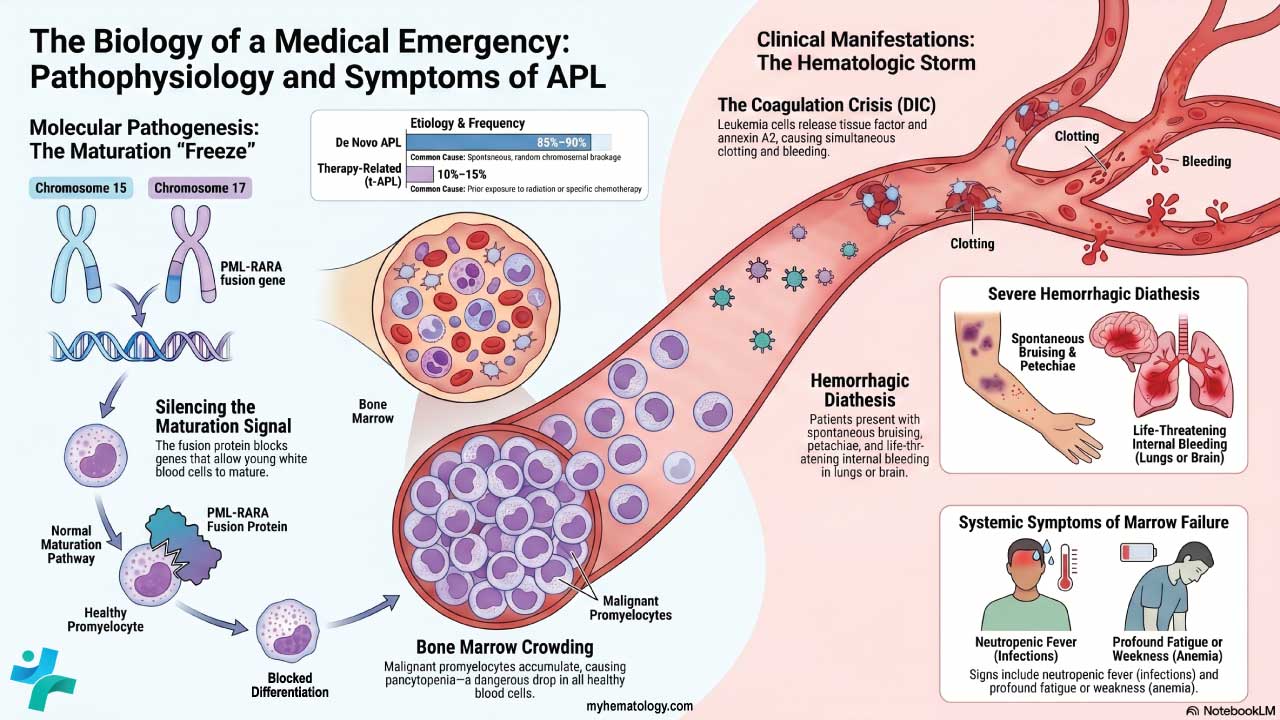
Some hematologic cancers, particularly acute promyelocytic leukemia, trigger widespread abnormal clotting. Clotting factors and platelets are consumed, leading to bleeding in some sites and clots in others.
Paradoxical Infection Risk
Counterintuitively, very high WBC counts can impair immune function. Cells produced in the bone marrow under stress may not work normally, leaving the patient vulnerable to opportunistic infections.
Organ Infiltration
In leukemia, abnormal white cells can infiltrate the liver, spleen, and lymph nodes, enlarging them and disrupting their function.
Laboratory Investigations for Leukocytosis
A four-tier approach moves from screening to specialist testing without ordering everything at once.
Tier 1: The Initial Quantitative Assessment
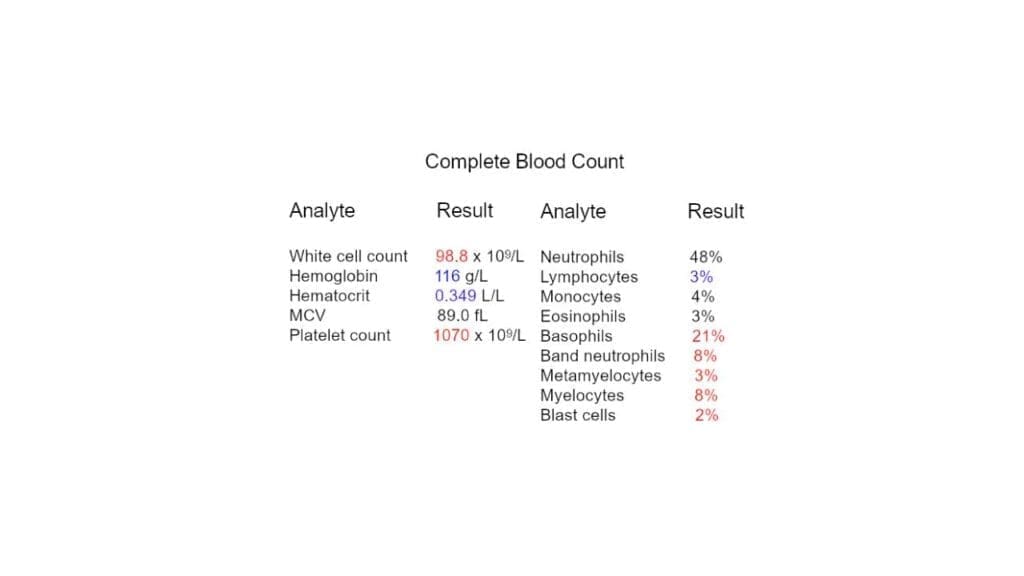
Start with a complete blood count and automated differential. Two principles guide interpretation [3].
- Use absolute counts, not percentages. A patient with a normal total WBC may still have an absolute lymphocytosis hidden behind a low neutrophil count. The Absolute Neutrophil Count (ANC) is especially important because it reflects true infection-fighting capacity.
- Note the severity. Counts above 11 x 10⁹/L in adults trigger investigation. Counts above 50 x 10⁹/L suggest a leukemoid reaction or a myeloproliferative neoplasm. Counts above 100 x 10⁹/L are a hematologic emergency.
Tier 2: Qualitative Morphological Analysis
If the automated count is abnormal, ask for a peripheral blood smear. It is the highest-yield manual investigation in hematology.
- Left shift with bands and metamyelocytes points to acute bacterial infection.
- Toxic granulation, Döhle bodies, and cytoplasmic vacuolation in neutrophils suggest severe sepsis.
- Atypical (reactive) lymphocytes with scalloped borders point to viral infections like Epstein-Barr virus.
- Blast cells require immediate hematology consultation to rule out acute leukemia.

Tier 3: Directed Clinical Investigations
Once the predominant cell type is known, target the most likely cause.
- Infection workup: blood cultures, urinalysis, sputum culture, chest X-ray, viral serology (HIV, EBV, CMV)
- Inflammation: ESR and C-reactive protein (CRP)
- Medication and metabolic review: recent corticosteroids, ketoacidosis, recent surgery, burns
Tier 4: Advanced Hematologic Evaluation
If reactive causes are excluded or the smear is suspicious, move to specialist tests.
- Bone marrow aspiration and biopsy. The definitive test for marrow architecture, infiltration, and fibrosis.
- Flow cytometry. Tags surface markers to determine clonality. Essential in lymphocytosis. A clonal CD5/CD19/CD23 lymphocyte population, for example, confirms CLL [7].
- Cytogenetics and molecular studies. The Philadelphia chromosome t(9;22) and the BCR::ABL1 fusion gene (using updated HUGO double-colon nomenclature) confirm CML. JAK2 V617F is tested for other myeloproliferative neoplasms. Next-generation sequencing (NGS) panels are now the standard of care for persistent, unexplained leukocytosis. NGS detects a broad array of driver mutations (e.g., CSF3R, ASXL1, TET2) and identifies precursor states like Clonal Hematopoiesis of Indeterminate Potential (CHIP). Furthermore, under the 2022 WHO and International Consensus Classification (ICC) updates, certain diagnostic thresholds have shifted. For instance, the WBC threshold for Chronic Neutrophilic Leukemia is now ≥13 x 10⁹/L if a CSF3R mutation is present, and the strict 20% blast requirement for Acute Myeloid Leukemia (AML) is waived if defining genetic abnormalities (such as PML::RARA) are found [6,10].
- Leukocyte alkaline phosphatase (LAP) score. Largely replaced by molecular testing but still useful conceptually: LAP is low in CML and high in a leukemoid reaction.
Monoclonal B-cell lymphocytosis (MBL)
MBL is a small clonal B-cell population found in otherwise healthy adults. It is now recognized in current WHO and ICC classifications and is considered a precursor state to CLL [6].
Diagnostic Summary
| Smear finding | Likely investigation |
|---|---|
| Toxic granulation | Cultures, procalcitonin, imaging for infection |
| Smudge cells | Flow cytometry for CLL |
| Auer rods Urgent | Urgent bone marrow biopsy for AML |
| Hypersegmented neutrophils | Vitamin B12 and folate levels |
| Eosinophilia | Stool ova and parasites, allergy testing, occult malignancy workup |
Leukocytosis Treatment and Management
The principle is simple. Treat the cause, not the number. Urgency depends on whether leukostasis or tumor lysis syndrome is brewing.
Reactive Leukocytosis
This covers most cases.
- Infection. Targeted antibiotics, antivirals, or antifungals. The WBC trend is a useful marker of response.
- Inflammation. NSAIDs, corticosteroids, or biologics for diseases like rheumatoid arthritis or IBD. Be aware that high-dose steroids themselves push the WBC up by demargination, sometimes within hours. This "steroid jump" must not be mistaken for worsening infection.
- Stress. After seizures, myocardial infarction, or heavy exercise, no specific treatment is needed. Counts usually normalize within 24 hours.
Hyperleukocytosis and Leukostasis: Emergency Management
When the WBC count is above 100 x 10⁹/L, especially in AML, treatment must move quickly [4,5].
- Aggressive intravenous fluids. Around 2.5–3 L/m² per day to reduce viscosity and maintain kidney perfusion.
- Cytoreduction.
- Hydroxyurea as a holding measure while chemotherapy is planned.
- Leukapheresis, the mechanical removal of WBCs, is now strictly reserved for highly symptomatic patients (e.g., those with severe pulmonary or neurological compromise). The 2023 American Society for Apheresis (ASFA) Guidelines (9th Edition) officially downgraded therapeutic leukocytapheresis for hyperleukocytosis to a Category III recommendation (Grade 2B evidence), meaning its optimal role is not established and it should never delay the initiation of definitive chemotherapy [11].
- TLS prophylaxis.
- Allopurinol for low-to-intermediate risk.
- Rasburicase for high-risk patients or those with pre-existing high uric acid.
The "Leukostasis" Red Flags
If a patient has a WBC count > 100x 109/L, monitor for dyspnea (suggests pulmonary leukostasis), neurological deficits (confusion, headaches, or visual blurring) and priapism (sign of microvascular occlusion).
Malignant Leukocytosis
Once a hematologic cancer is confirmed, treatment shifts to definitive oncology pathways.
- CML. Tyrosine kinase inhibitors such as imatinib remain the cornerstone.
- Acute leukemias (AML and ALL). For younger, fit patients, intensive induction chemotherapy (with potential stem cell transplantation) remains the standard. However, a major paradigm shift has occurred for older or unfit patients with AML: the standard of care is now the BCL-2 inhibitor venetoclax combined with a hypomethylating agent (HMA) such as azacitidine. Additionally, targeted therapies such as FLT3 inhibitors (midostaurin, gilteritinib) and IDH1/IDH2 inhibitors (ivosidenib, enasidenib) are now integrated into treatment algorithms based on the patient's specific mutation profile [12].
- CLL. Often a "watch and wait" approach unless symptoms develop or the lymphocyte doubling time falls below 6 months [7].
Monitoring and Follow-Up
A single WBC value tells you less than a trend. In a resolving infection, the left shift disappears before the total count normalizes. After splenectomy, patients may settle into a new baseline of 12–15 x 10⁹/L; the priority then becomes education about overwhelming post-splenectomy infection (OPSI) and appropriate vaccination.
When to worry: A quick triage guide
- Probably benign: mild leukocytosis (11–20 x 10⁹/L) with an obvious infection, recent surgery, steroid use, or stress.
- Investigate further: moderate leukocytosis (20–50 x 10⁹/L) without an obvious cause, or persistent leukocytosis on repeat counts.
- Urgent: counts above 50 x 10⁹/L (leukemoid reaction or possible leukemia), abnormal cells on smear, or any signs of leukostasis.
Frequently Asked Questions (FAQs)
What is leukocytosis in simple terms?
Leukocytosis means your white blood cell count is higher than the normal range, usually above 11 x 10⁹/L in adults. It is a sign, not a disease, and most often reflects infection, inflammation, stress, certain medications, or a blood disorder [1].
Is a high white blood cell count always serious?
No. Many causes are mild and temporary, including viral colds, stress, exercise, pregnancy, and steroid use. Counts above 50 x 10⁹/L (leukemoid reaction) or above 100 x 10⁹/L (hyperleukocytosis) are concerning and need urgent evaluation, especially with confusion, breathlessness, or unexplained bruising [4,5].
How is leukocytosis diagnosed?
The first test is a complete blood count with differential. A peripheral blood smear is the next step to look at cell shape and maturity. Depending on findings, doctors may order infection screens, inflammatory markers, flow cytometry, or a bone marrow biopsy [3].
Can stress or exercise really raise my white blood cell count?
Yes. Heavy exercise, surgery, seizures, and strong emotional stress can release neutrophils that were stuck to the inner walls of blood vessels into the circulating blood, a process called demargination. Counts usually return to normal within 24 hours and need no treatment [1].
What is the difference between leukocytosis and leukemia?
Leukocytosis is a high count of mostly normal white blood cells. Leukemia is a cancer where abnormal white blood cells are produced in the bone marrow. Leukemia almost always causes leukocytosis, but most leukocytosis is not leukemia. A peripheral blood smear and flow cytometry distinguish them [2,7].
What level of white blood cell count is dangerous?
The adult normal range is 4.5–11 x 10⁹/L. Counts above 50 x 10⁹/L raise suspicion of a leukemoid reaction or blood cancer. Counts above 100 x 10⁹/L are a hematologic emergency due to the risk of leukostasis, in which clumps of white cells block small blood vessels and damage organs [4,5].
Glossary of Related Medical Terms
- Leukocytosis: A higher-than-normal white blood cell count, usually >11 x 10⁹/L in adults.
- Absolute Neutrophil Count (ANC): The actual number of neutrophils per liter of blood.
- Demargination: Release of white blood cells from vessel walls into the flowing blood, often triggered by stress hormones or steroids.
- Left shift: Immature neutrophil precursors (bands, metamyelocytes) in the blood.
- Right shift (hypersegmentation): Neutrophils with five or more nuclear lobes; classic in B12 or folate deficiency.
- Leukemoid reaction: A very high WBC count (often >50 x 10⁹/L) caused by severe non-cancerous illness.
- Hyperleukocytosis: A WBC count >100 x 10⁹/L, usually in leukemia, with risk of leukostasis, DIC, and TLS.
- Leukostasis: A medical emergency where leukemic cells block small vessels, starving organs of oxygen.
- Tumor lysis syndrome (TLS): Metabolic disturbance from rapid cancer cell breakdown.
- Flow cytometry: A laser-based test that identifies cell populations by surface markers.
- Monoclonal B-cell lymphocytosis (MBL): A small clonal B-cell population in healthy adults; precursor to CLL.
- Splenectomy: Surgical removal of the spleen.
Disclaimer: This article is intended for educational and informational purposes only. It is not intended to be a substitute for informed professional medical advice, diagnosis, or treatment. While the information presented here is derived from credible medical sources and is believed to be accurate and up-to-date, it is not guaranteed to be complete or error-free. See additional information.
References
- Mank V, Killeen RB. Leukocytosis. [Updated 2026 Jun 15]. In: StatPearls [Internet]. Treasure Island (FL): StatPearls Publishing; 2026 Jan-. Available from: https://www.ncbi.nlm.nih.gov/books/NBK560882/
- George T. I. (2012). Malignant or benign leukocytosis. Hematology. American Society of Hematology. Education Program, 2012, 475–484. https://doi.org/10.1182/asheducation-2012.1.475
- Riley, L. K., & Rupert, J. (2015). Evaluation of Patients with Leukocytosis. American family physician, 92(11), 1004–1011.
- Röllig, C., & Ehninger, G. (2015). How I treat hyperleukocytosis in acute myeloid leukemia. Blood, 125(21), 3246–3252. https://doi.org/10.1182/blood-2014-10-551507
- Stahl, M., Shallis, R. M., Wei, W., Montesinos, P., Lengline, E., Neukirchen, J., Bhatt, V. R., Sekeres, M. A., Fathi, A. T., Konig, H., Luger, S., Khan, I., Roboz, G. J., Cluzeau, T., Martínez-Cuadron, D., Raffoux, E., Germing, U., Umakanthan, J. M., Mukherjee, S., Brunner, A. M., … Zeidan, A. M. (2020). Management of hyperleukocytosis and impact of leukapheresis among patients with acute myeloid leukemia (AML) on short- and long-term clinical outcomes: a large, retrospective, multicenter, international study. Leukemia, 34(12), 3149–3160. https://doi.org/10.1038/s41375-020-0783-3
- Khoury, J. D., Solary, E., Abla, O., Akkari, Y., Alaggio, R., Apperley, J. F., Bejar, R., Berti, E., Busque, L., Chan, J. K. C., Chen, W., Chen, X., Chng, W. J., Choi, J. K., Colmenero, I., Coupland, S. E., Cross, N. C. P., De Jong, D., Elghetany, M. T., Takahashi, E., … Hochhaus, A. (2022). The 5th edition of the World Health Organization Classification of Haematolymphoid Tumours: Myeloid and Histiocytic/Dendritic Neoplasms. Leukemia, 36(7), 1703–1719. https://doi.org/10.1038/s41375-022-01613-1
- Hallek, M., Cheson, B. D., Catovsky, D., Caligaris-Cappio, F., Dighiero, G., Döhner, H., Hillmen, P., Keating, M., Montserrat, E., Chiorazzi, N., Stilgenbauer, S., Rai, K. R., Byrd, J. C., Eichhorst, B., O'Brien, S., Robak, T., Seymour, J. F., & Kipps, T. J. (2018). iwCLL guidelines for diagnosis, indications for treatment, response assessment, and supportive management of CLL. Blood, 131(25), 2745–2760. https://doi.org/10.1182/blood-2017-09-806398
- Padmanabhan, A., Connelly-Smith, L., Aqui, N., Balogun, R. A., Klingel, R., Meyer, E., Pham, H. P., Schneiderman, J., Witt, V., Wu, Y., Zantek, N. D., Dunbar, N. M., & Schwartz, G. E. J. (2019). Guidelines on the Use of Therapeutic Apheresis in Clinical Practice - Evidence-Based Approach from the Writing Committee of the American Society for Apheresis: The Eighth Special Issue. Journal of clinical apheresis, 34(3), 171–354. https://doi.org/10.1002/jca.21705
- Pantell, R. H., Roberts, K. B., Adams, W. G., Dreyer, B. P., Kuppermann, N., O'Leary, S. T., Okechukwu, K., Woods, C. R., Jr, & SUBCOMMITTEE ON FEBRILE INFANTS (2021). Evaluation and Management of Well-Appearing Febrile Infants 8 to 60 Days Old. Pediatrics, 148(2), e2021052228. https://doi.org/10.1542/peds.2021-052228
- Arber, D. A., Orazi, A., Hasserjian, R. P., Borowitz, M. J., Calvo, K. R., Kvasnicka, H. M., Wang, S. A., Bagg, A., Barbui, T., Branford, S., Bueso-Ramos, C. E., Cortes, J. E., Dal Cin, P., DiNardo, C. D., Dombret, H., Duncavage, E. J., Ebert, B. L., Estey, E. H., Facchetti, F., Foucar, K., … Tefferi, A. (2022). International Consensus Classification of Myeloid Neoplasms and Acute Leukemias: integrating morphologic, clinical, and genomic data. Blood, 140(11), 1200–1228. https://doi.org/10.1182/blood.2022015850
- Connelly-Smith, L., Alquist, C. R., Aqui, N. A., Hofmann, J. C., Klingel, R., Onwuemene, O. A., Patriquin, C. J., Pham, H. P., Sanchez, A. P., Schneiderman, J., Witt, V., Zantek, N. D., & Dunbar, N. M. (2023). Guidelines on the Use of Therapeutic Apheresis in Clinical Practice - Evidence-Based Approach from the Writing Committee of the American Society for Apheresis: The Ninth Special Issue. Journal of clinical apheresis, 38(2), 77–278. https://doi.org/10.1002/jca.22043
- DiNardo, C. D., Jonas, B. A., Pullarkat, V., Thirman, M. J., Garcia, J. S., Wei, A. H., Konopleva, M., Döhner, H., Letai, A., Fenaux, P., Koller, E., Havelange, V., Leber, B., Esteve, J., Wang, J., Pejsa, V., Hájek, R., Porkka, K., Illés, Á., Lavie, D., … Pratz, K. W. (2020). Azacitidine and Venetoclax in Previously Untreated Acute Myeloid Leukemia. The New England journal of medicine, 383(7), 617–629. https://doi.org/10.1056/NEJMoa2012971