
Alpha thalassemia is an inherited blood disorder that causes less alpha globin production, leading to less hemoglobin formation thus resulting in anemia.
Red Blood Cells
High Performance Liquid Chromatography (HPLC) for Identification of Hemoglobin Subtypes
HPLC for hemoglobin subtype identification separates and quantifies different hemoglobin variants based on their unique chromatographic properties.
Glucose-6-Phosphate Dehydrogenase (G6PD) Fluorescent Spot Test
The G6PD fluorescent spot test is a rapid and simple screening method for G6PD deficiency that utilizes the enzyme’s ability to reduce NADP+ to NADPH.

Hemolytic Anemia
Hemolytic anemia occurs when red blood cells are destroyed faster than they’re produced, leading to fatigue, weakness, and shortness of breath.
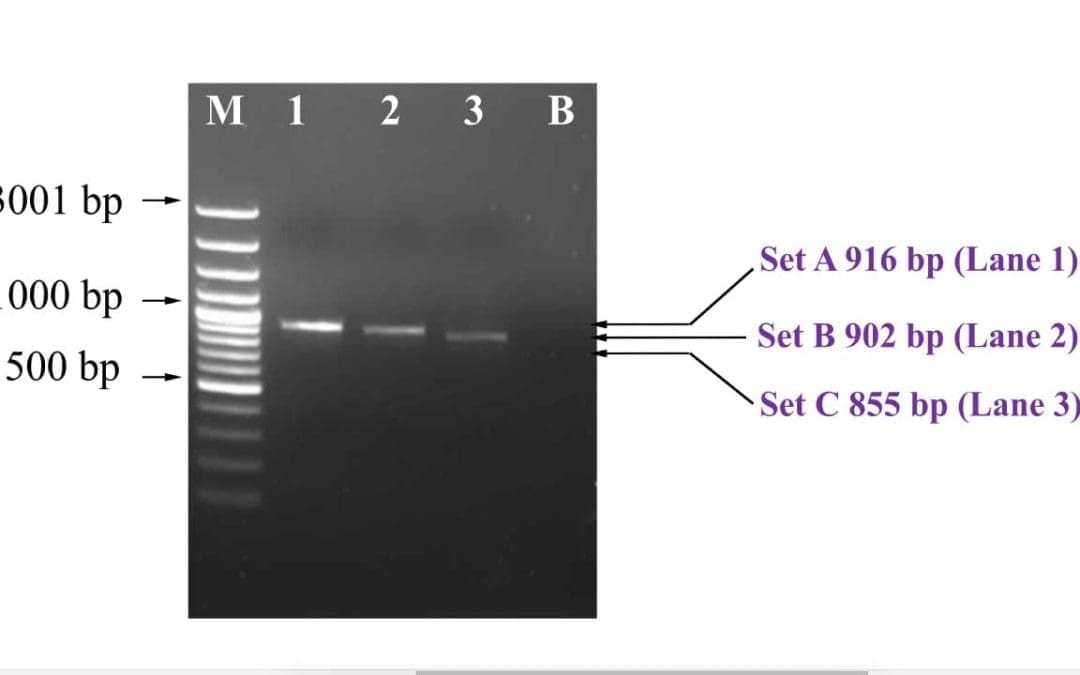
Agarose Gel Electrophoresis Preparation for PCR
Agarose gel electrophoresis: where we separate and visualize amplified DNA fragments.
Hemolytic Anemia
Hemolytic anemia occurs when red blood cells are destroyed faster than they’re produced, leading to fatigue, weakness, and shortness of breath.
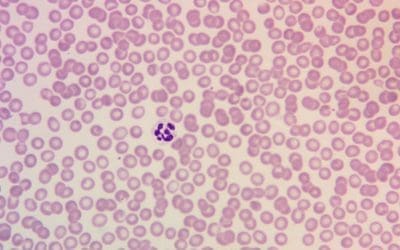
Megaloblastic Anemia
Megaloblastic anemia is a type of anemia caused by a deficiency of vitamin B12 or folate.
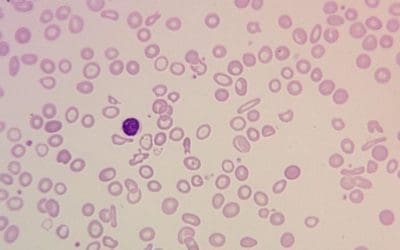
Iron Deficiency Anemia (IDA): A Nutritional Problem
Iron deficiency anemia (IDA) is a common blood disorder caused by a lack of iron. Iron is essential for the production of hemoglobin, a protein in red blood cells that carries oxygen. IDA causes symptoms such as fatigue, pale skin, and shortness of breath.
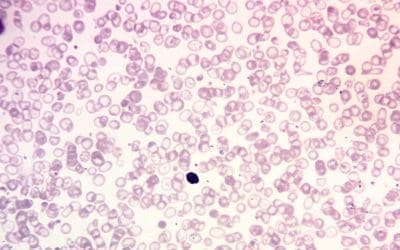
β-Thalassemia: A diverse hemoglobin disorder
Beta thalassemia is a blood disorder caused by a mutation in the gene that produces beta globin, a protein that helps red blood cells carry oxygen. People with beta thalassemia may have mild to severe anemia, and may need blood transfusions and other treatments.
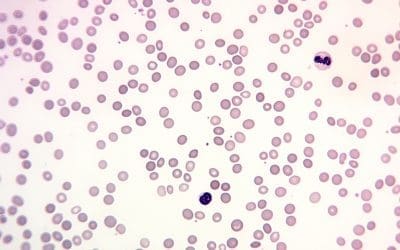
Hereditary Spherocytosis: A spherocytic hemolysis
Hereditary spherocytosis (HS) is a blood disorder that causes red blood cells to be sphere-shaped and less flexible. This makes them more likely to break down, leading to anemia.
