
Red Blood Cells
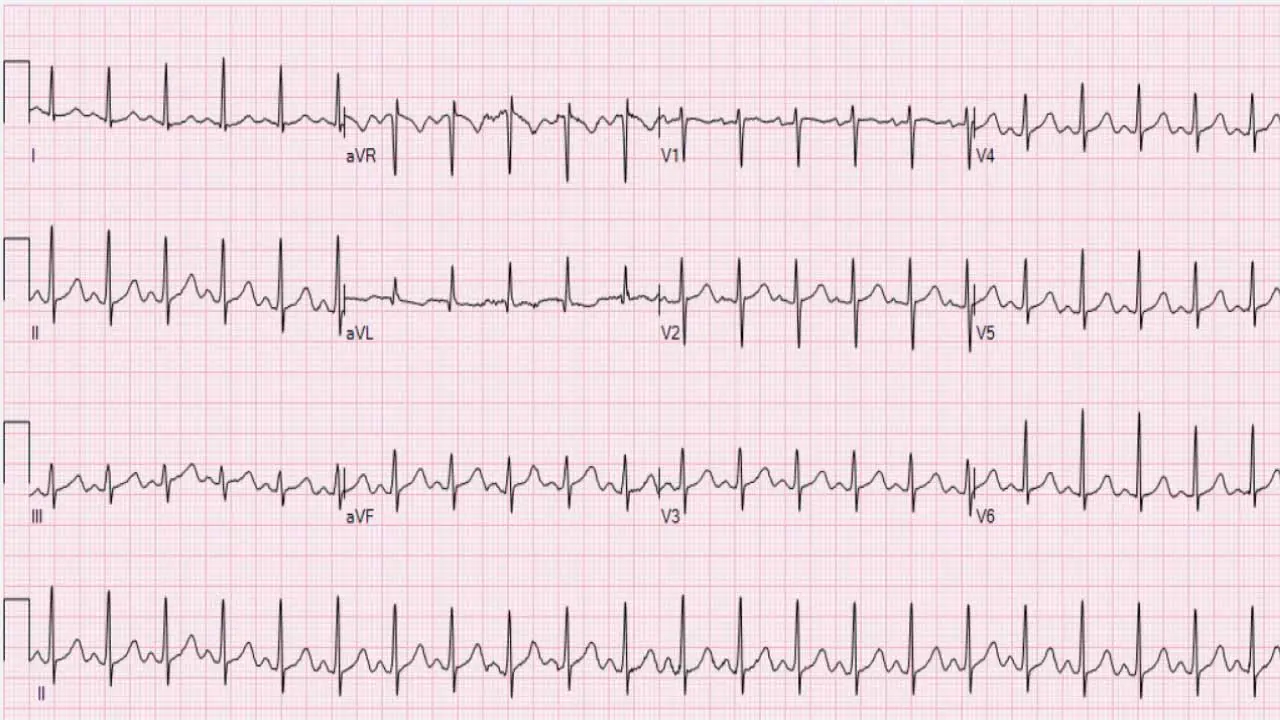
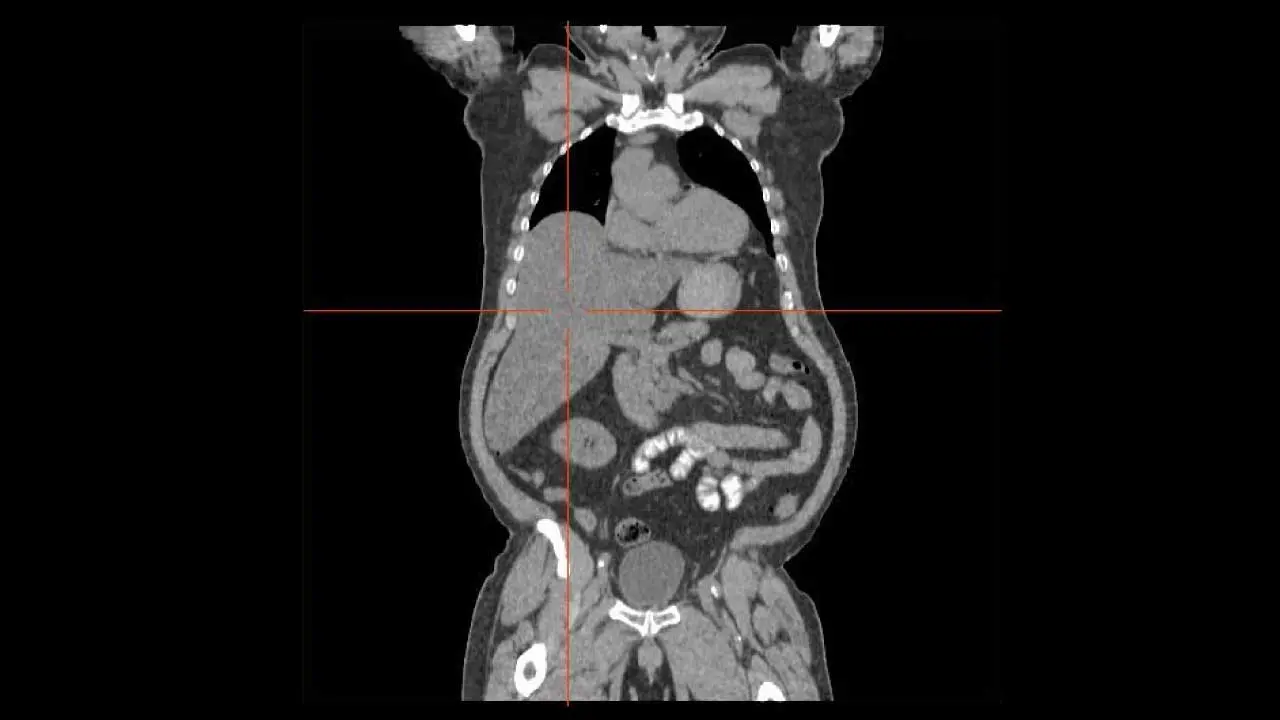
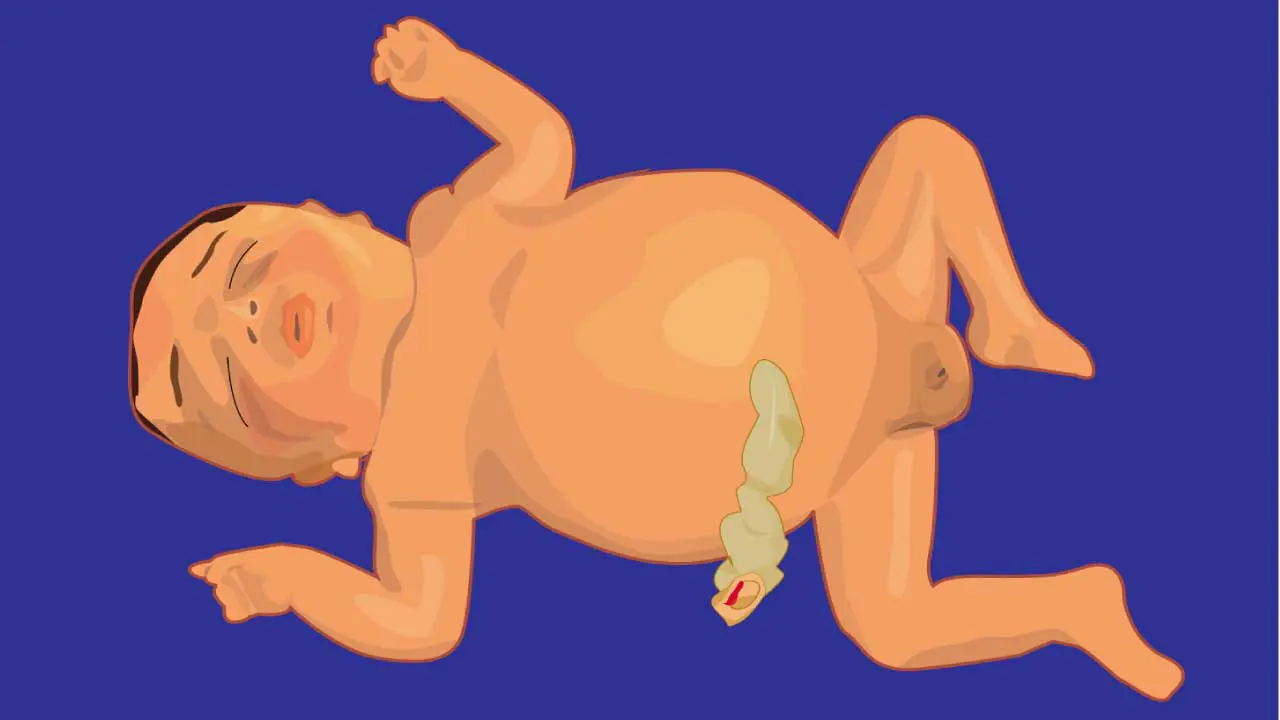
Hydrops Fetalis
Explore hydrops fetalis: a severe fetal condition marked by excessive fluid accumulation. Learn its diverse causes, from genetic to infectious.
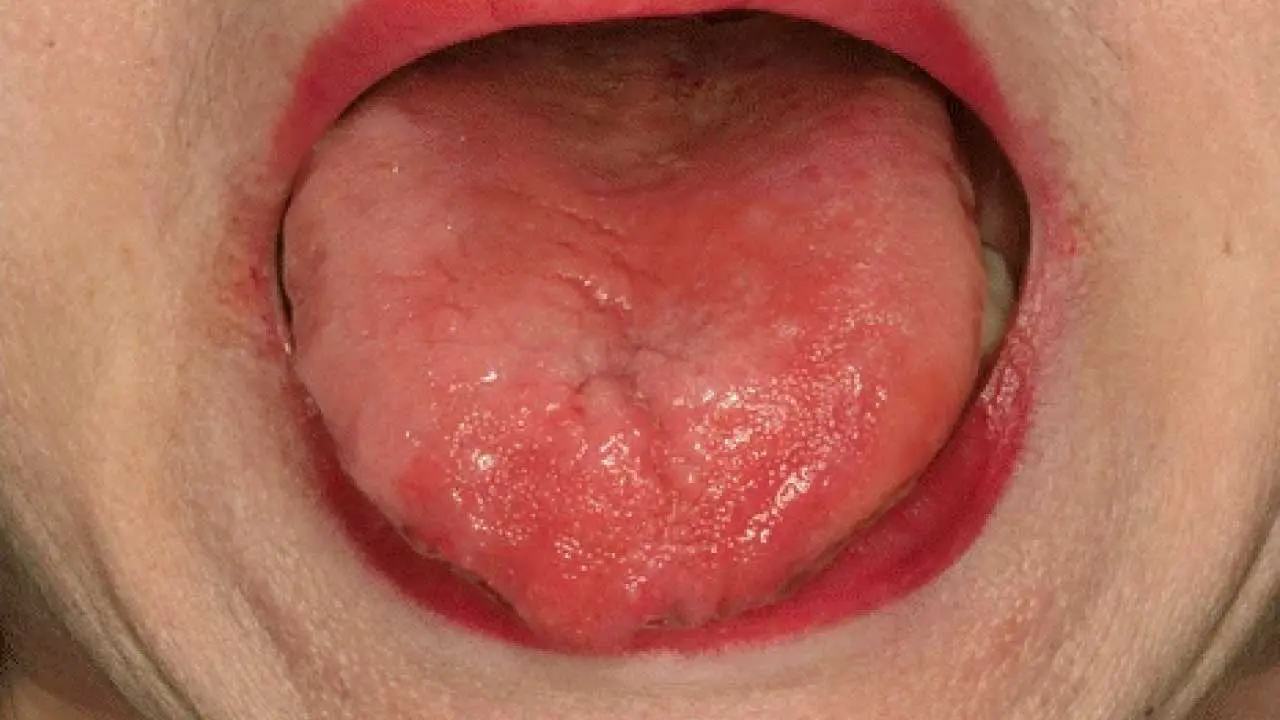
Pernicious Anemia
Pernicious anemia, an autoimmune condition, disrupts vitamin B12 absorption. This leads to fatigue, nerve problems, and a special type of anemia. Early diagnosis and B12 replacement therapy are key for good health.
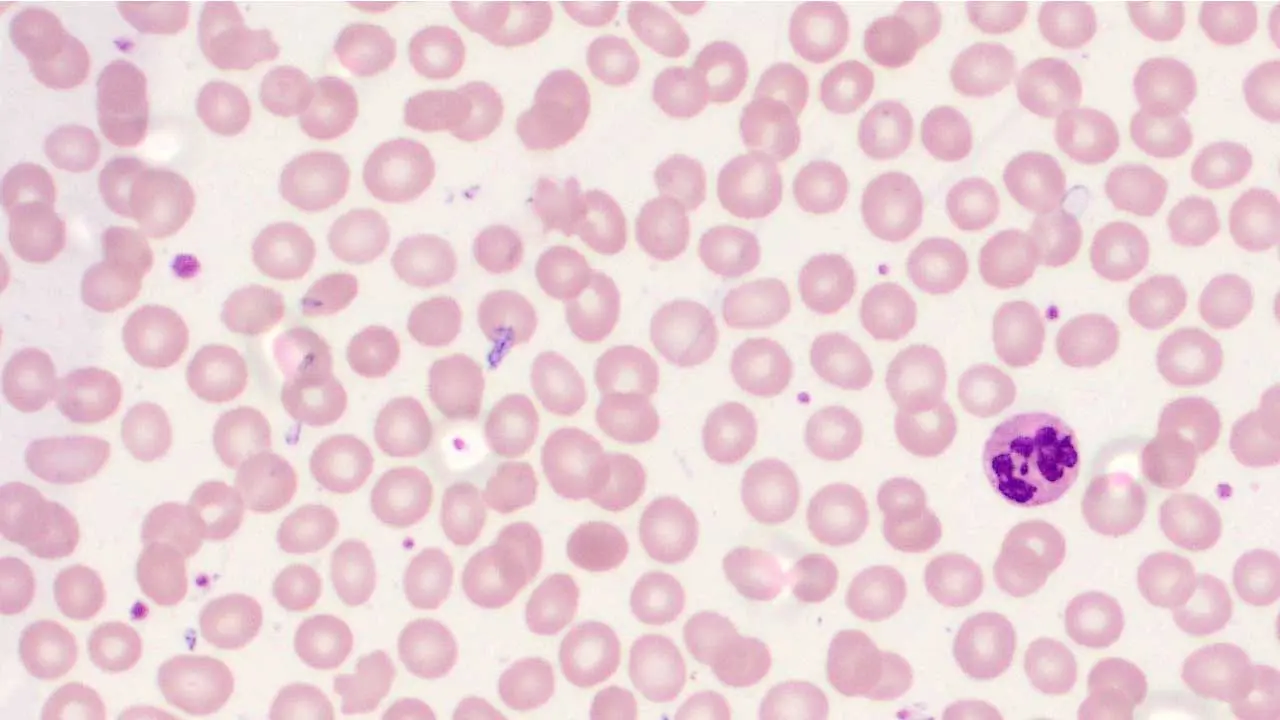
Vitamin B12 Deficiency Anemia
Vitamin B12 keeps the red cells & nerves healthy, but deficiency can lead to fatigue, numbness, and weakness. Early diagnosis is key to prevent complications.

Systematic Approach to Anemia
Systematic anemia diagnosis starts with a detailed history, exam & blood tests. Iron studies, B12/folate levels & other tests pinpoint the cause (iron deficiency, vitamin deficiency, etc.) leading to targeted treatment & improved outcomes.
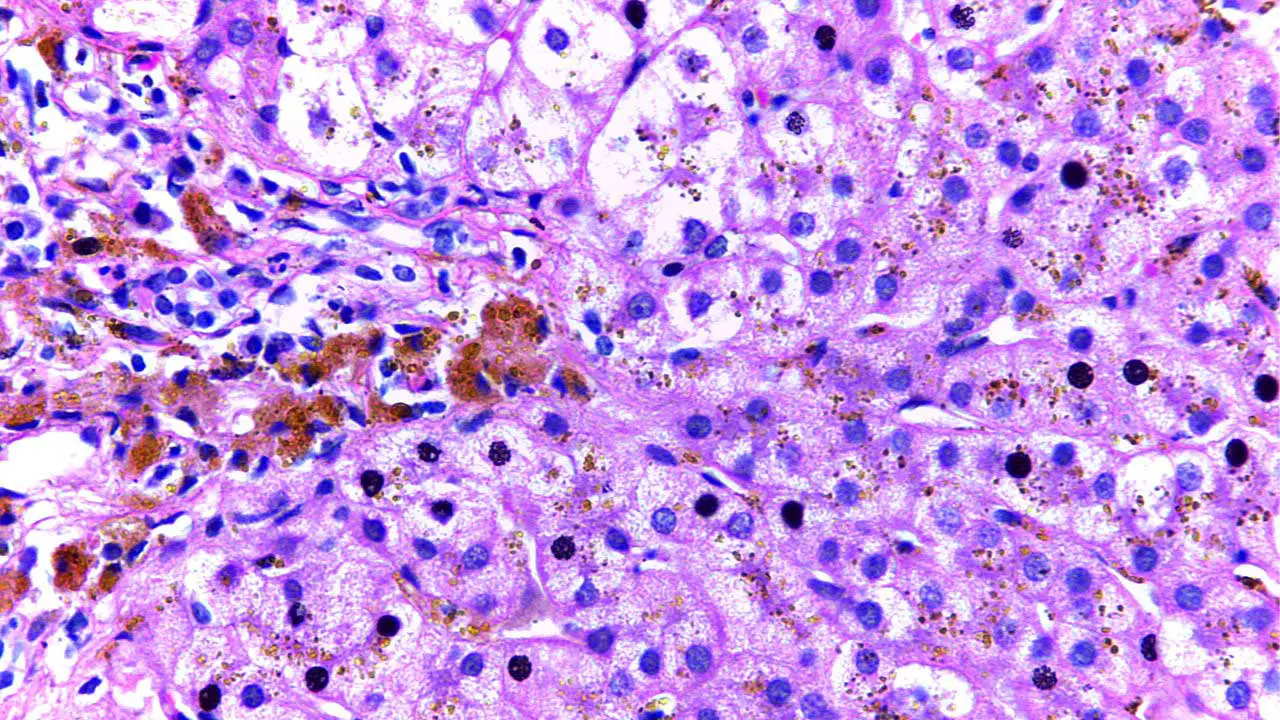
Hereditary Hemochromatosis
Hereditary hemochromatosis, an inherited disorder, disrupts iron absorption leading to excessive iron buildup in organs like the liver, heart, and pancreas. Early diagnosis through blood tests is crucial to prevent potential complications like cirrhosis, heart failure, and diabetes. Treatment focuses on iron reduction through phlebotomy and may prevent severe health consequences.
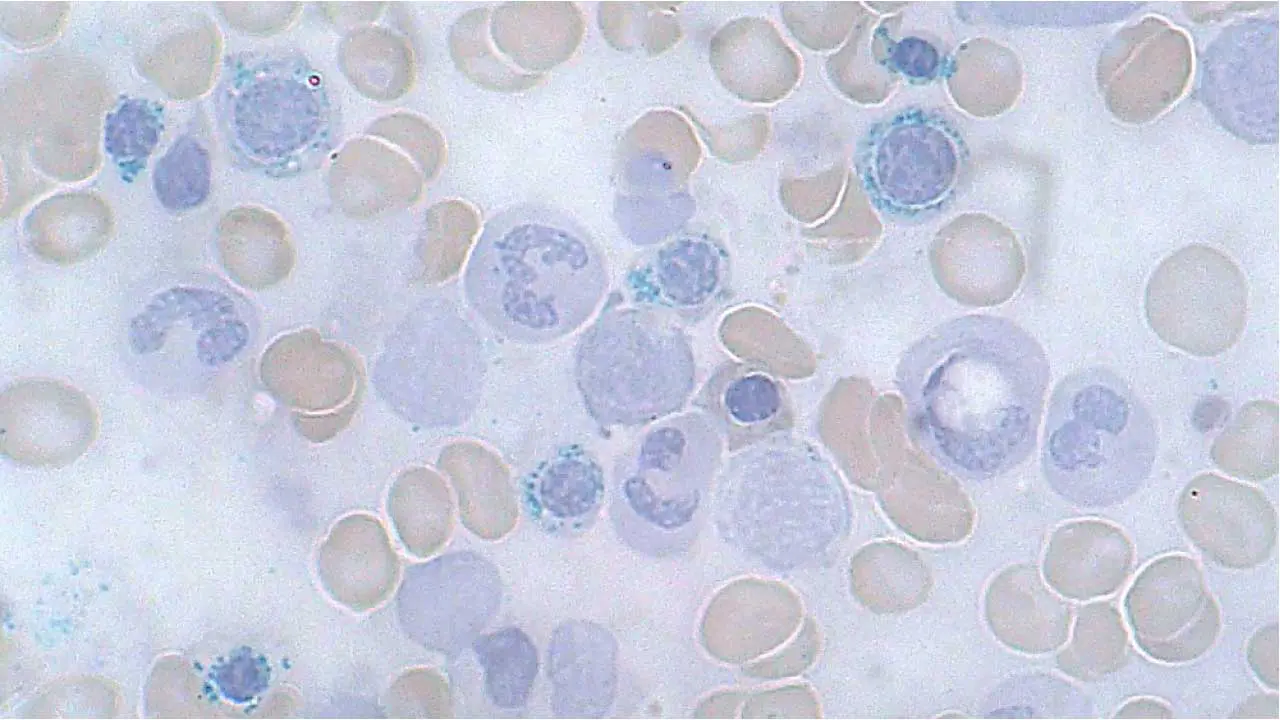
Sideroblastic Anemia
Sideroblastic anemia disrupts iron use in red blood cells. Caused by genetic mutations or factors like alcohol abuse, it’s diagnosed by analyzing bone marrow for ring sideroblasts, iron-laden structures.
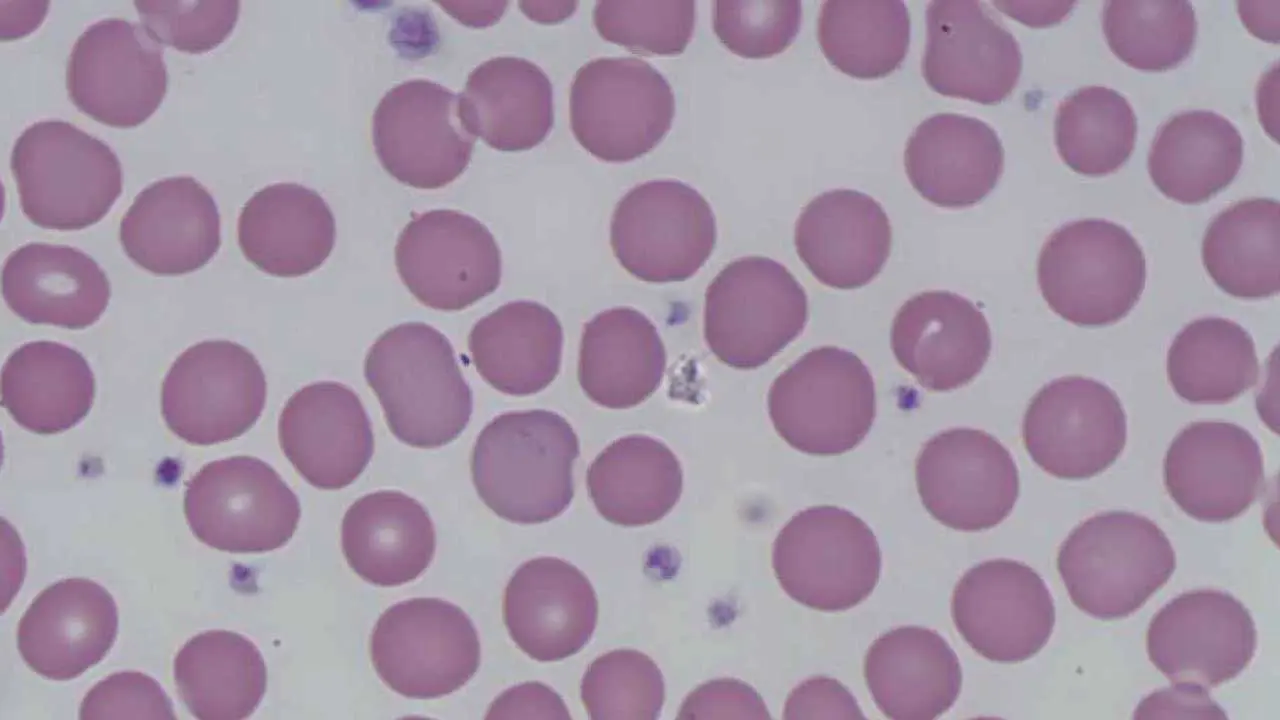
Differential Diagnosis of Macrocytic Anemias
Macrocytosis, larger-than-normal red blood cells, can be a sign of vitamin B12 or folate deficiency, liver disease, or bone marrow issues. Early diagnosis is key for targeted treatment.