
Red Blood Cells
Evans Syndrome
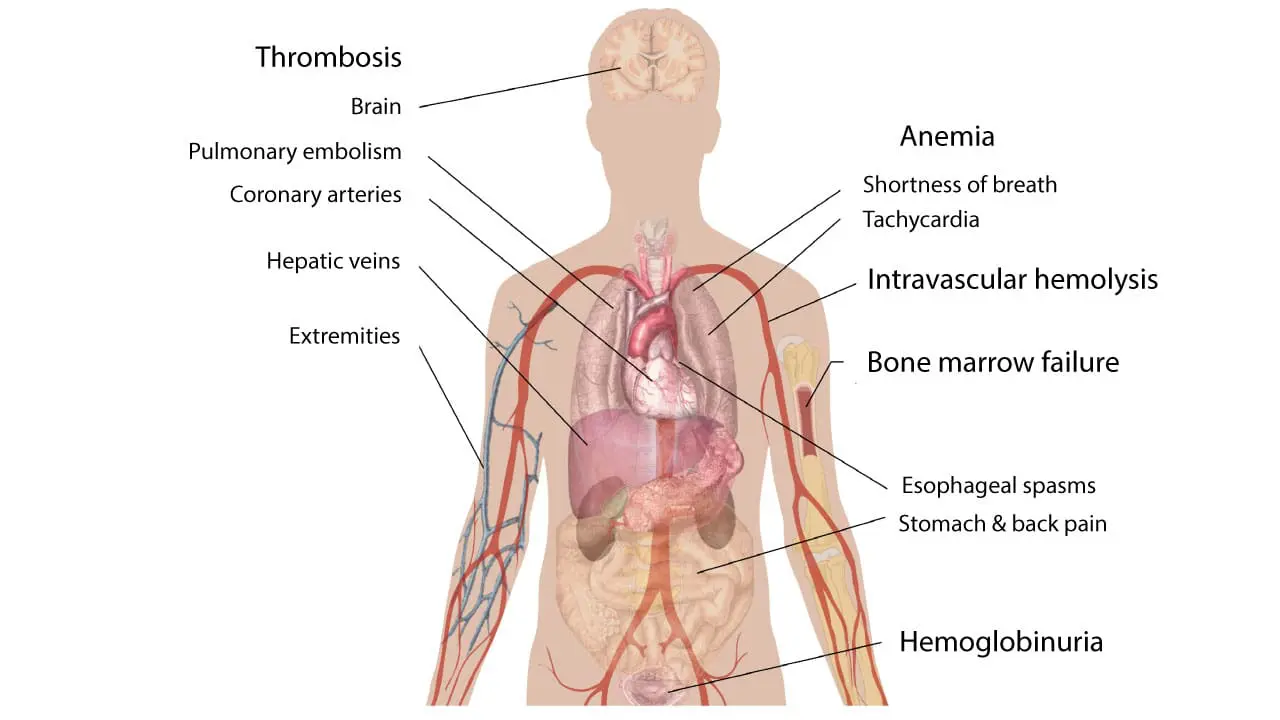
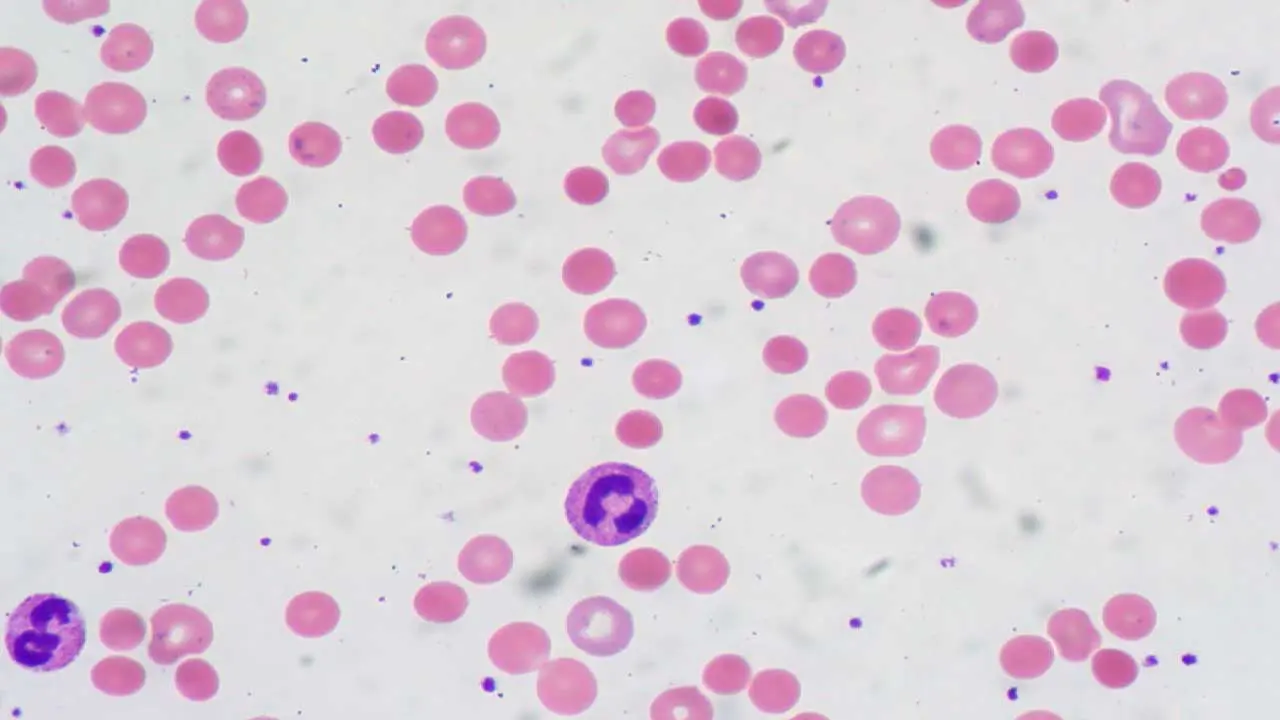
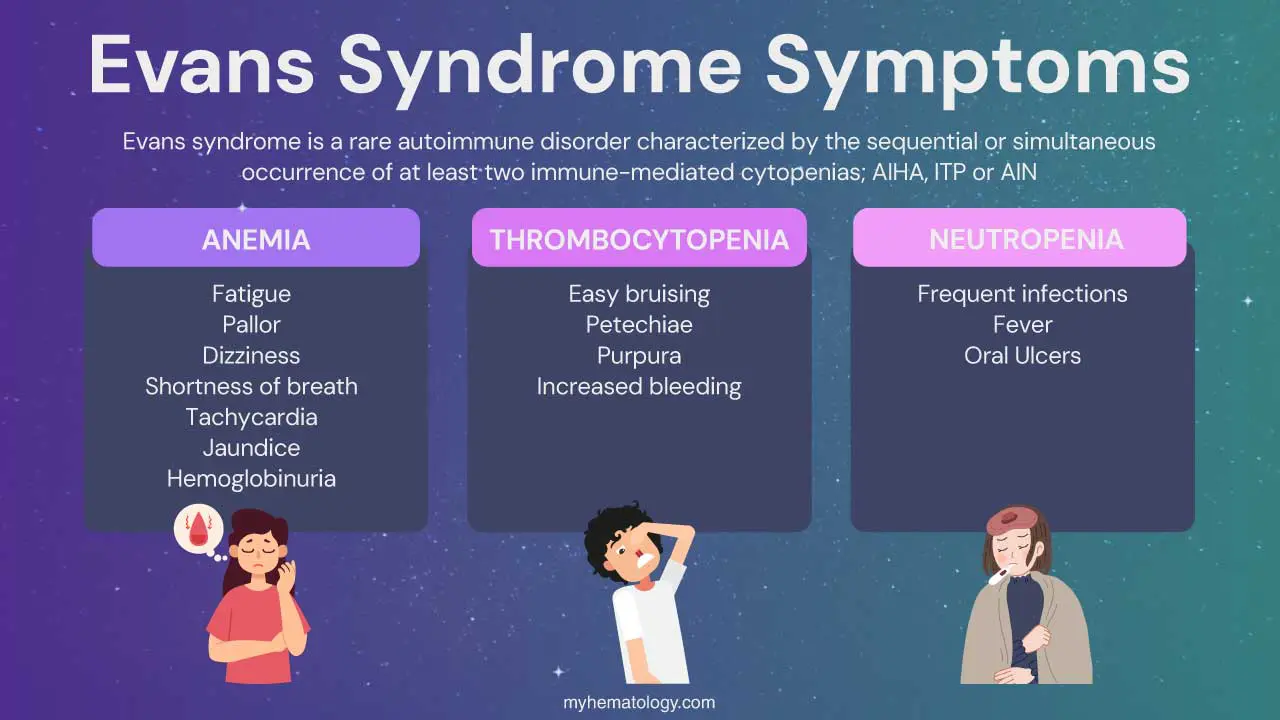
Evans syndrome: Rare autoimmune disorder causing low red blood cells & platelets (AIHA & ITP). Can lead to fatigue, bruising, and bleeding.
Supravital Stain: BCB or NMB
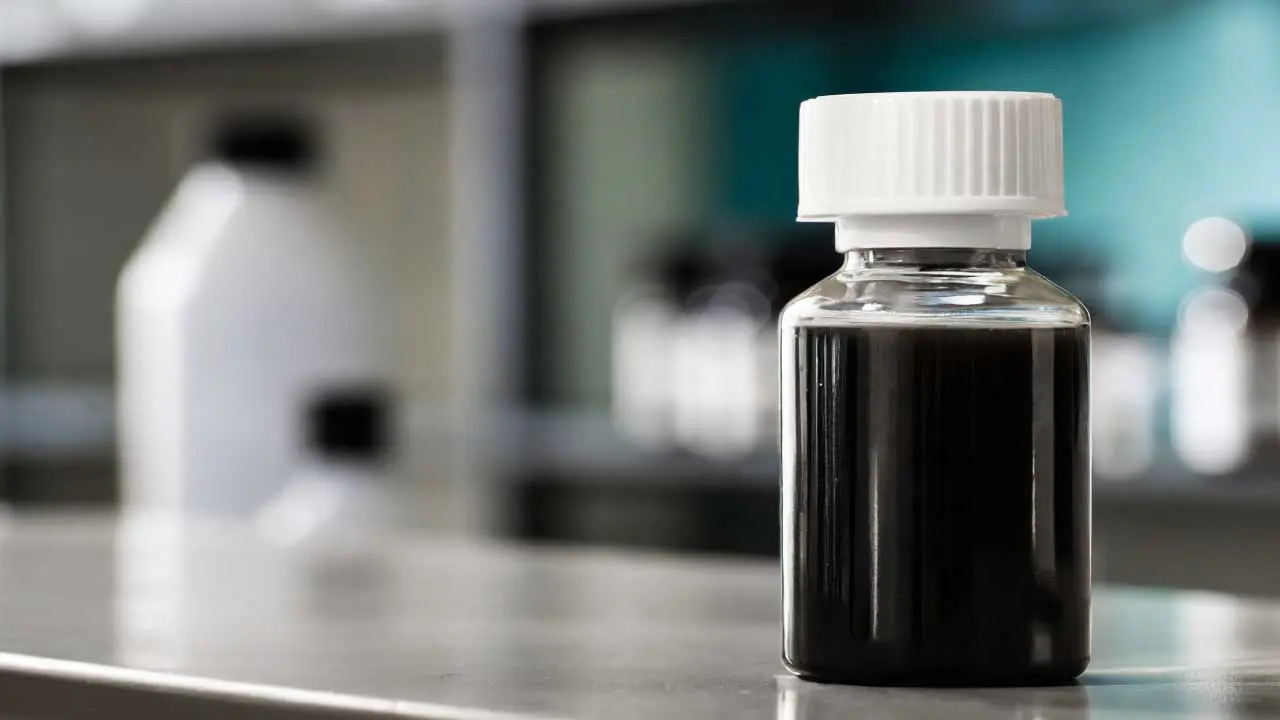
BCB or new methylene blue (NMB) stains are also known as supravital stains. These stains are commonly used to stain reticulocytes, Heinz bodies or H inclusions
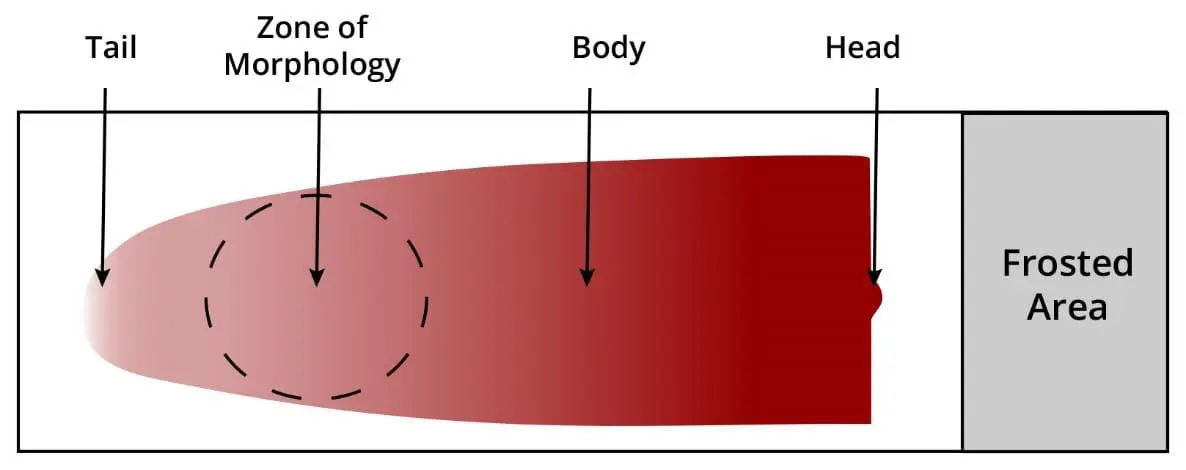
Preparation of Peripheral Blood Smears
A drop of blood spread on a slide, reveals morphological abnormalities of the blood cells that can be viewed under the microscope.
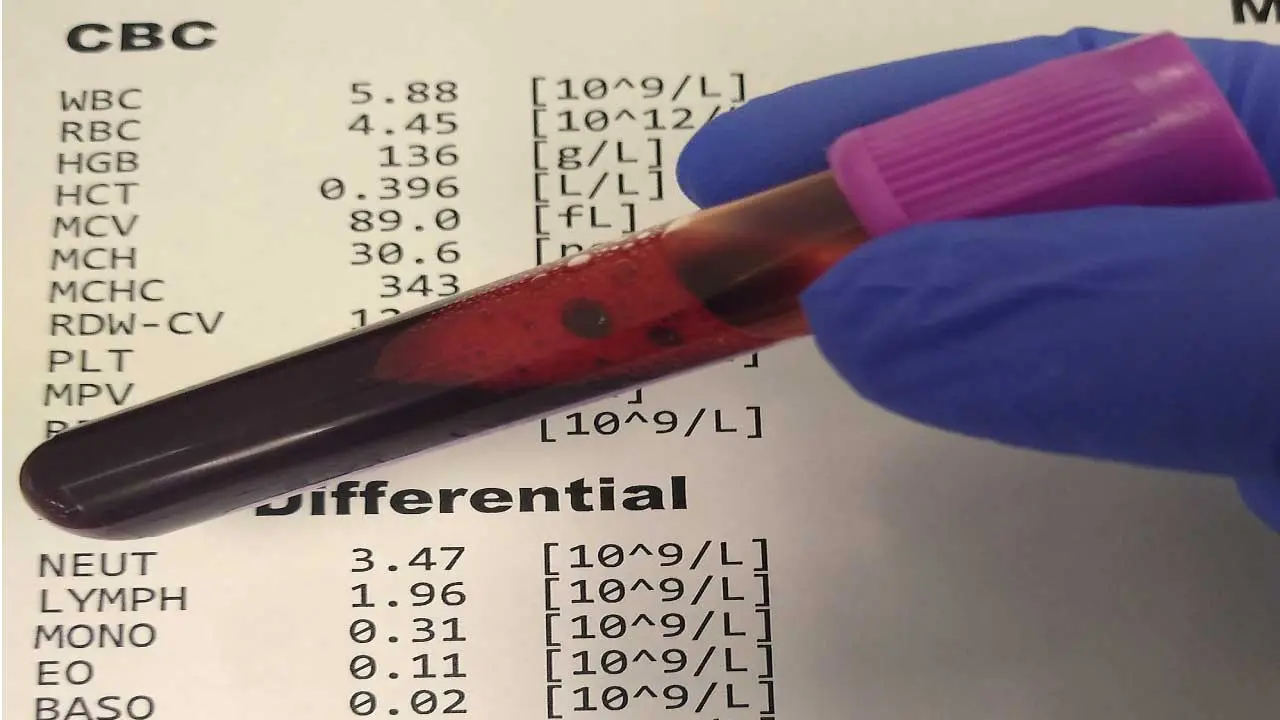
CBC with Differential and Other Reference Ranges
Reference ranges like complete blood count (CBC) with differential are important because they provide a baseline for interpreting laboratory test results.
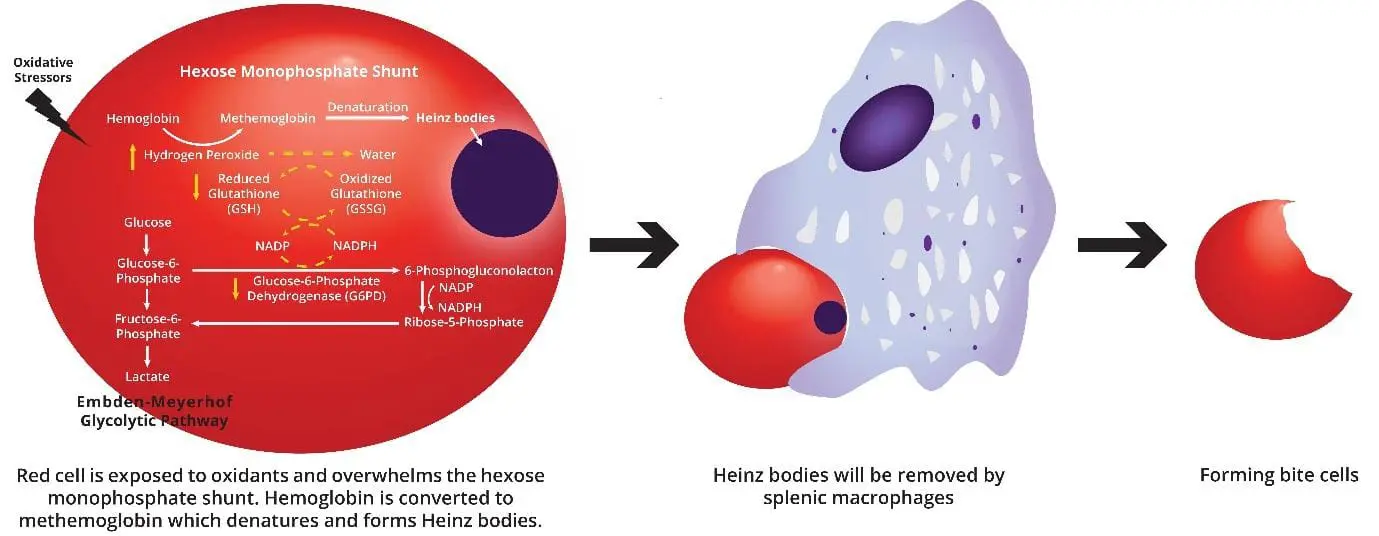
Glucose-6-phosphate dehydrogenase (G6PD) deficiency
G6PD deficiency is a common inherited blood disorder that can cause your red blood cells to break down when exposed to certain foods, drugs, or infections.
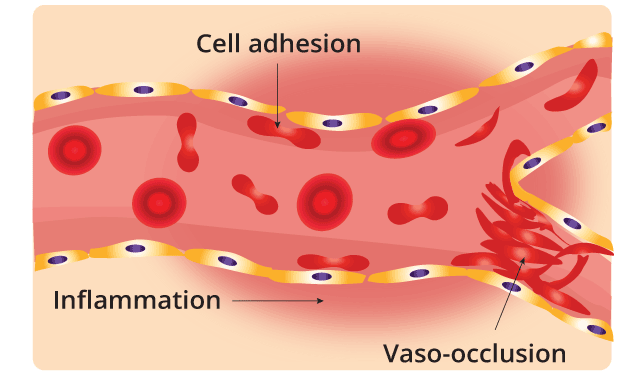
Sickle Cell Disease
Sickle cell disease is a blood disorder that causes red blood cells to be sickle-shaped and less flexible. This can lead to blockages in blood vessels, pain, and organ damage.
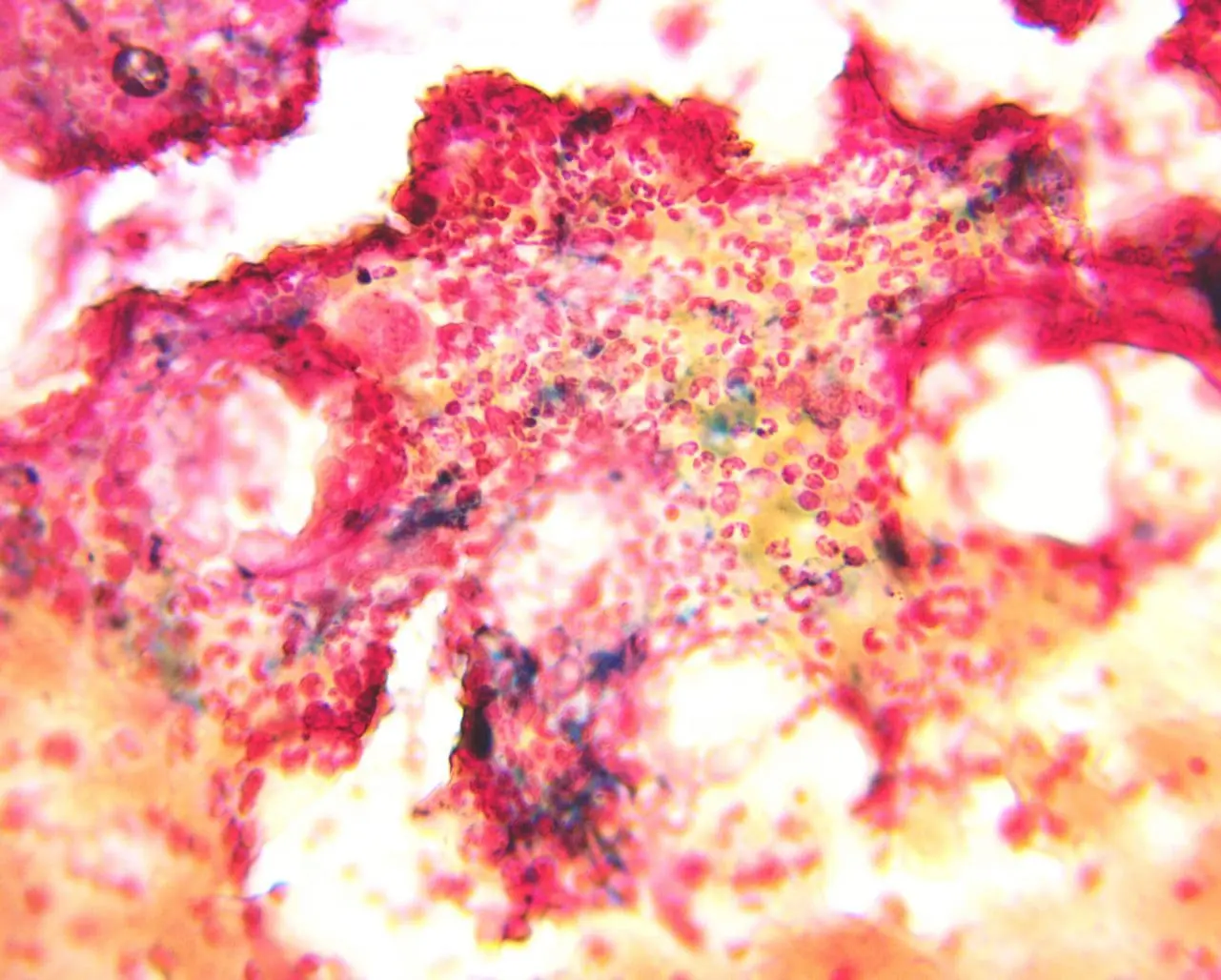
Perls’ Prussian Blue Staining
Perls’ Prussian blue stain helps in identifying presence of iron stores in the bone marrow aspirate smear.