
White Blood Cells
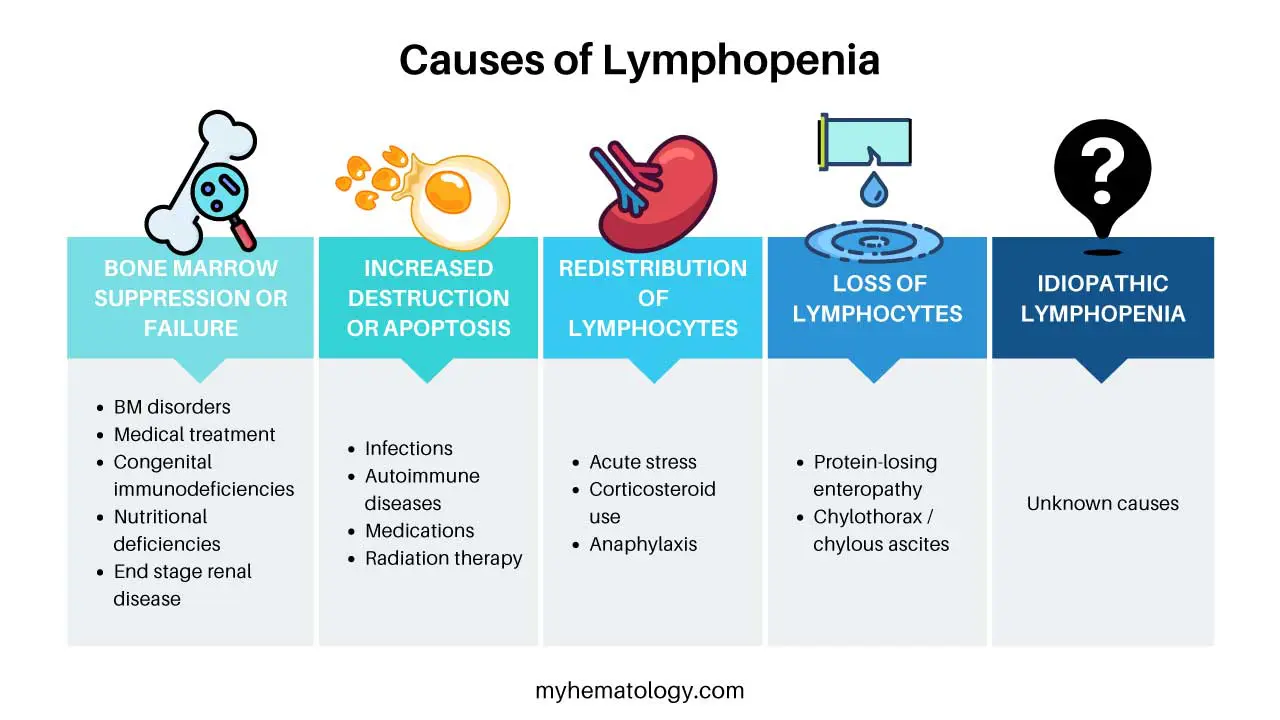
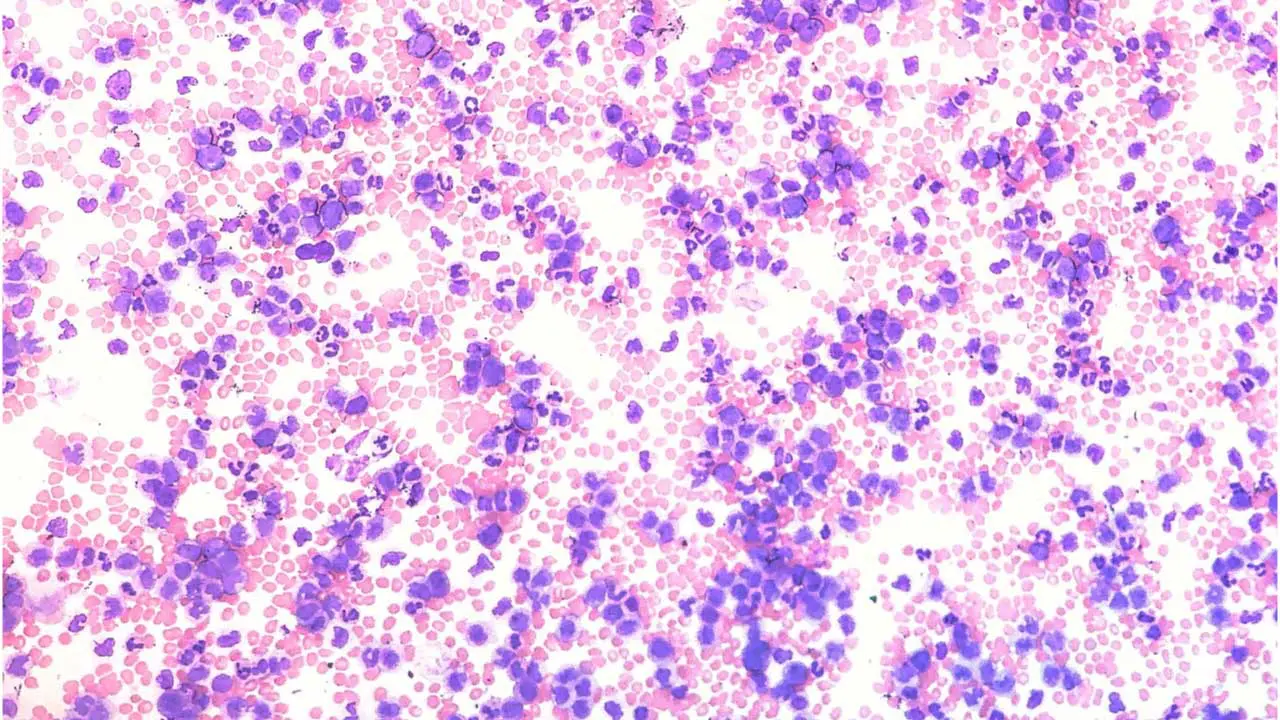
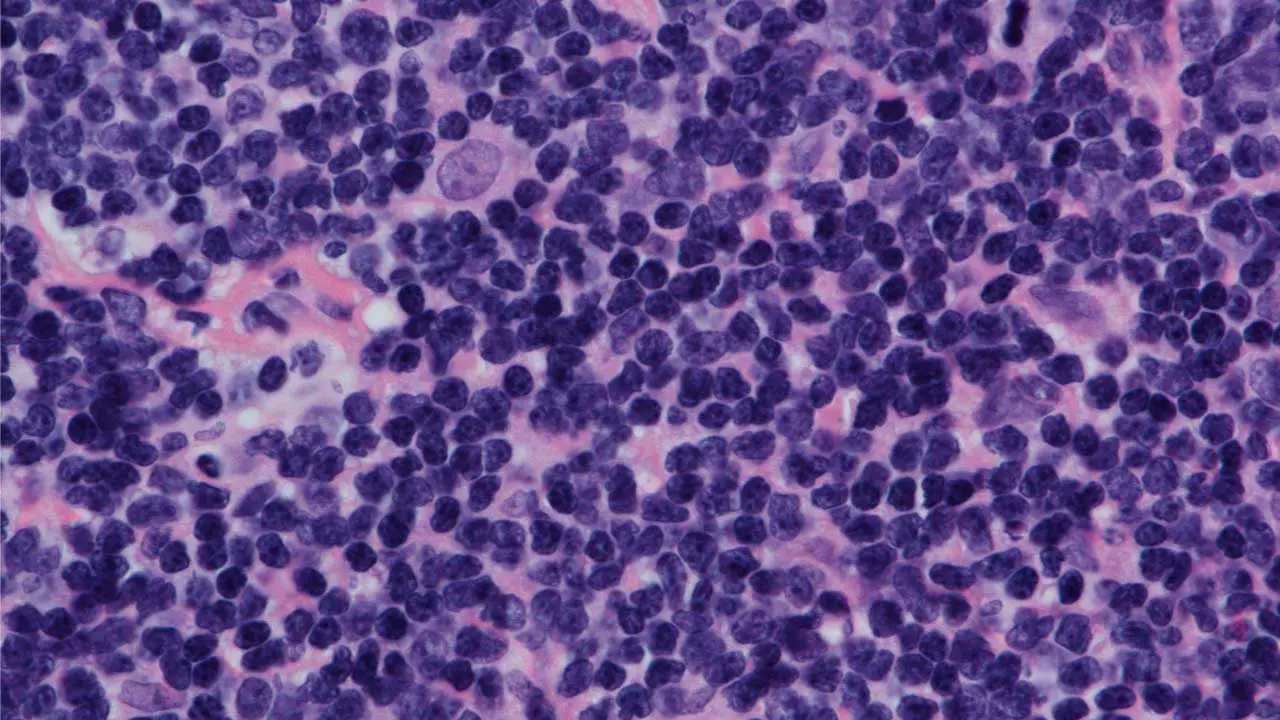
Mantle Cell Lymphoma (MCL Disease)
Explore the essentials of Mantle Cell Lymphoma (MCL). Learn about its unique genetic features, diagnosis, and current treatment strategies.
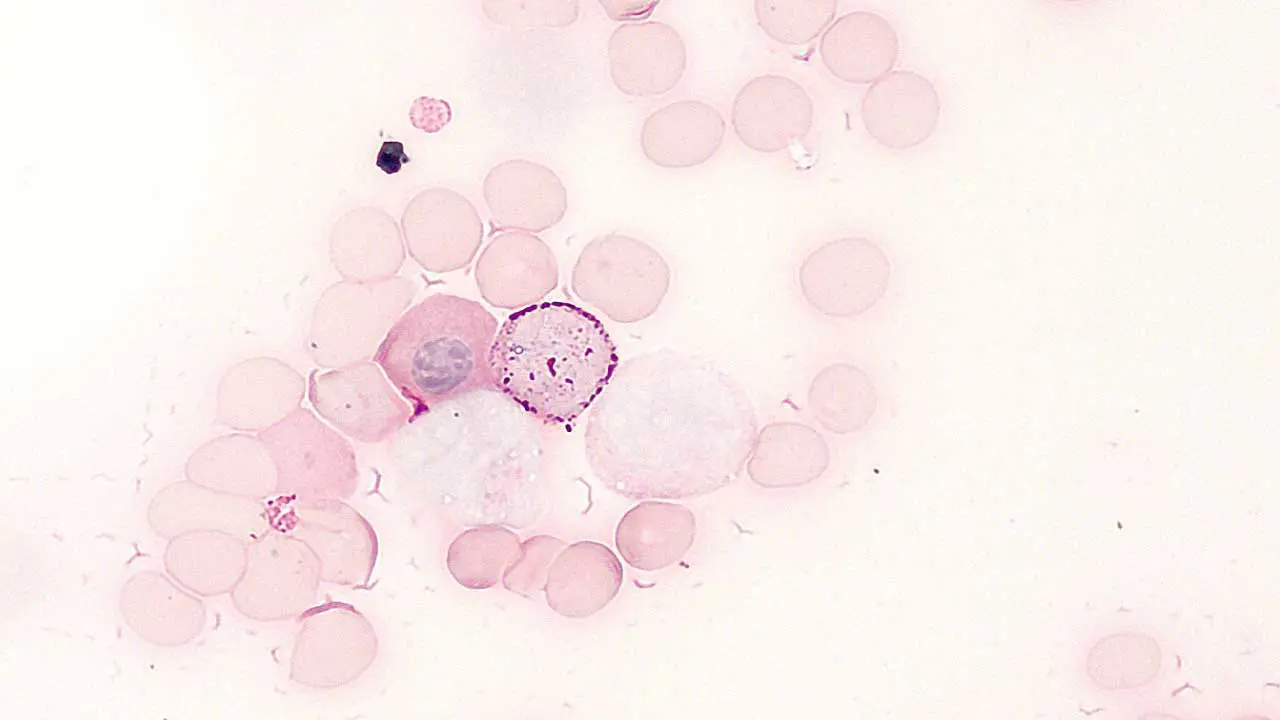
Periodic Acid Schiff Stain (PAS Staining)
PAS stain is a histochemical technique that utilizes periodic acid-Schiff (PAS) reagent to detect and visualize carbohydrate-rich structures in cells and tissues, such as glycogen, glycoproteins, and mucins.
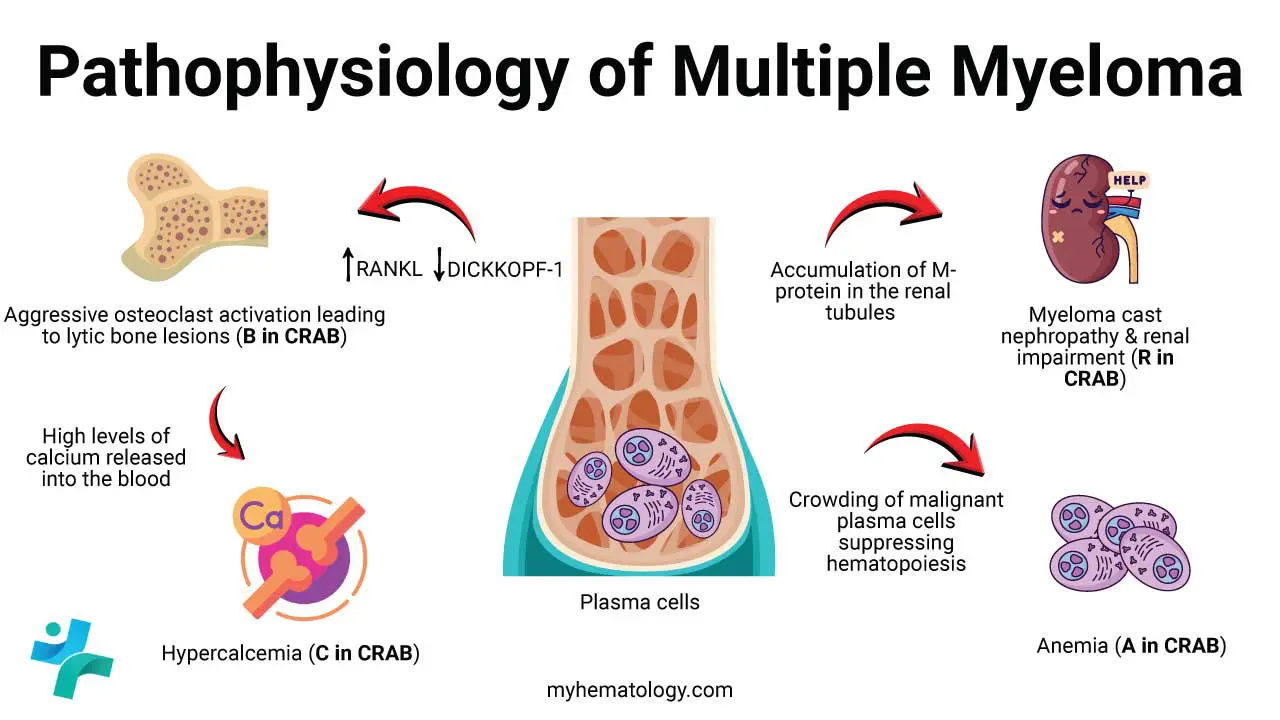
Multiple Myeloma
Multiple myeloma (MM) is a blood cancer that affects plasma cells. Plasma cells produce antibodies that help fight infection. In MM, plasma cells become abnormal and grow uncontrollably. This can lead to bone pain, anemia, and other complications.
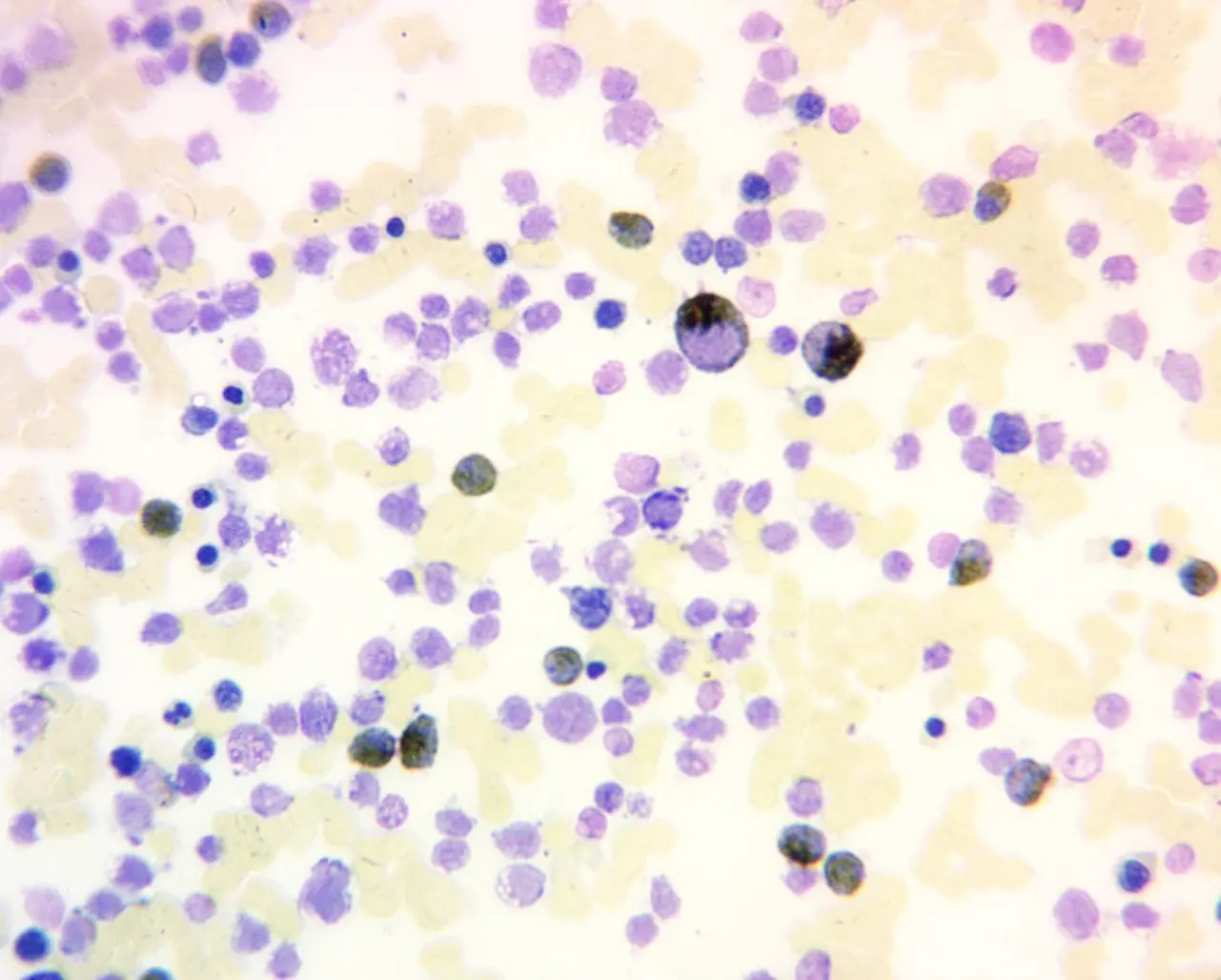
Myeloperoxidase Reaction (MPO) Stain
A stain mainly used to differentiate AML from ALL and gives a bluish to brownish tinge in cells with lysosomal enzyme.
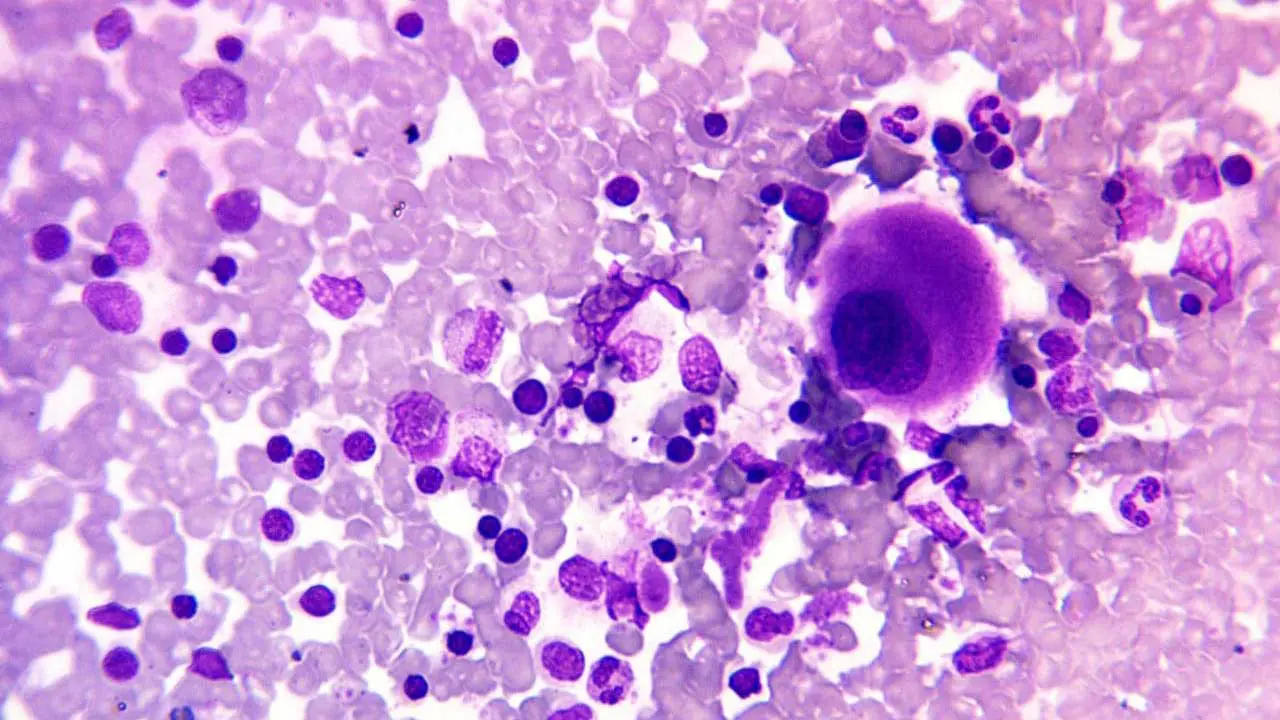
May-Grünwald Giemsa (MGG) Stain
May-Grünwald Giemsa (MGG) stain is an intense Romanovsky stain to help with the visualisation of bone marrow smears.
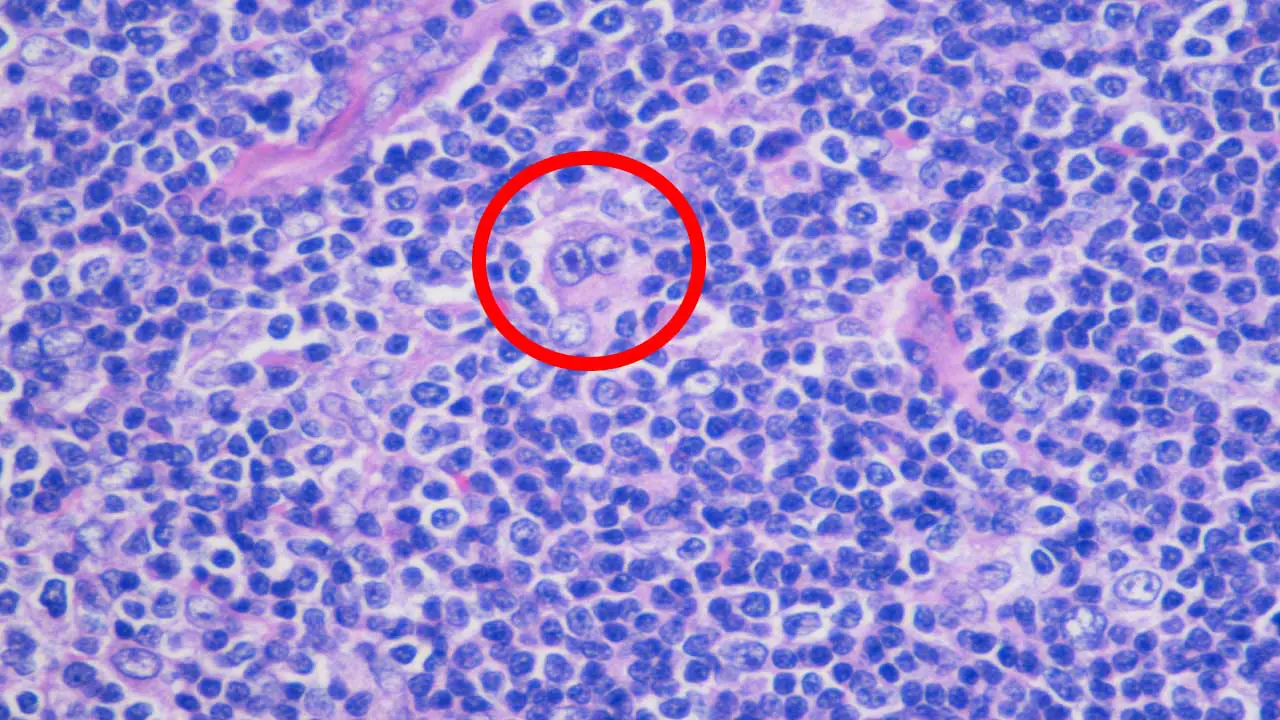
Hodgkin Lymphoma (Hodgkin’s Disease) & Reed-Sternberg Cells
Hodgkin lymphoma is a type of cancer that affects the lymphatic system, and is characterized by the presence of large, abnormal lymphocytes called Reed-Sternberg cells.
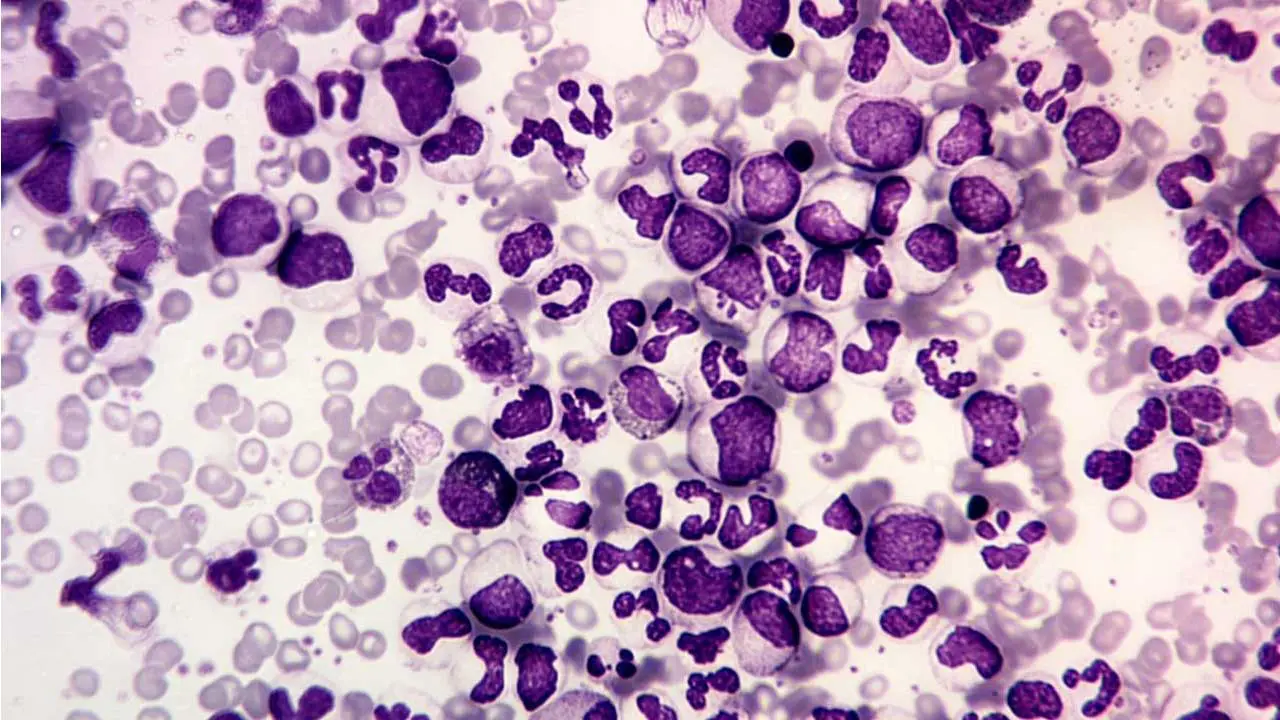
Chronic Myeloid Leukemia or CML
Chronic myeloid leukemia (CML) is a cancer of the blood cells that begins in the bone marrow. It is caused by a genetic abnormality that results in the production of too many white blood cells.