
Lab Protocols
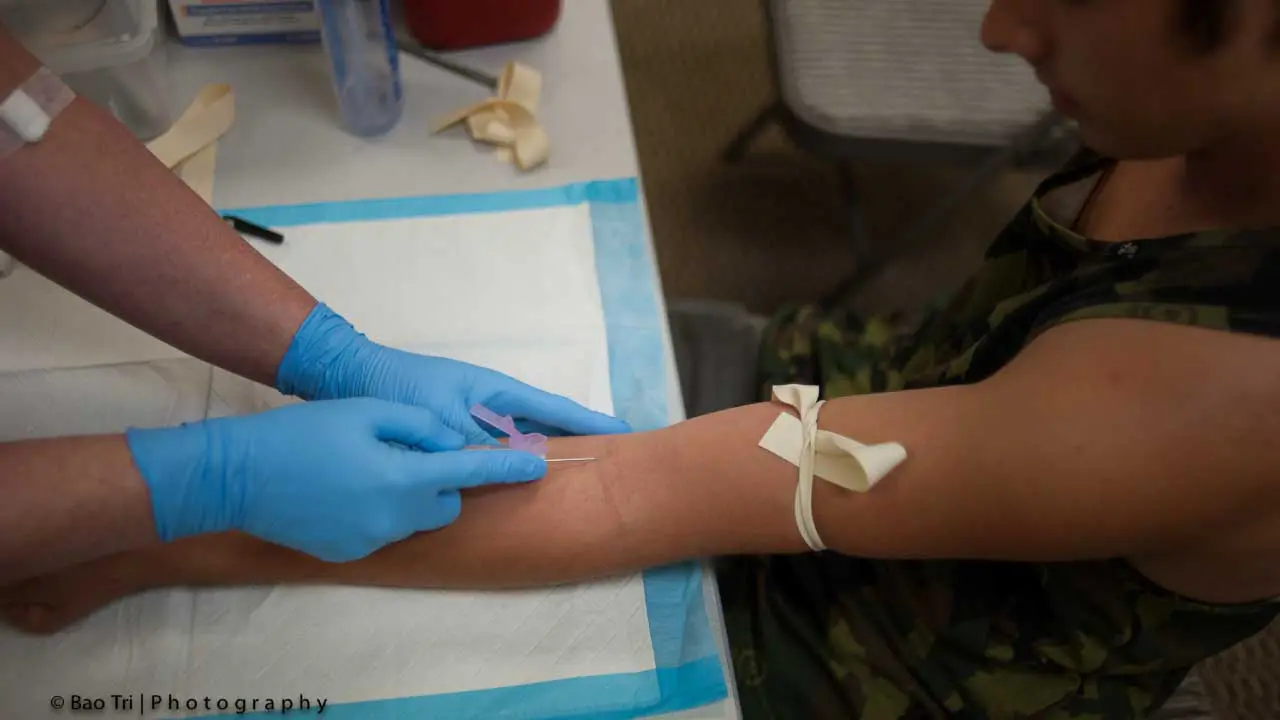
Phlebotomy Procedure: Best Practices & Venipuncture
Phlebotomy involves drawing blood using a needle from a vein in the arm. To ensure patient comfort and accurate results, a skilled phlebotomist locates a vein, disinfects the area, inserts a needle, collects blood, and then removes the needle and applies pressure.
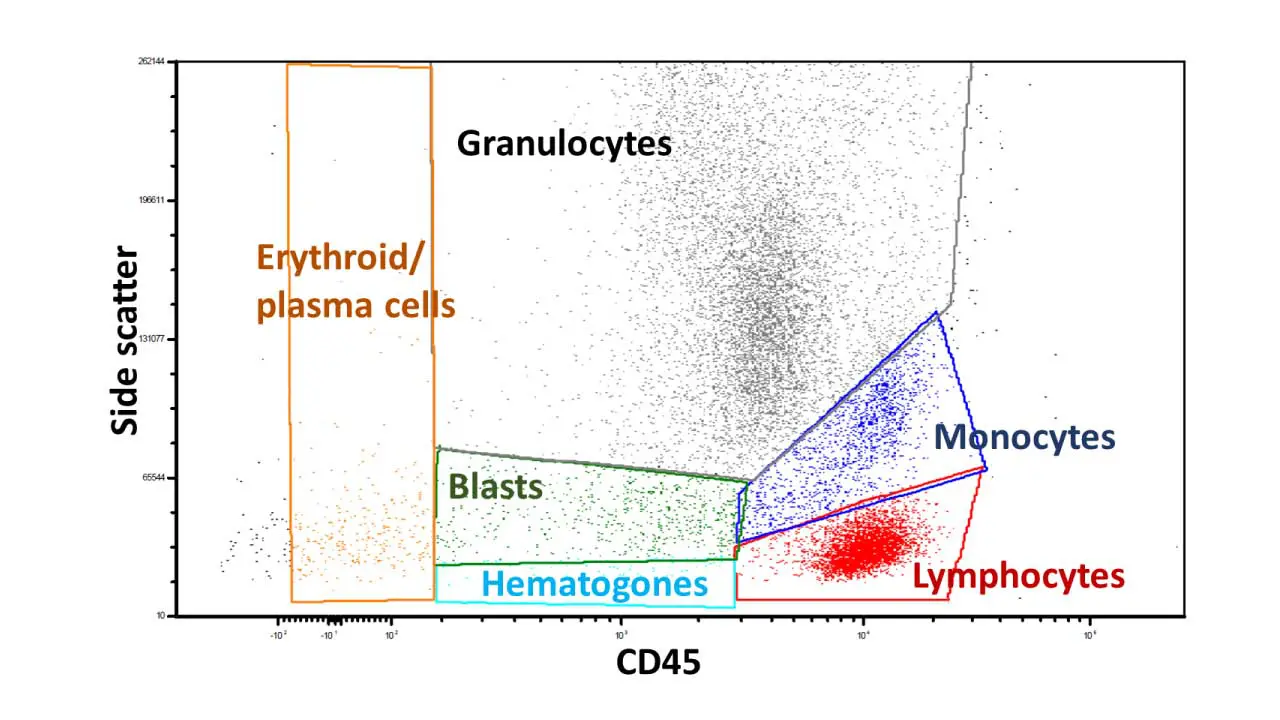
Flow Cytometry Immunophenotyping of Blood
Blood cells stained with fluorescent antibodies reveal hidden markers, like a cellular fingerprint. Flow cytometry analyzes millions of cells, painting a detailed picture of immune health, disease clues, and treatment insights.
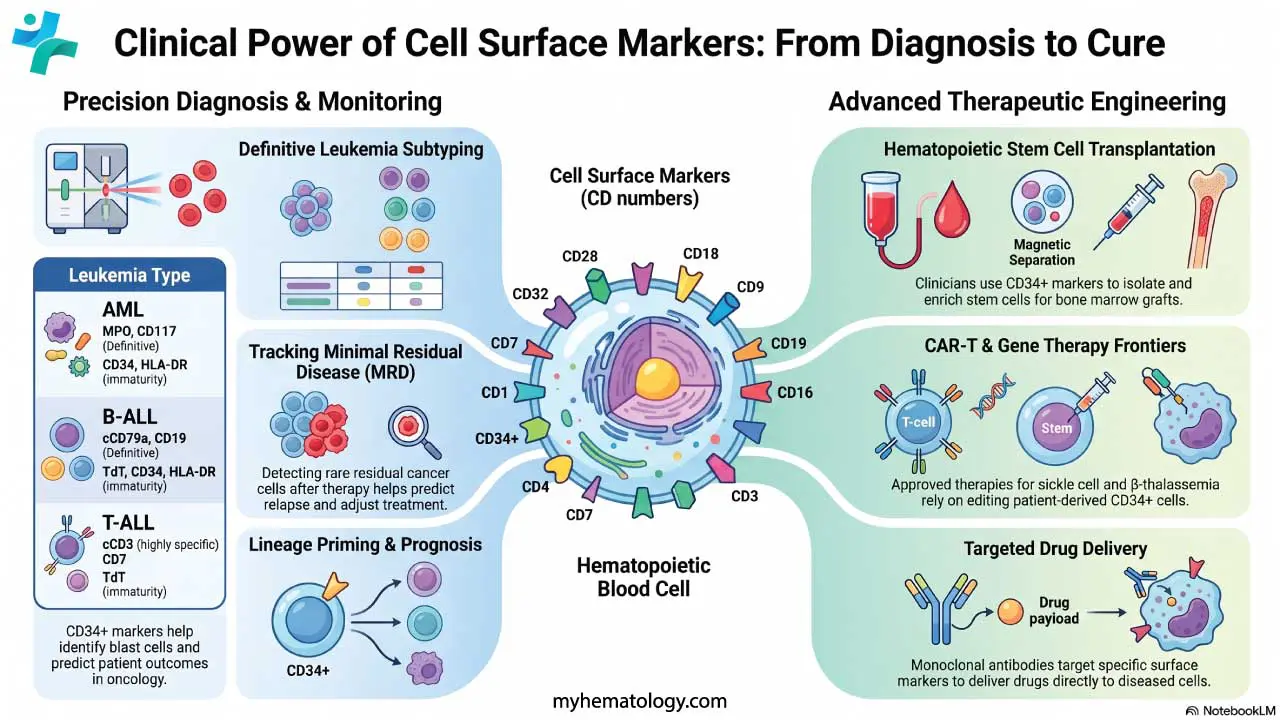
Hematopoietic cell surface markers (CD34 and more)
Explore hematopoietic cell markers & CD34: identification, functions, flow cytometry, and clinical uses in hematology and leukemia.
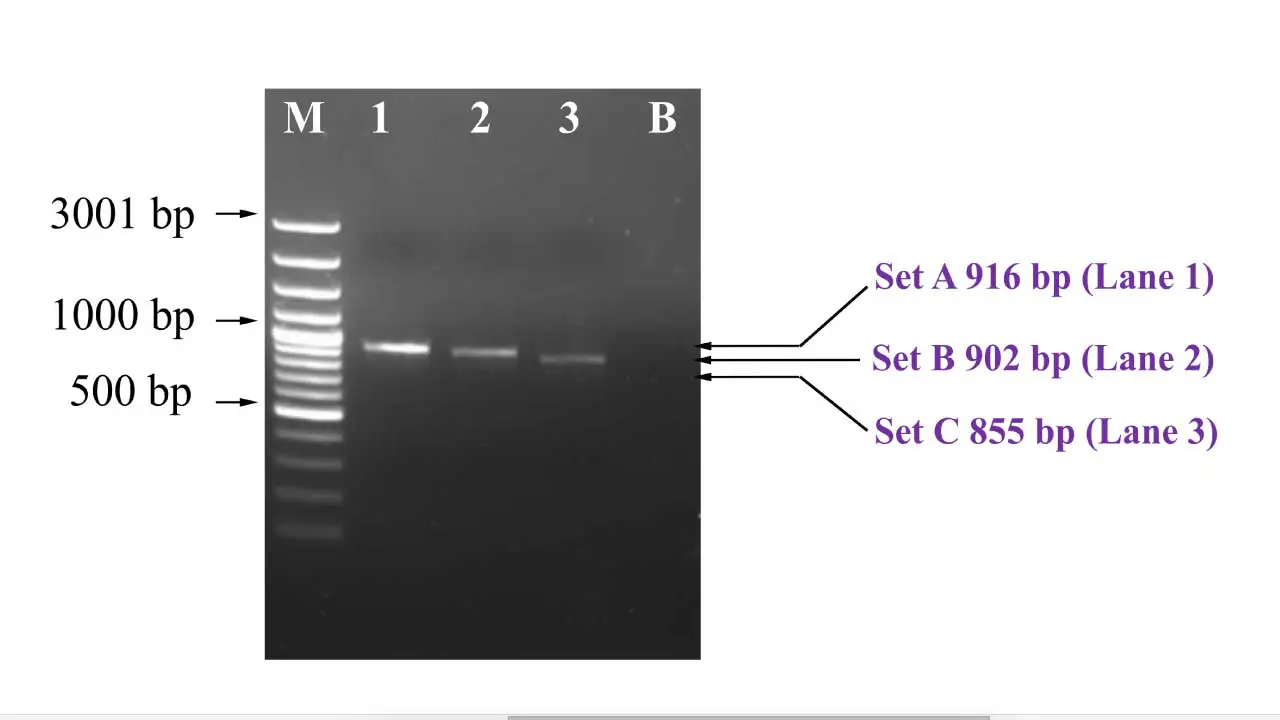
Agarose Gel Electrophoresis Preparation for PCR
Agarose gel electrophoresis: where we separate and visualize amplified DNA fragments.
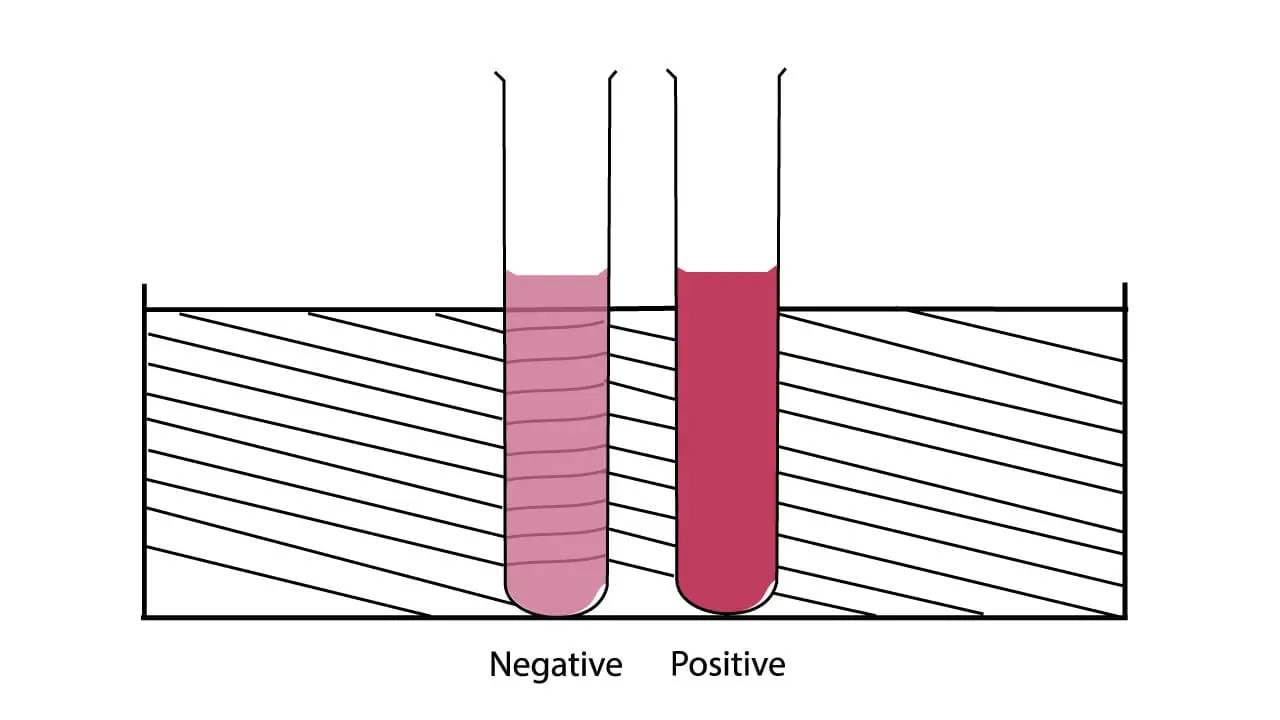
Sickle Cell Disease Test
Explore the Sickle Cell Disease Test: a vital lab protocol for detecting sickle cell disease. Learn its principle, procedure, and result interpretation.
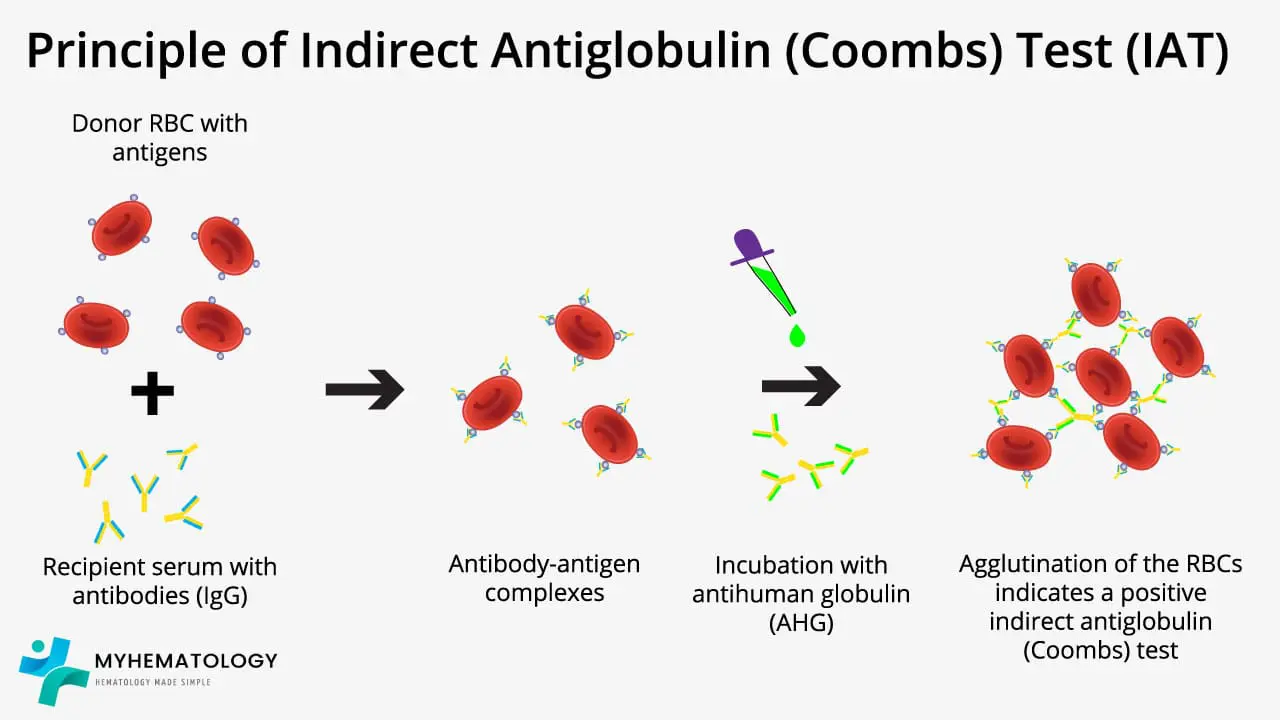
Indirect Antiglobulin (Coombs) Test (IAT)
Indirect Coombs test (IAT) procedure detects antibodies in serum, ensuring safe transfusions & diagnosing immune disorders.
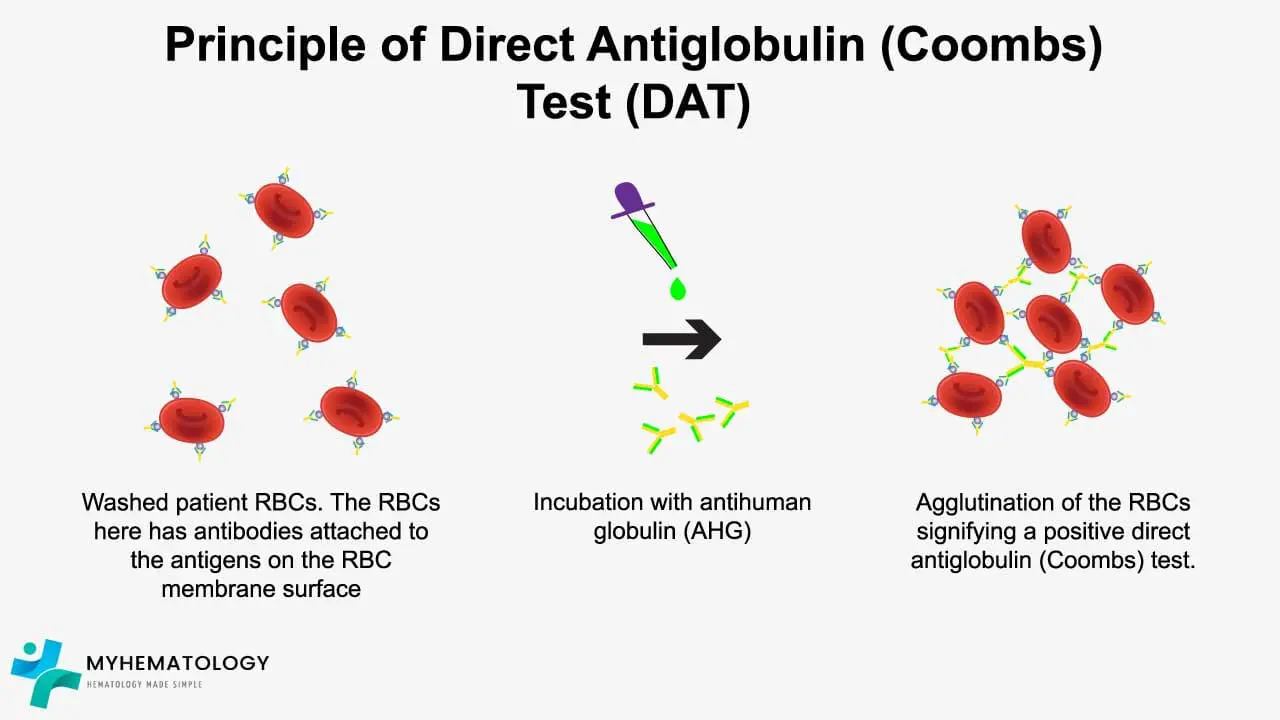
Direct Antiglobulin (Coombs) Test (DAT)
To detect the presence of antibodies or complement proteins bound to red blood cells (RBCs) in vivo, indicating potential immune-mediated hemolysis.