
White Blood Cells
Chediak-Higashi Syndrome
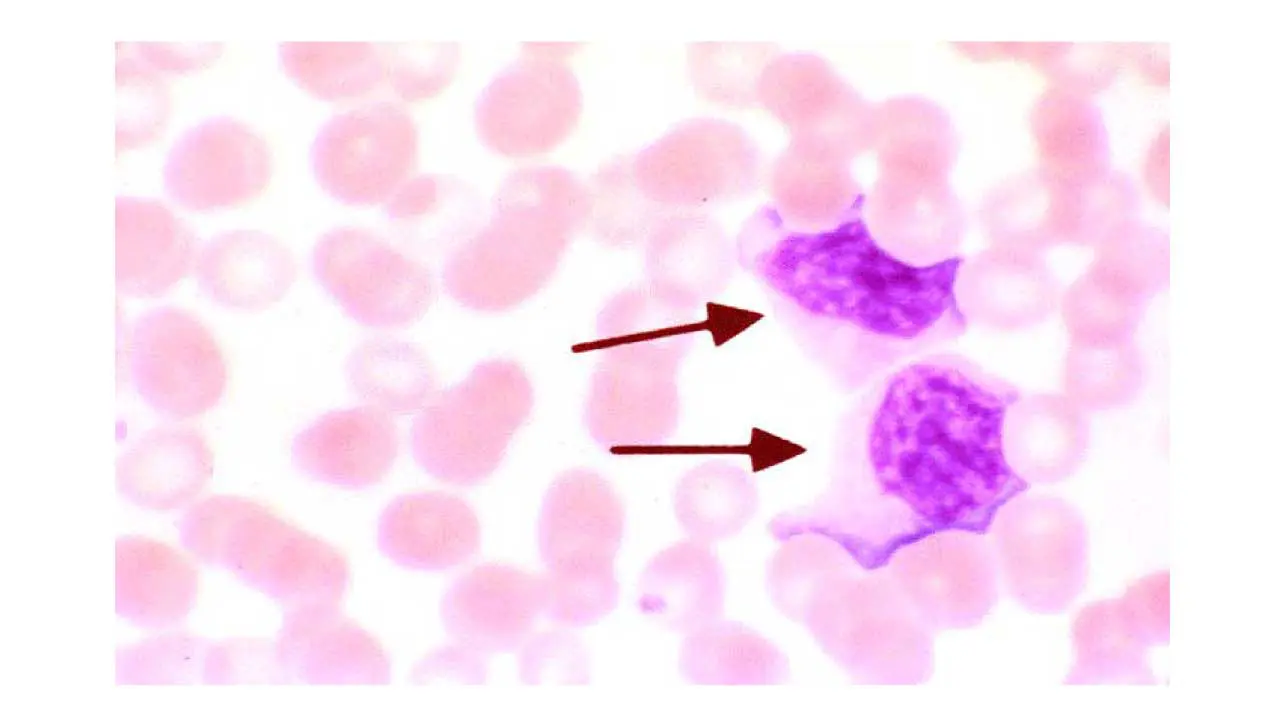
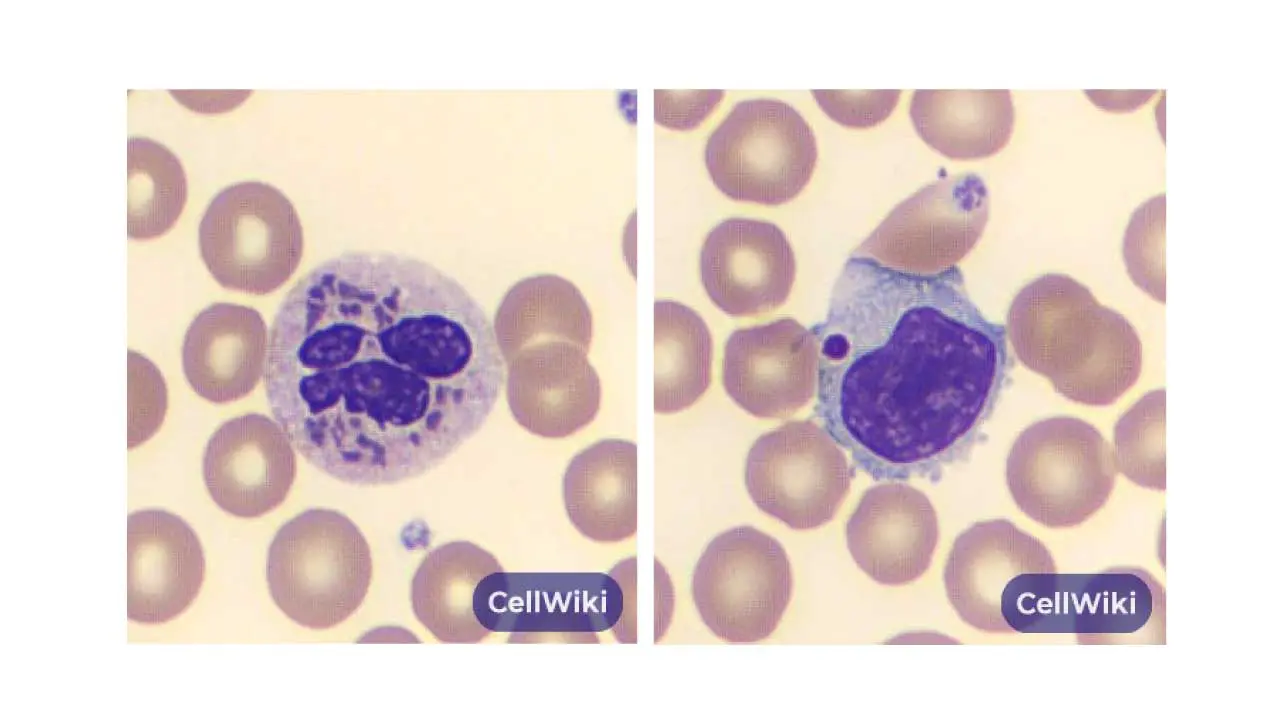
Chediak-Higashi syndrome (CHS) is a rare genetic disorder characterized by oculocutaneous albinism, immune deficiency, and neurological decline.
Essential Thrombocythemia (ET)
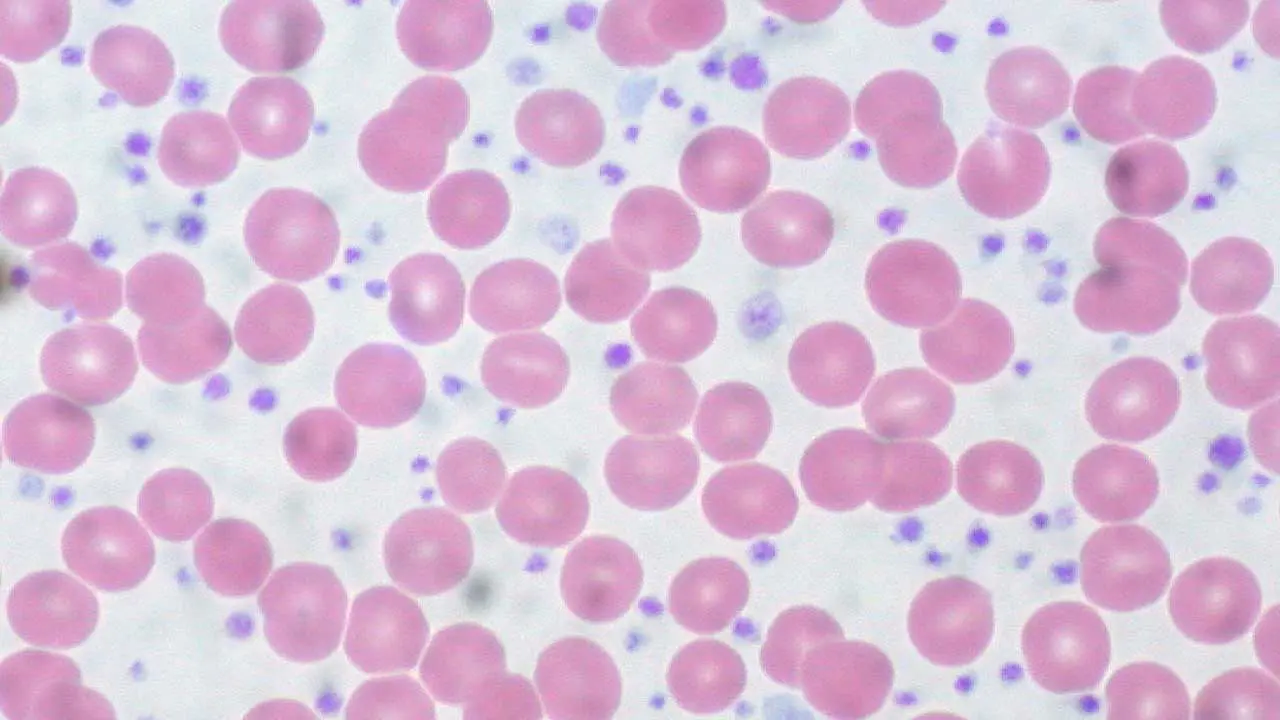
Essential thrombocythemia (ET) is a chronic myeloproliferative neoplasm (MPN) characterized by an abnormal increase in platelet production by the bone marrow.
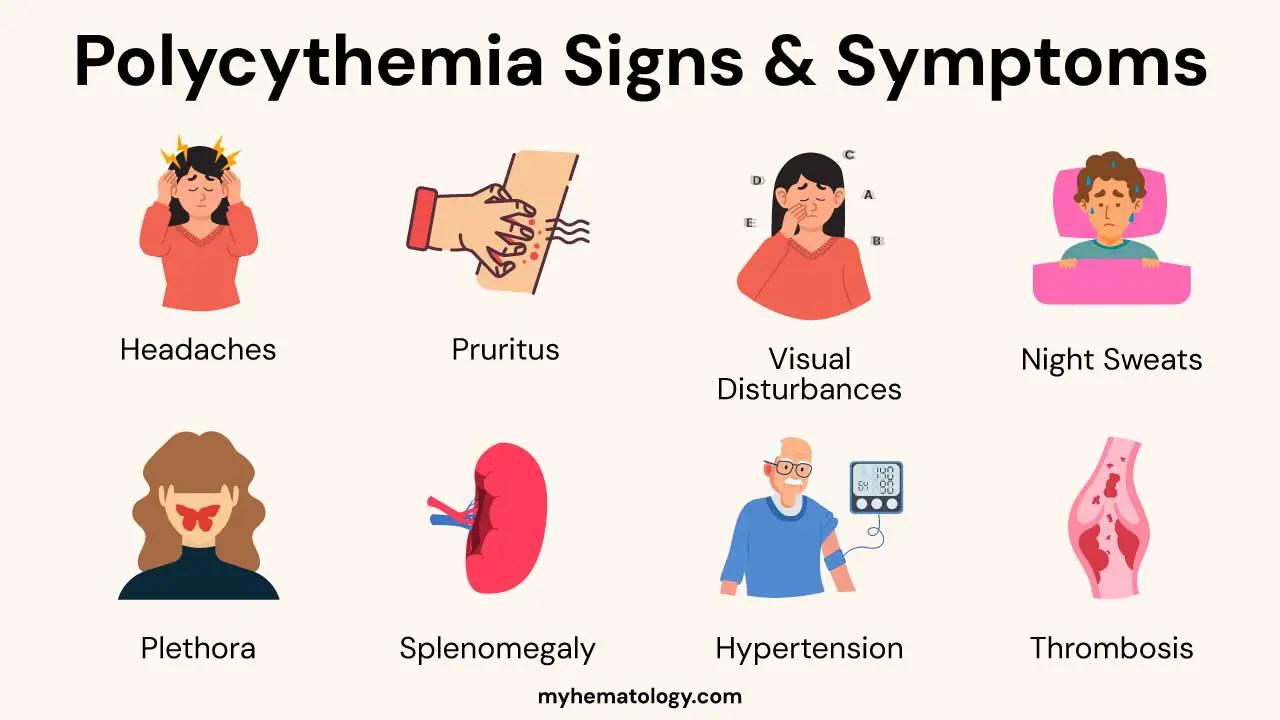
Polycythemia Vera
Polycythemia vera is a rare blood cancer where the bone marrow makes too many red blood cells, thickening blood and raising clot risks.
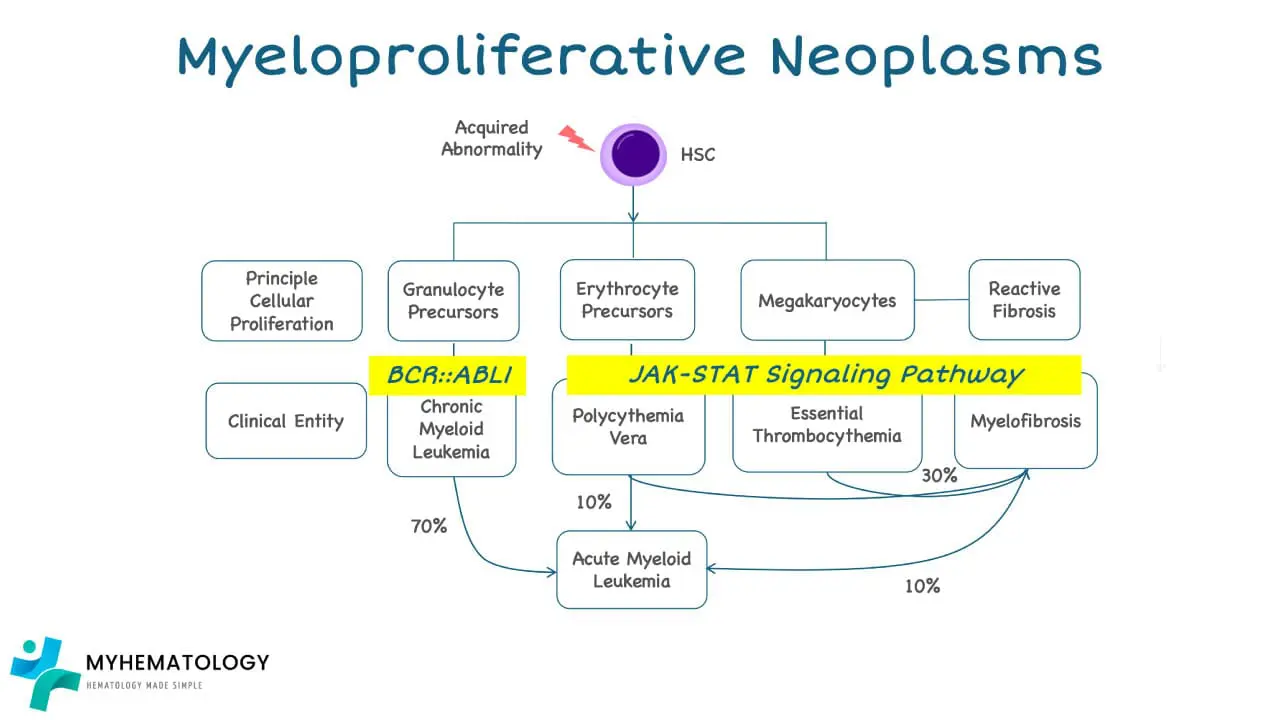
Myeloproliferative Neoplasms (MPNs)
Myeloproliferative neoplasms (MPNs) are blood cancers causing overproduction of blood cells. They can be chronic and require monitoring, with some risk of transforming to leukemia. Early diagnosis is key.
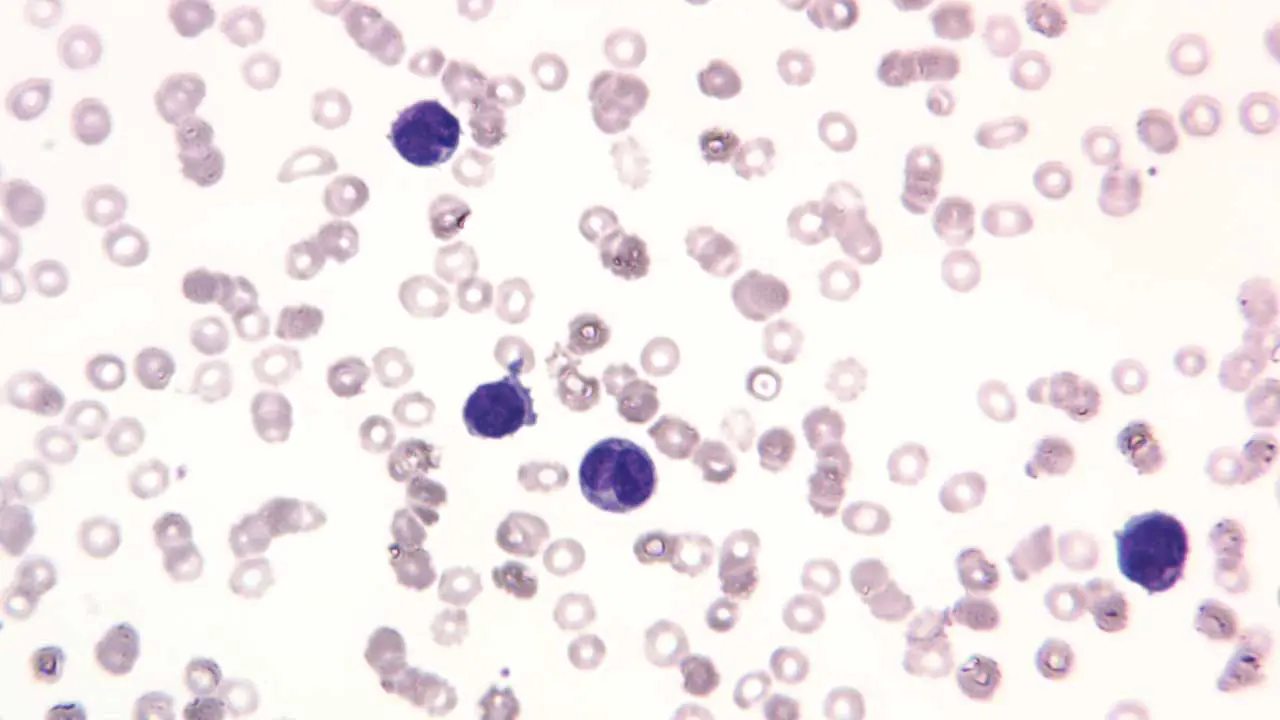
Leukemia: An Overview
Leukemia: Hematopoietic malignancy affecting blood cell production, presenting with cytopenias, blasts in peripheral blood, and requiring prompt diagnosis & treatment.
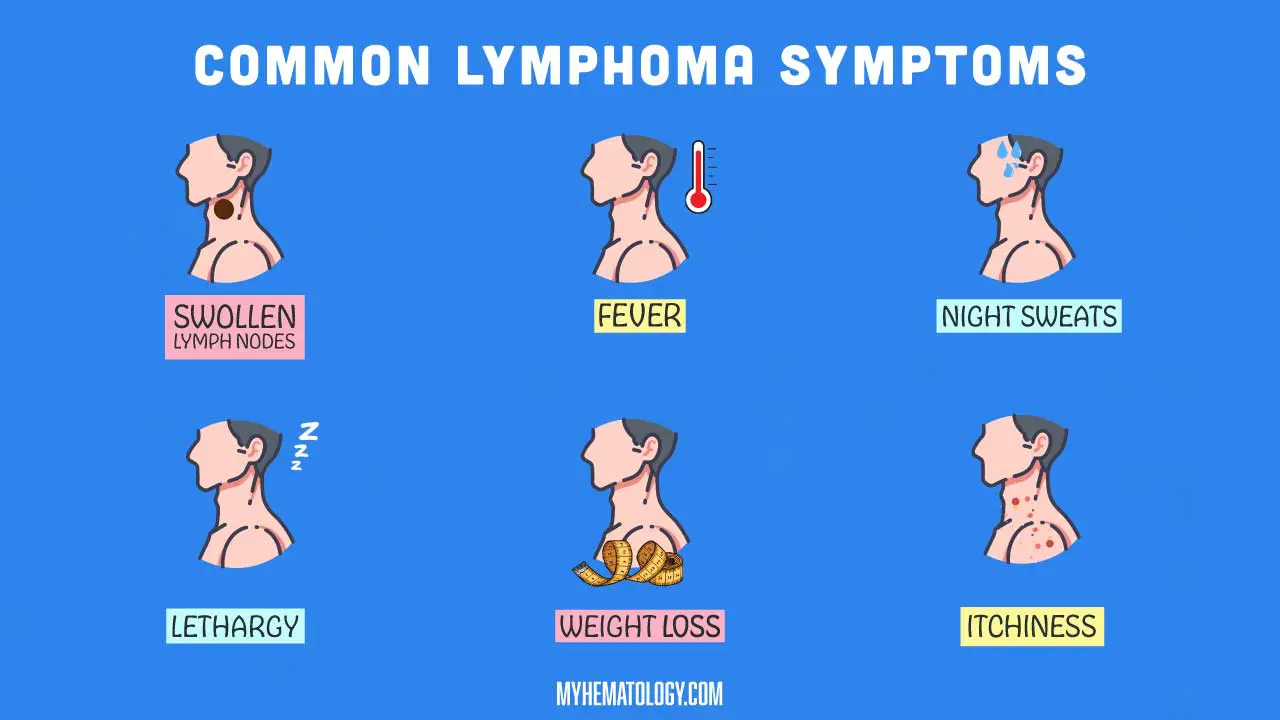
Lymphoma
Lymphoma: Diverse malignancies of lymphocytes. Hodgkin’s & Non-Hodgkin’s subtypes present with swollen nodes, fever, night sweats, fatigue.
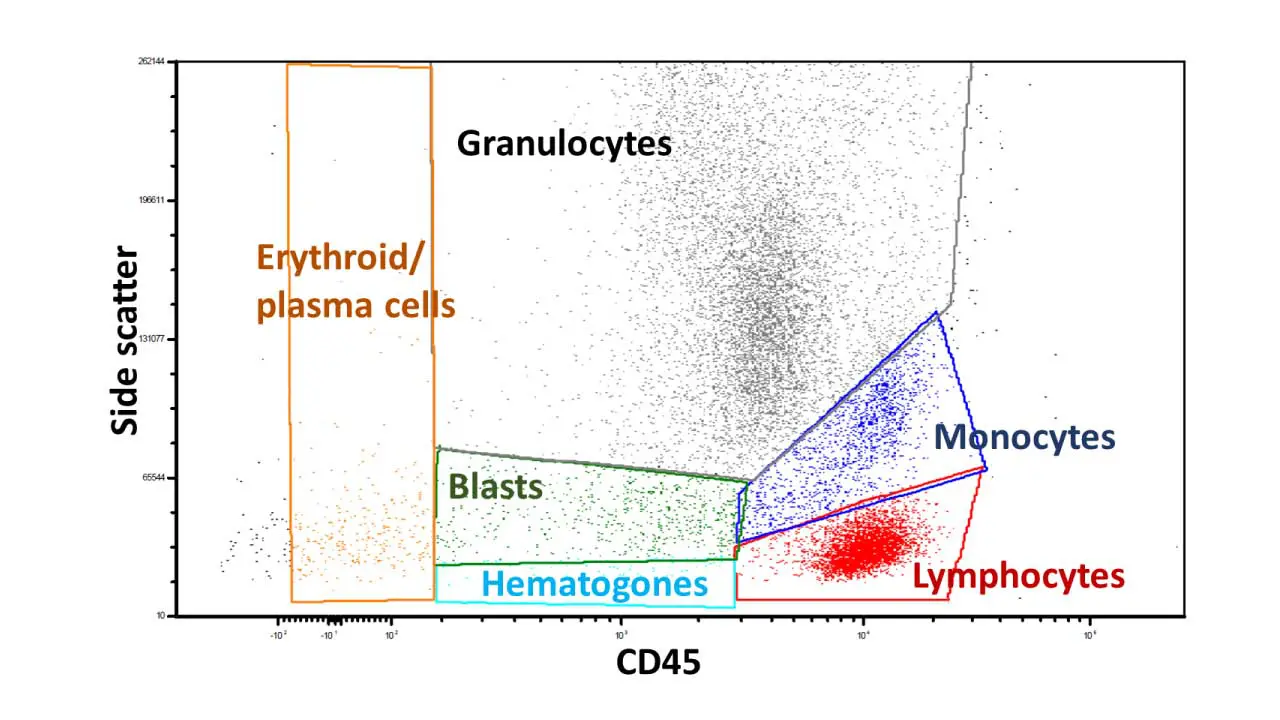
Flow Cytometry Immunophenotyping of Blood
Blood cells stained with fluorescent antibodies reveal hidden markers, like a cellular fingerprint. Flow cytometry analyzes millions of cells, painting a detailed picture of immune health, disease clues, and treatment insights.