
Red Blood Cells
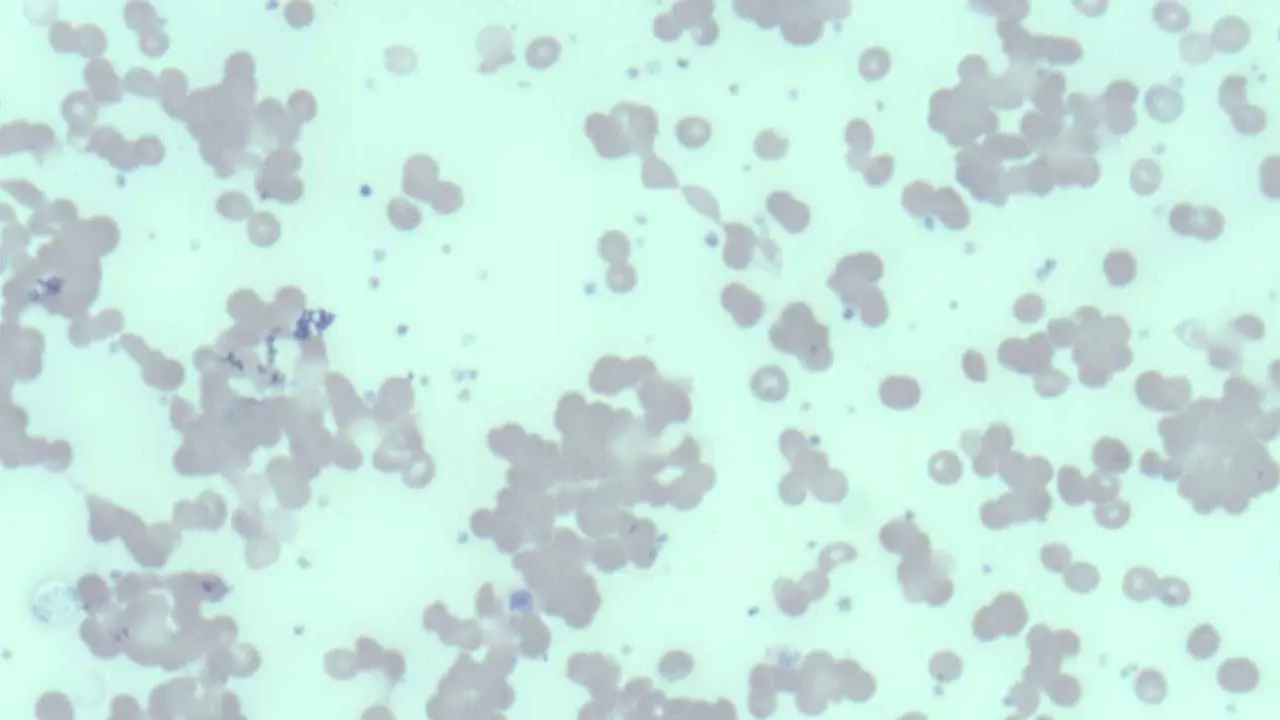
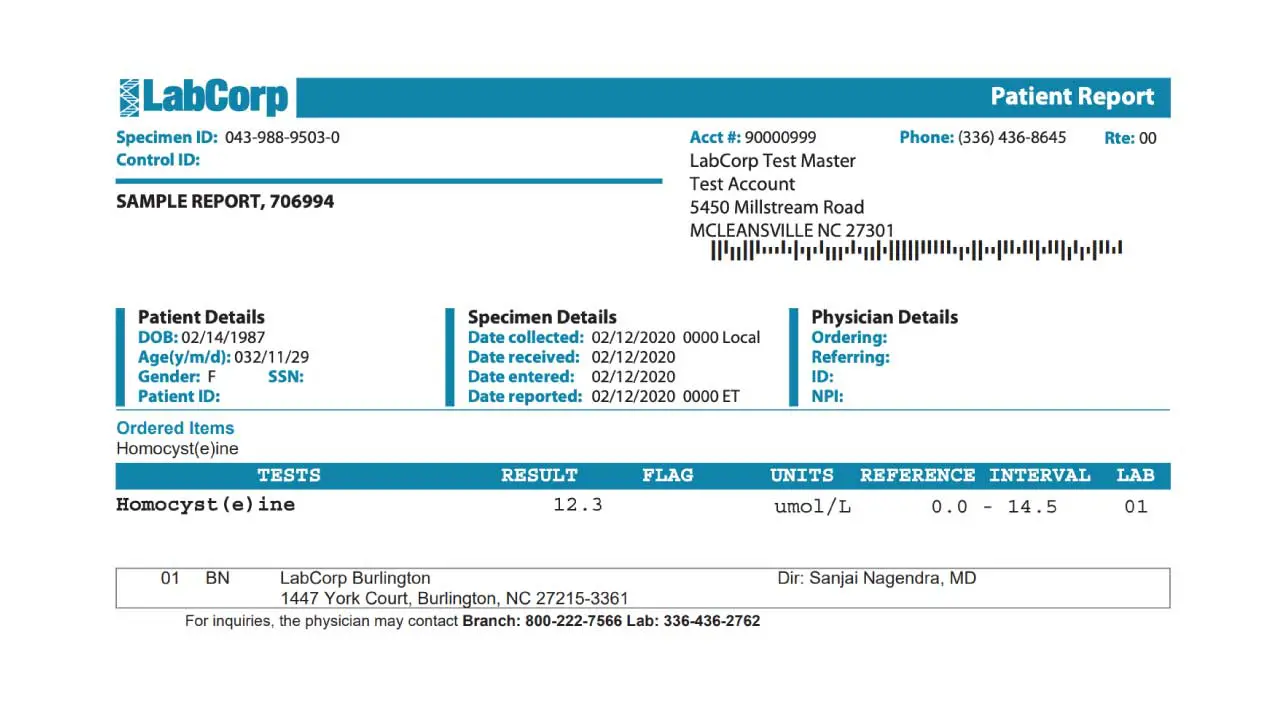
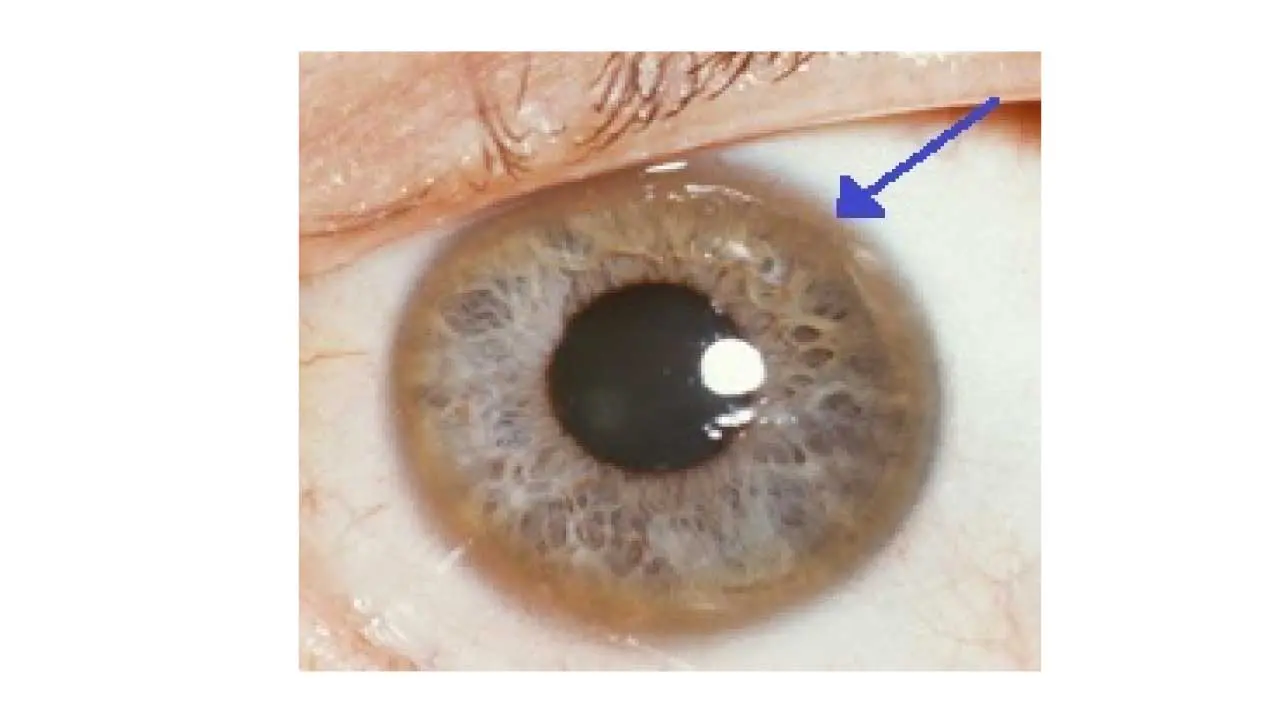
Wilson’s Disease
Wilson’s disease: A rare genetic disorder causing toxic copper buildup in the liver and brain. Early diagnosis and lifelong treatment are crucial.
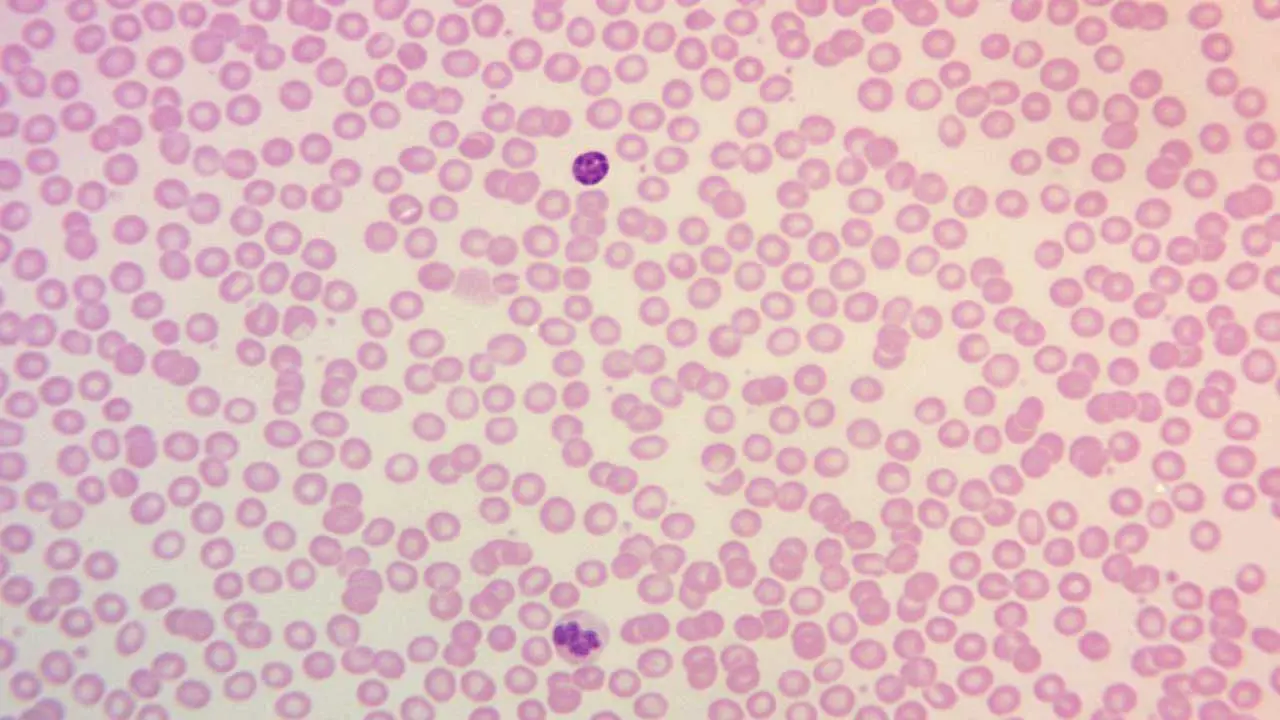
Leishman Stain for Peripheral Blood Smear
Leishman stain is used commonly for the identification of different cells present in the peripheral blood smear. It has acidic and basic properties.
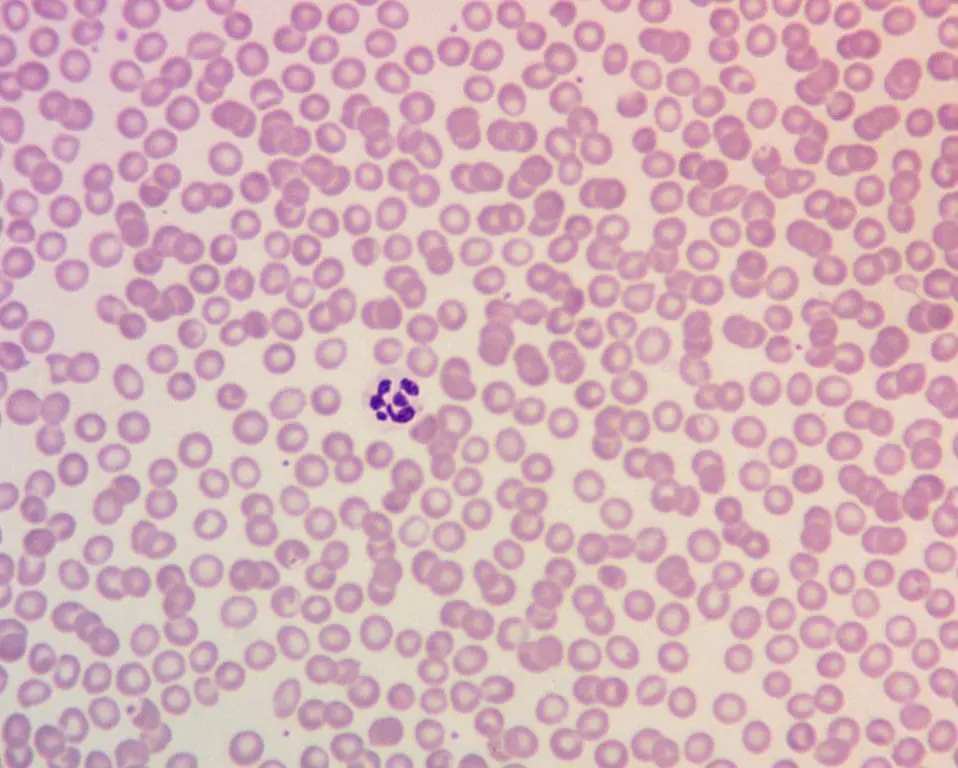
Megaloblastic Anemia
Megaloblastic anemia is a type of anemia caused by a deficiency of vitamin B12 or folate.
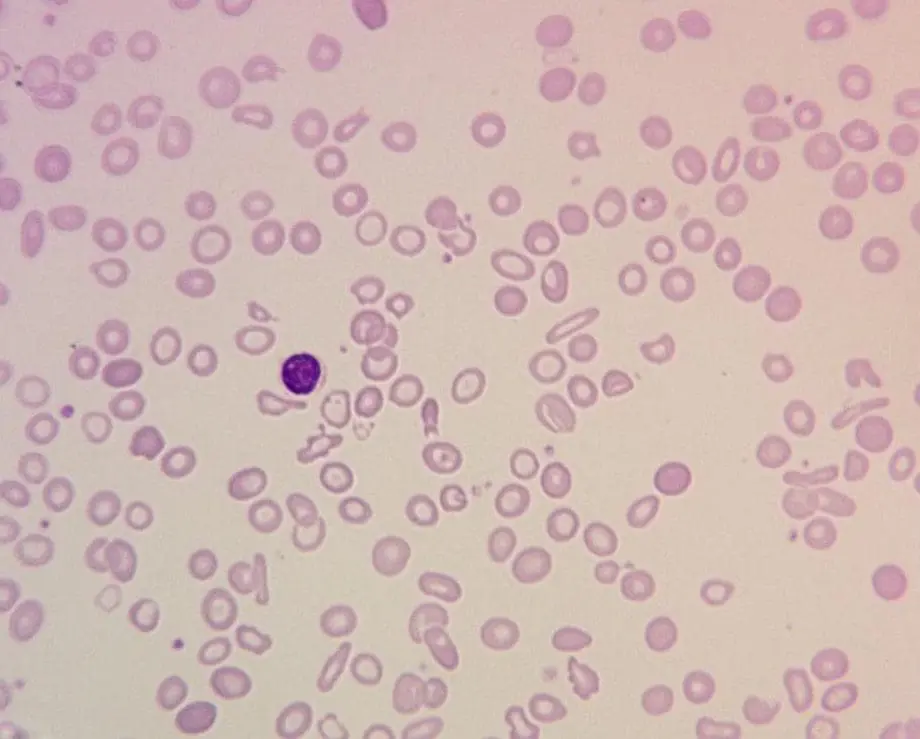
Iron Deficiency Anemia (IDA)
Iron deficiency anemia (IDA) is a common blood disorder caused by a lack of iron. Iron is essential for the production of hemoglobin, a protein in red blood cells that carries oxygen. IDA causes symptoms such as fatigue, pale skin, and shortness of breath.
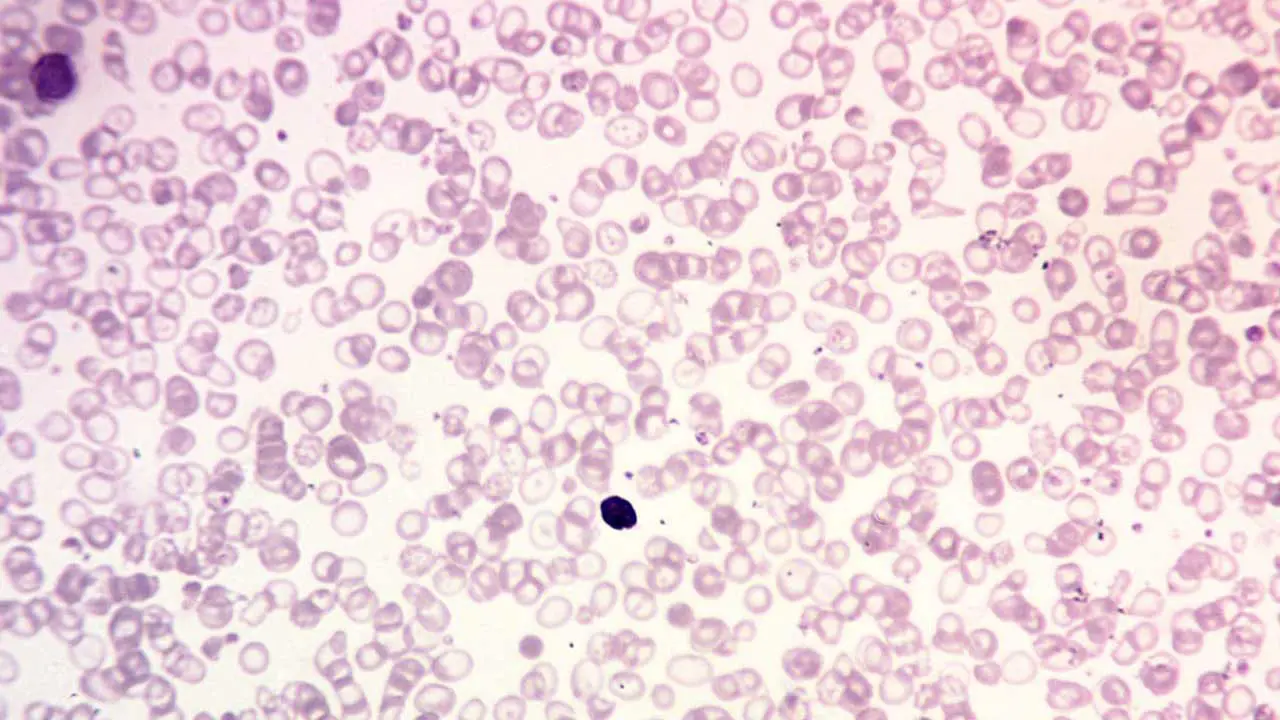
Beta-Thalassemia
Beta thalassemia is a blood disorder caused by a mutation in the gene that produces beta globin, a protein that helps red blood cells carry oxygen. People with beta thalassemia may have mild to severe anemia, and may need blood transfusions and other treatments.
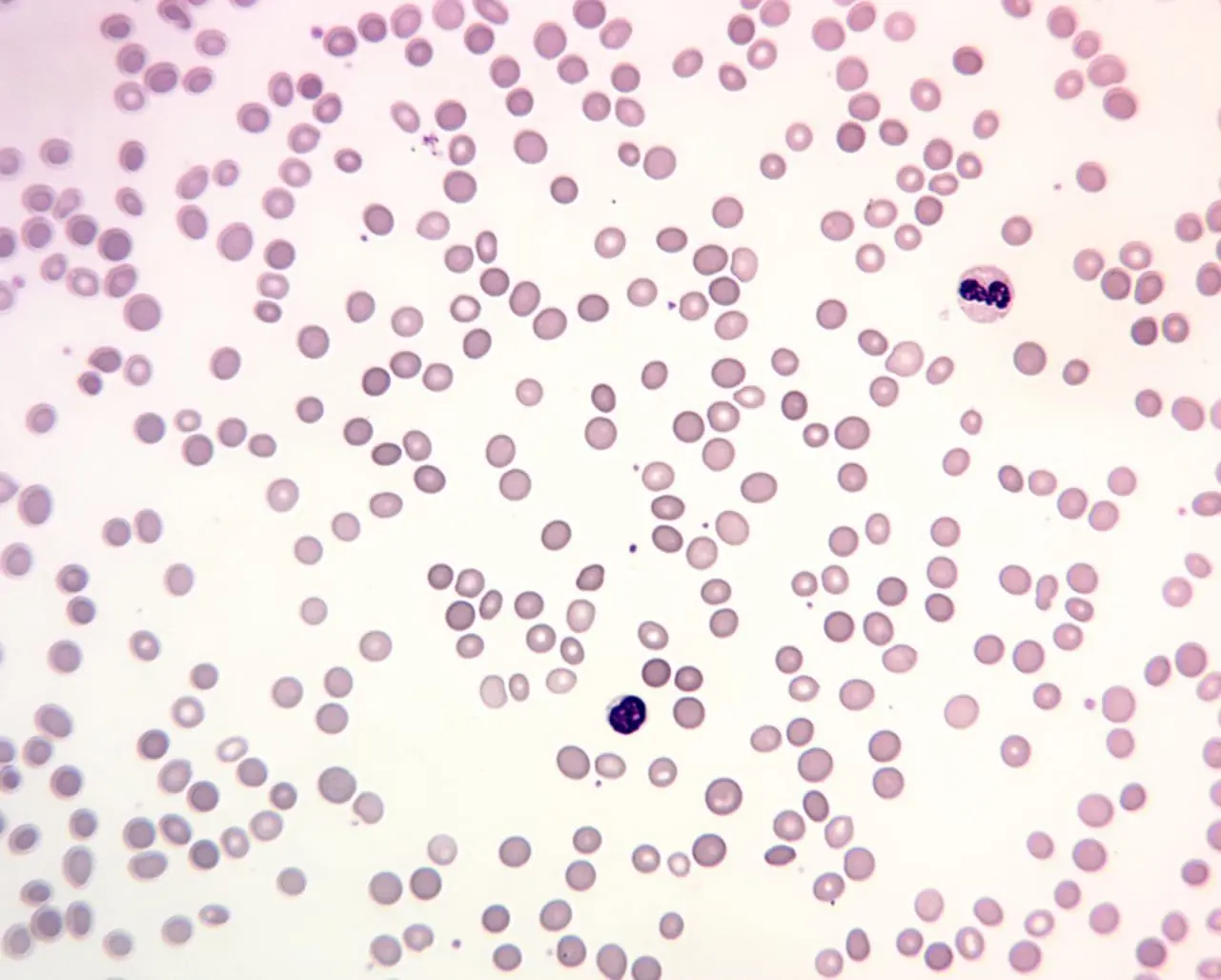
Hereditary Spherocytosis
Hereditary spherocytosis (HS) is a blood disorder that causes red blood cells to be sphere-shaped and less flexible. This makes them more likely to break down, leading to anemia.