
White Blood Cells
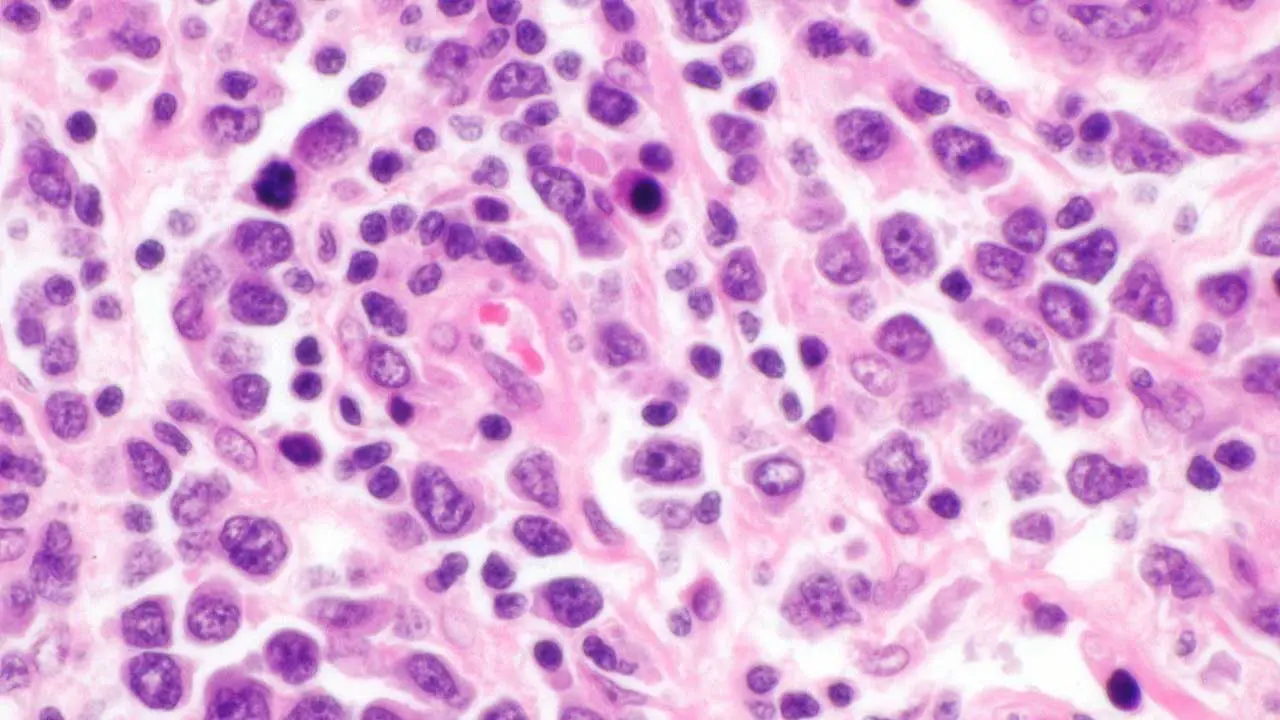
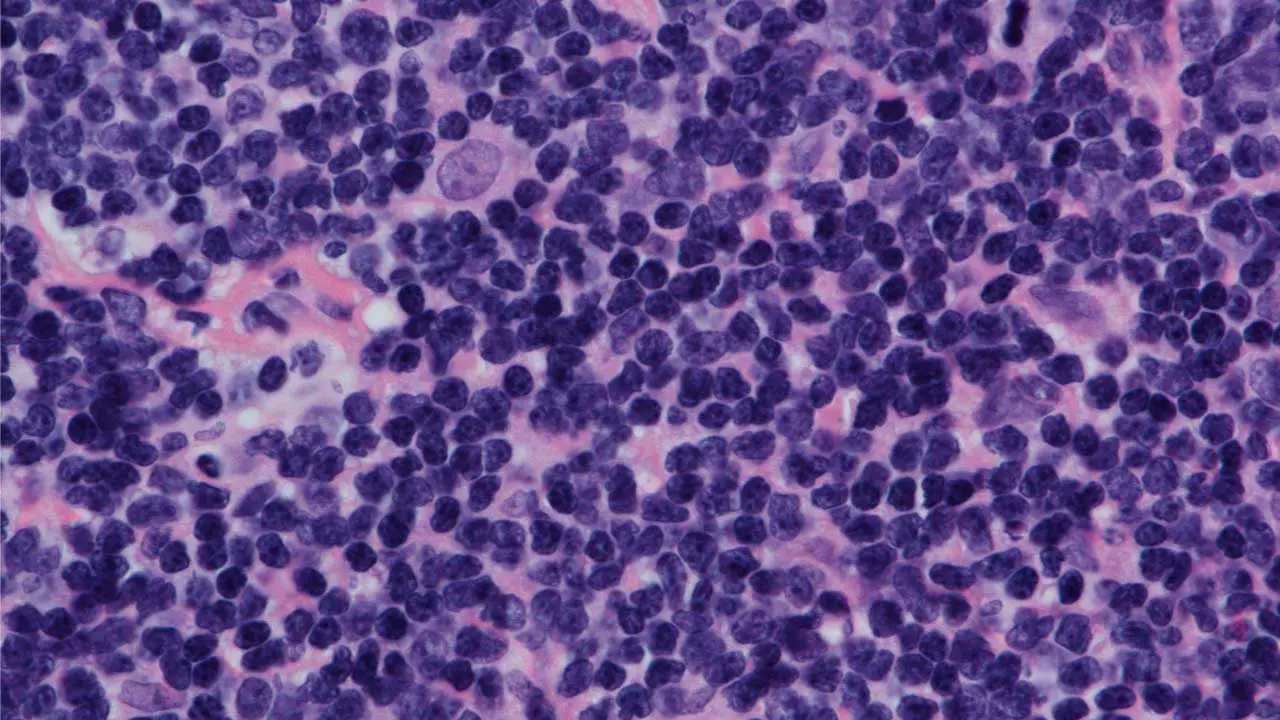
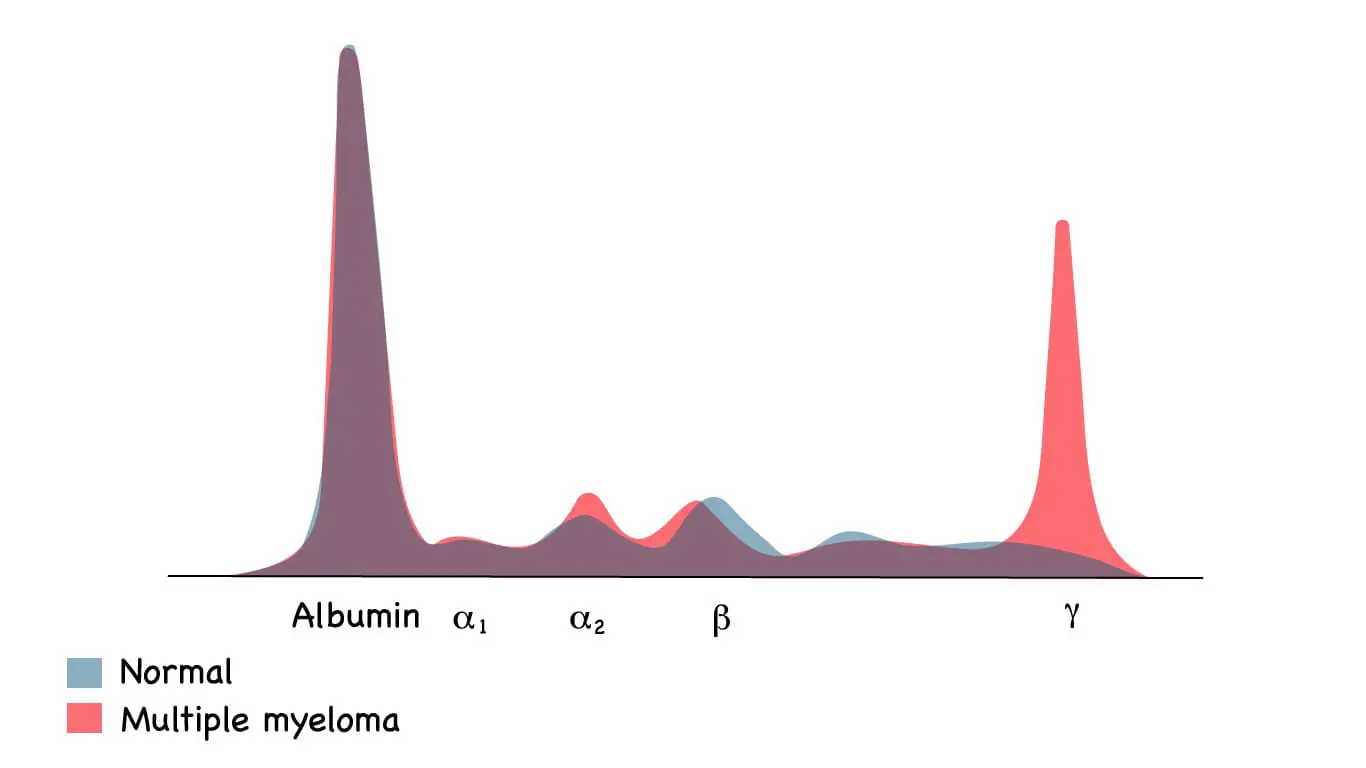
Smoldering Multiple Myeloma (SMM)
Smoldering Multiple Myeloma (SMM) is an asymptomatic precursor to MM, defined by high clonal plasma cell burden and M-protein without MDEs. Risk stratification is key.
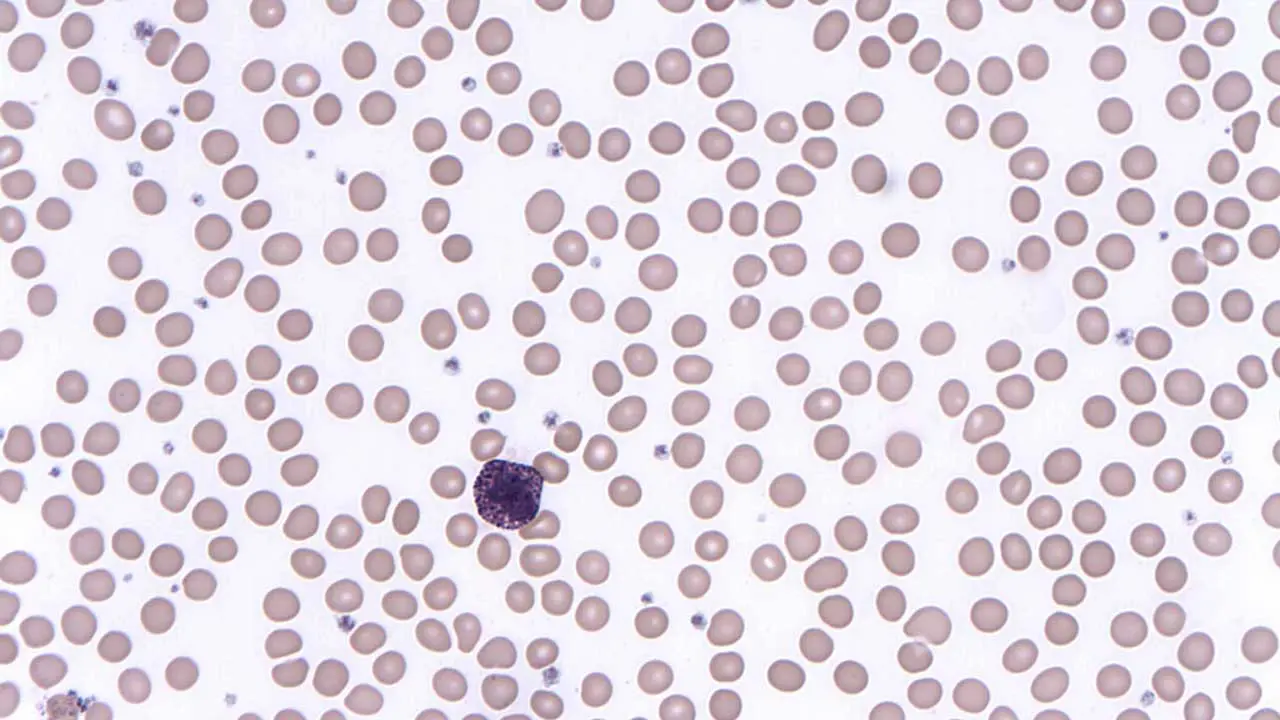
Basophils
Basophils are white blood cells that play a crucial role in allergic reactions and inflammation. They release histamine and other mediators, contributing to symptoms like sneezing, runny nose, and hives. Elevated basophil counts can be associated with certain conditions, such as asthma and chronic myeloid leukemia.
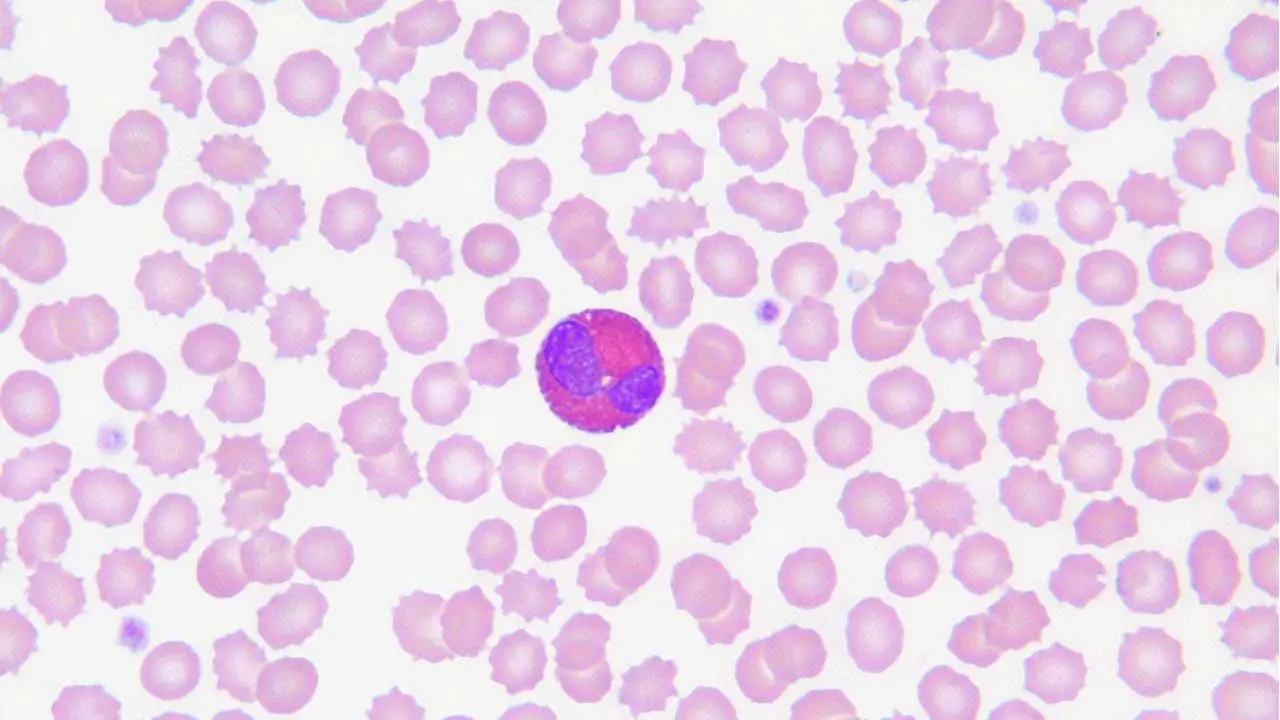
Eosinophils
Eosinophils are white blood cells that play a crucial role in the immune system. They are involved in fighting parasites, allergic reactions, and tissue repair. Elevated eosinophil counts can be a sign of various conditions, including parasitic infections and allergic diseases.
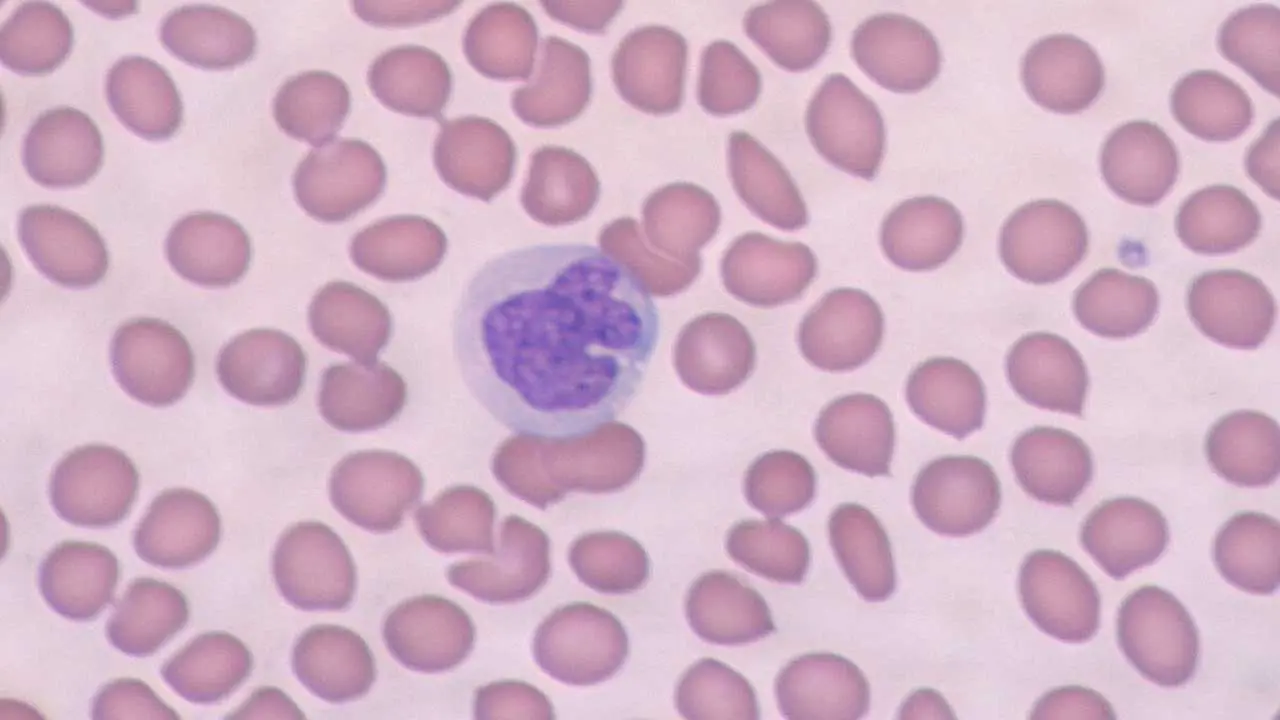
Monocytes
Monocytes are large white blood cells that play a crucial role in the immune system. They are responsible for phagocytosis, antigen presentation, and inflammation. Elevated or decreased monocyte counts can be indicative of various diseases.
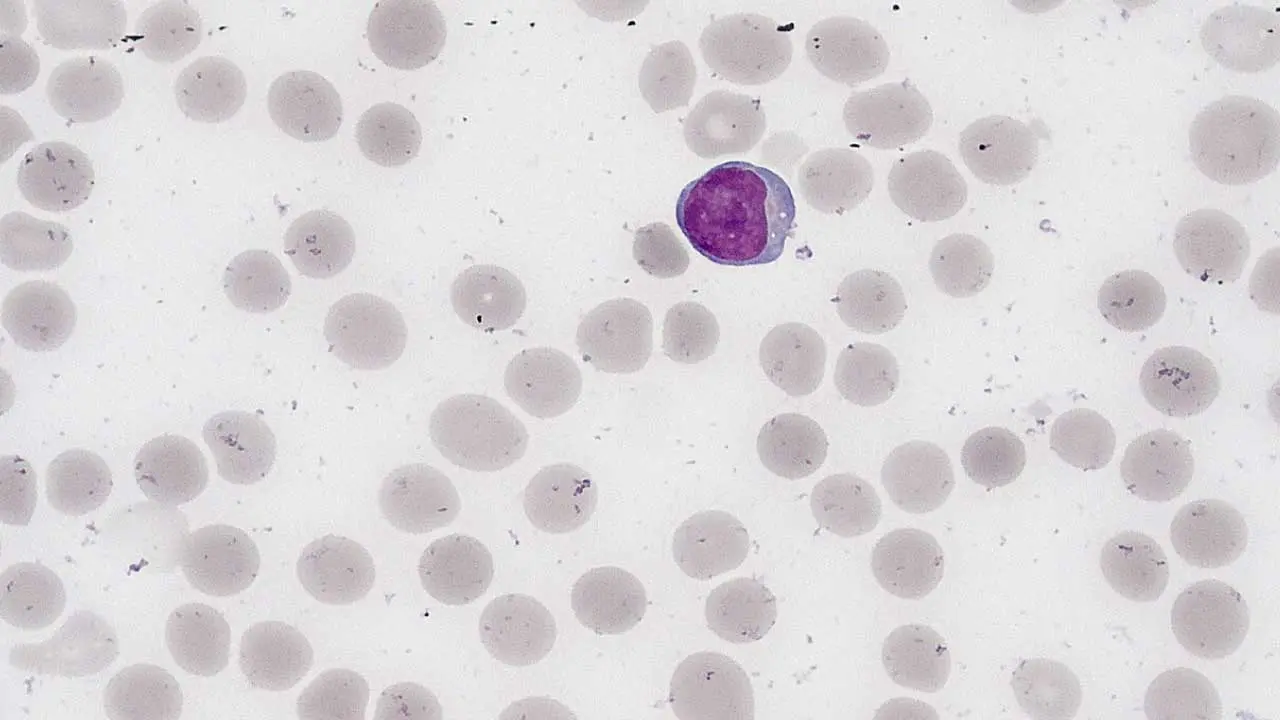
Lymphocytes
Lymphocytes are essential white blood cells that help protect the body from infections and diseases. They come in three main types: B cells, T cells, and NK cells, each with its unique role in the immune system.
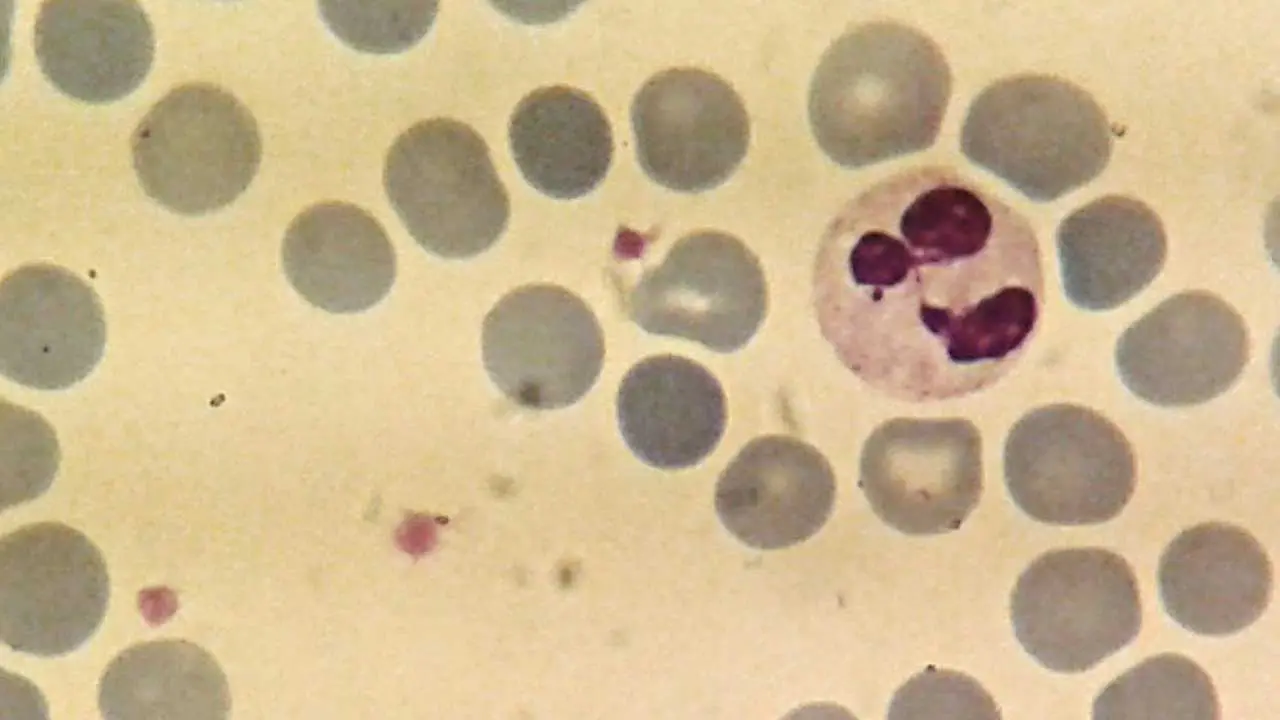
Neutrophils
Neutrophils are white blood cells crucial for fighting infections. They engulf and kill bacteria through phagocytosis. Learn about neutrophilia, neutropenia, and their role in immune health.
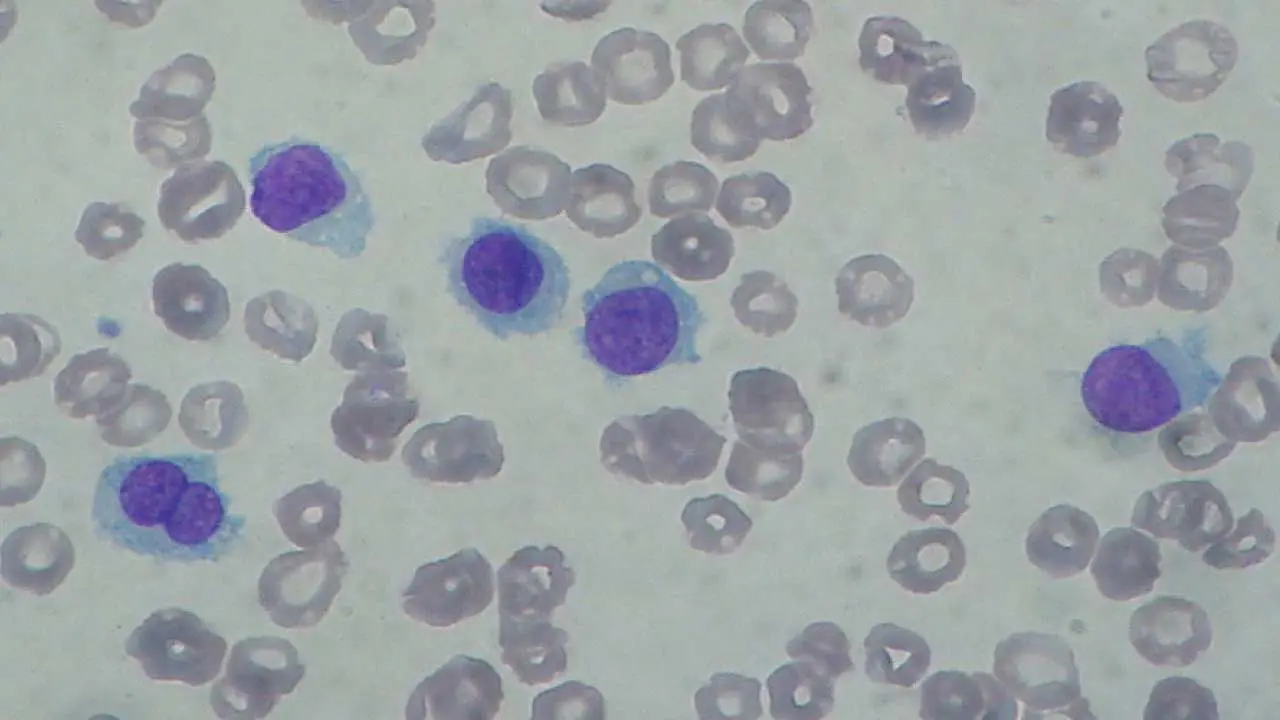
Hairy Cell Leukemia (HCL)
Hairy cell leukemia (HCL) is a rare blood cancer characterized by abnormal white blood cells. Learn about symptoms, causes, diagnosis, and treatment options.