
Lab Protocols
D-Dimer Test
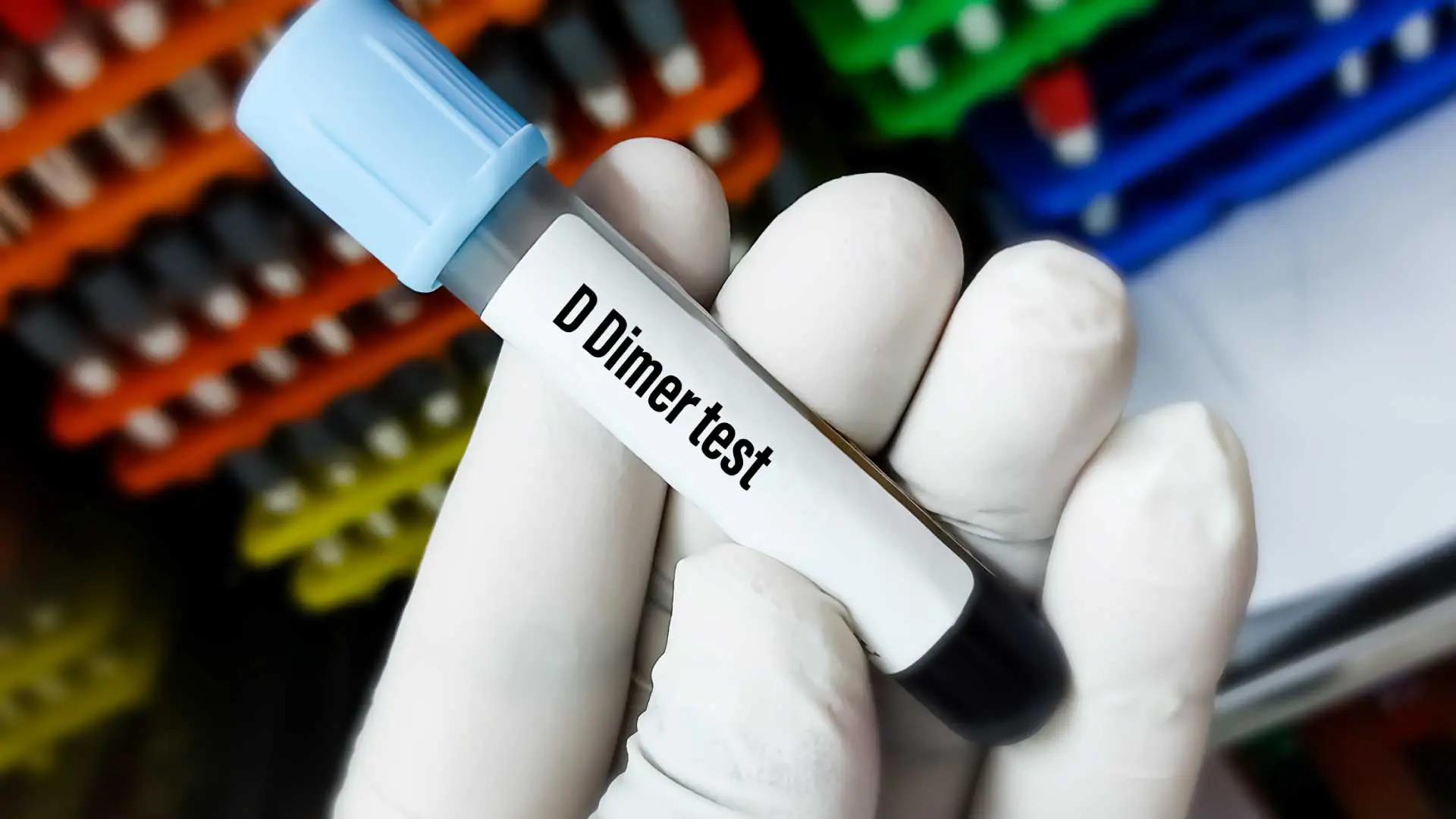
A D-dimer test measures a protein fragment from dissolved blood clots. It helps rule out dangerous clots like DVT or PE, but elevated levels can have other causes.
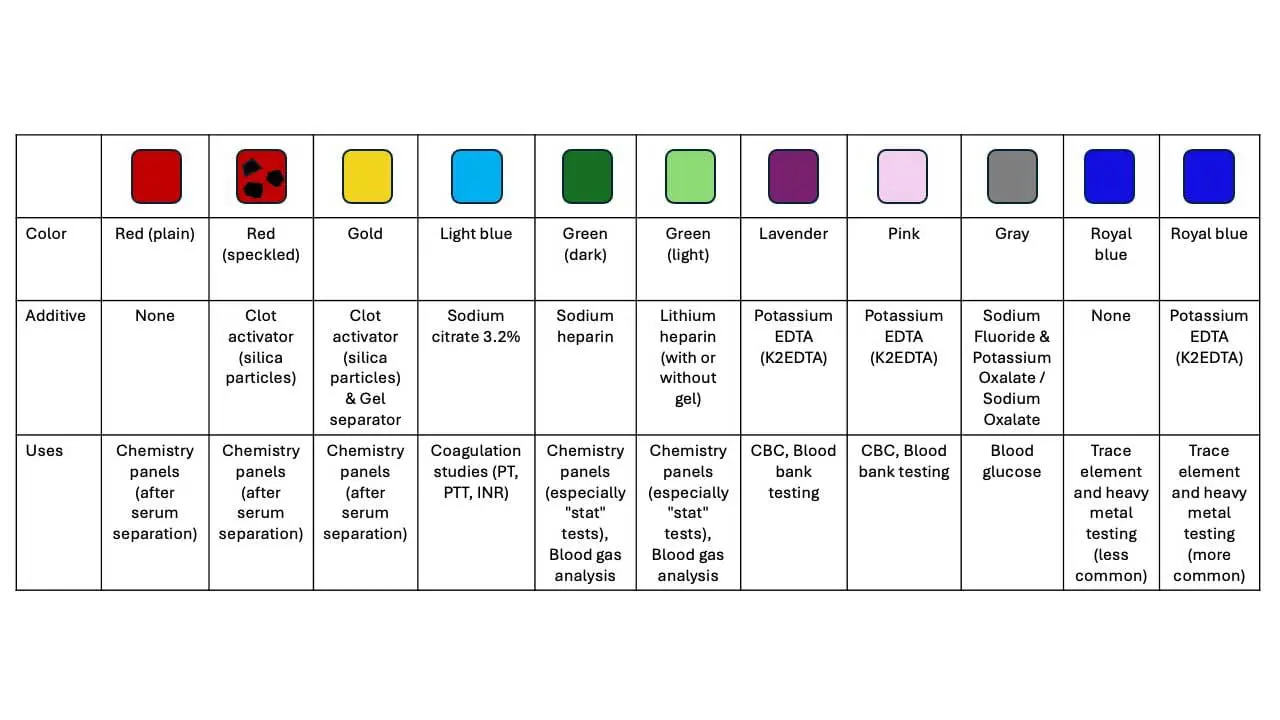
Blood Collection Tube (Vacutainer) Colors & Types
Blood collection tubes come in various colors for specific tests. Red & gold tubes separate serum, while purple & pink tubes prevent clotting for blood cell analysis. Choose the right tube for accurate results!

Interpretation of Antibody Identification Antigram
Antigen identification antigrams decode antibody reactions in blood transfusions, ensuring safe blood selection by identifying compatible red blood cells that lack the antigen targeted by the recipient’s antibody.

Antibody Identification
Incubate patient serum with panel RBCs, check for agglutination! Enzymes & antiglobulin tests may be used to reveal hidden antibody reactions.
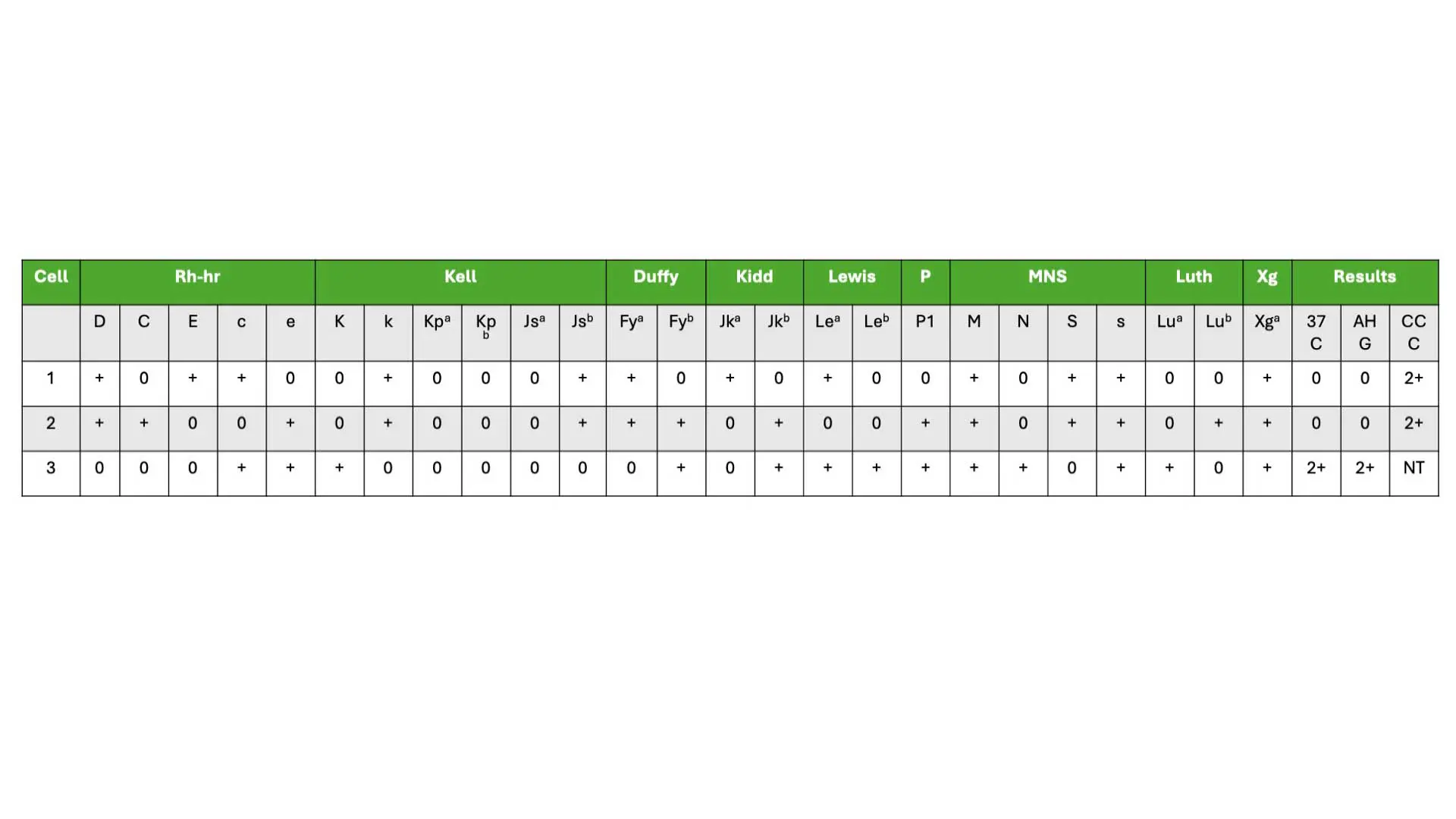
Antibody Screening
Antibody screening mixes patient plasma with red blood cells to detect unexpected antibodies. Agglutination indicates possible antibodies, requiring further identification for safe blood transfusions
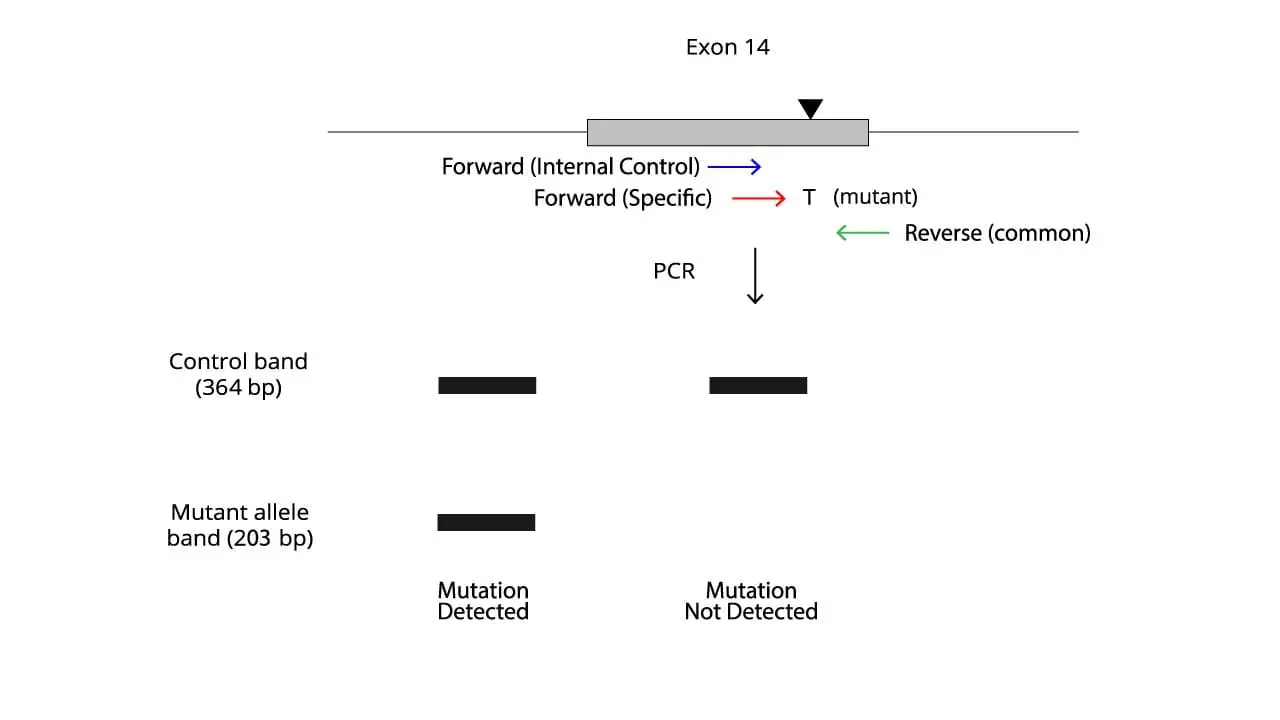
JAK2 V617F Mutation ARMS-PCR Protocol
Uncover the JAK2 V617F mutation, a key driver in Myeloproliferative Neoplasms (MPNs). Learn ARMS PCR, a reliable technique for diagnosis!
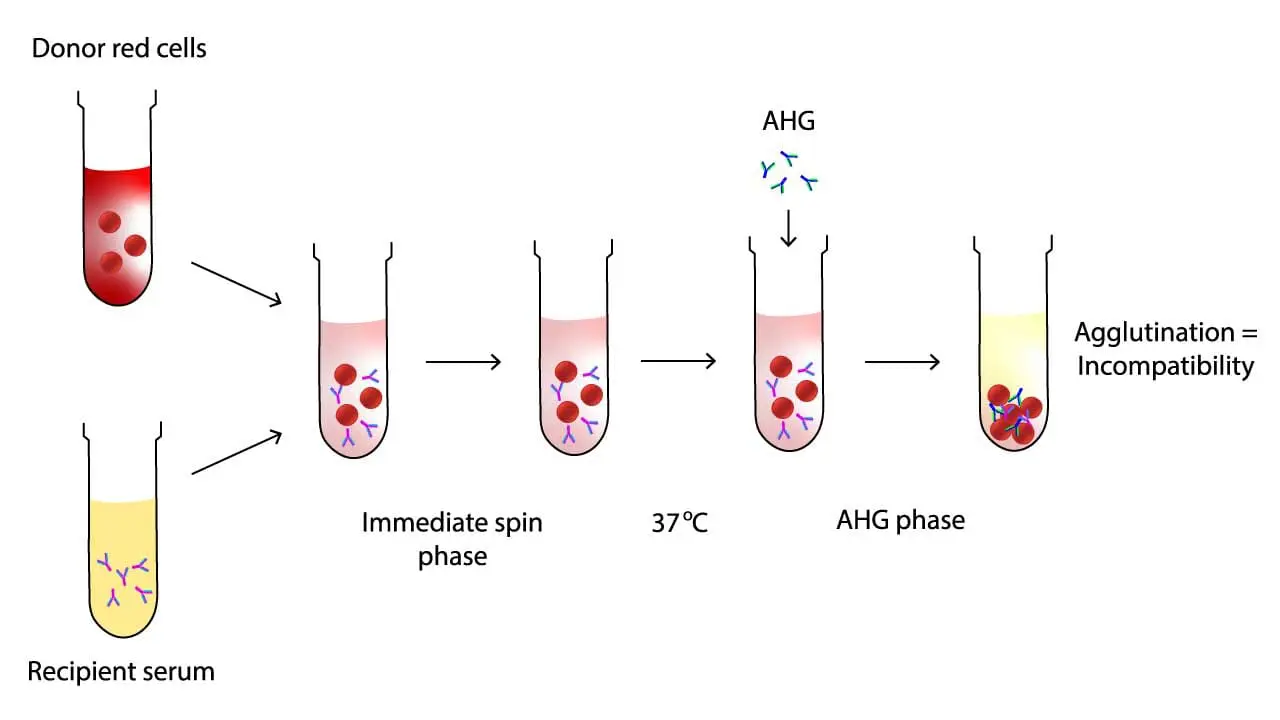
Serologic Crossmatching (Blood Compatibility Test)
Cross-matching mimics transfusion by mixing recipient serum & donor cells. Clumping (agglutination) indicates incompatibility, preventing transfusion reactions.