
White Blood Cells
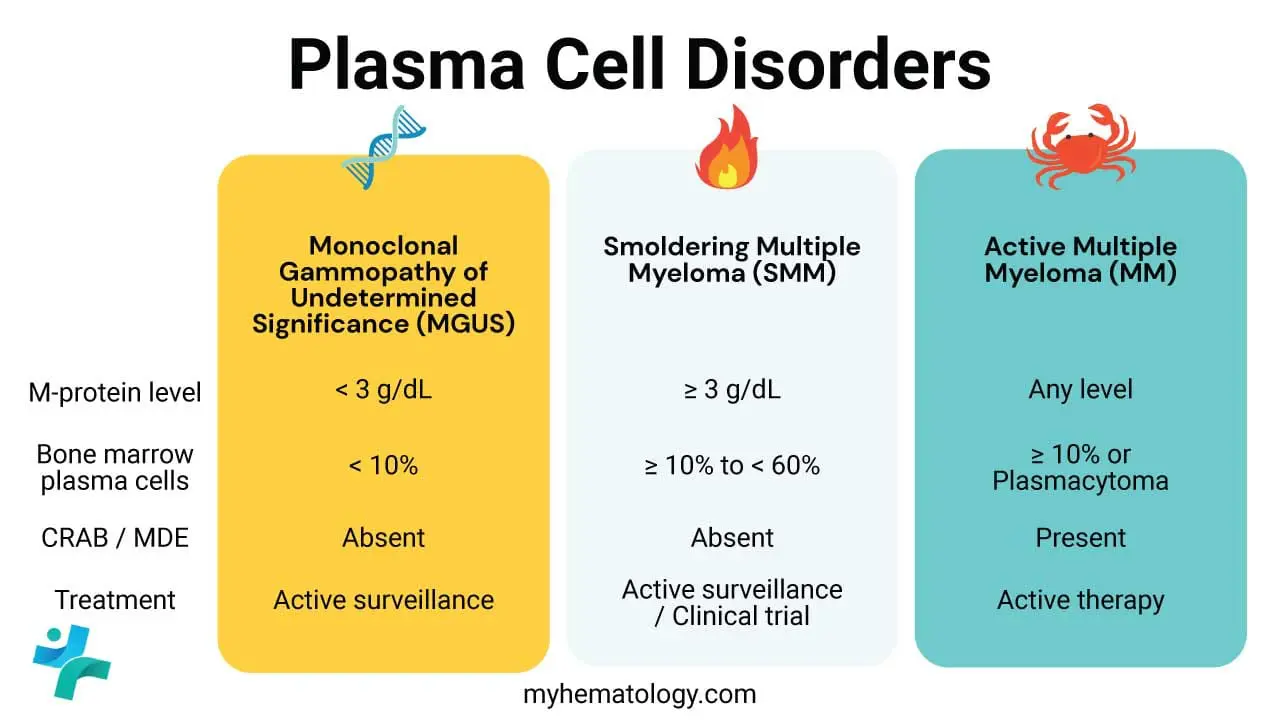
Monoclonal Gammopathy of Undetermined Significance (MGUS)
MGUS is an asymptomatic clonal disorder. It is the precursor to Multiple Myeloma, requiring only active surveillance and risk monitoring.
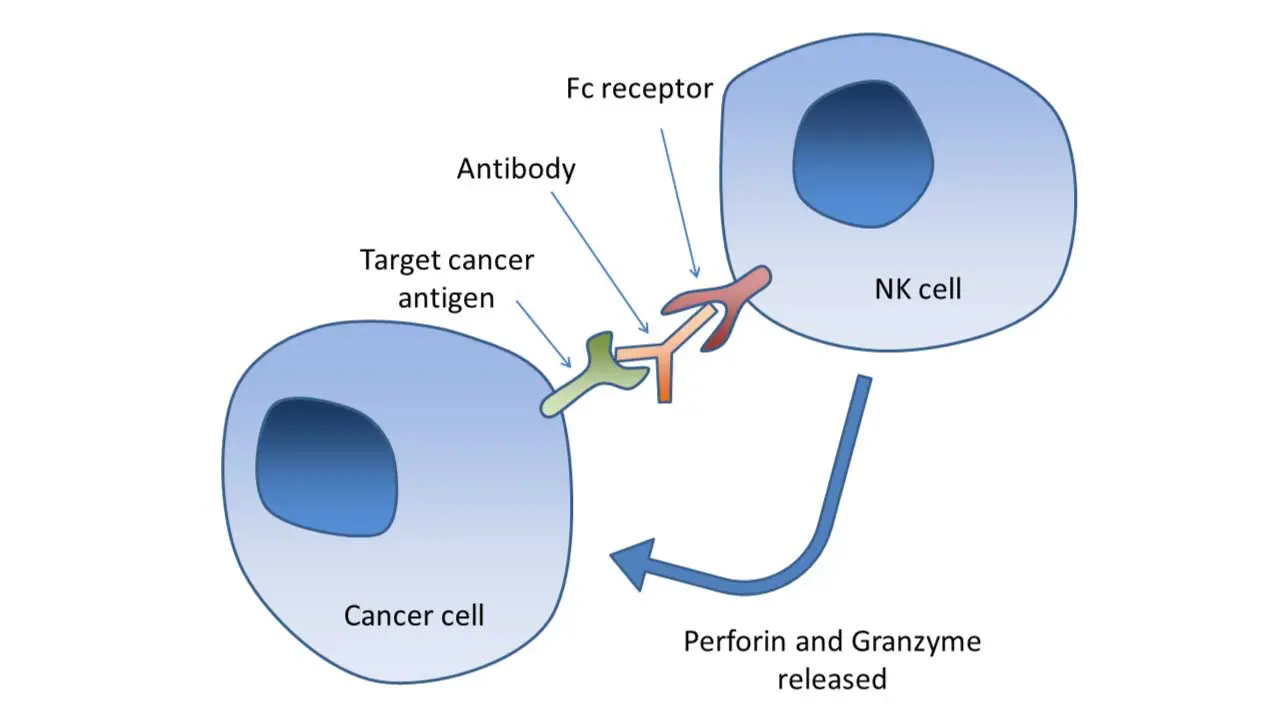
Natural Killer Cells
Natural Killer (NK) cells are vital immune cells that provide rapid defense against infections and cancer. They recognize and eliminate stressed or infected cells without prior sensitization, playing a key role in immunosurveillance.
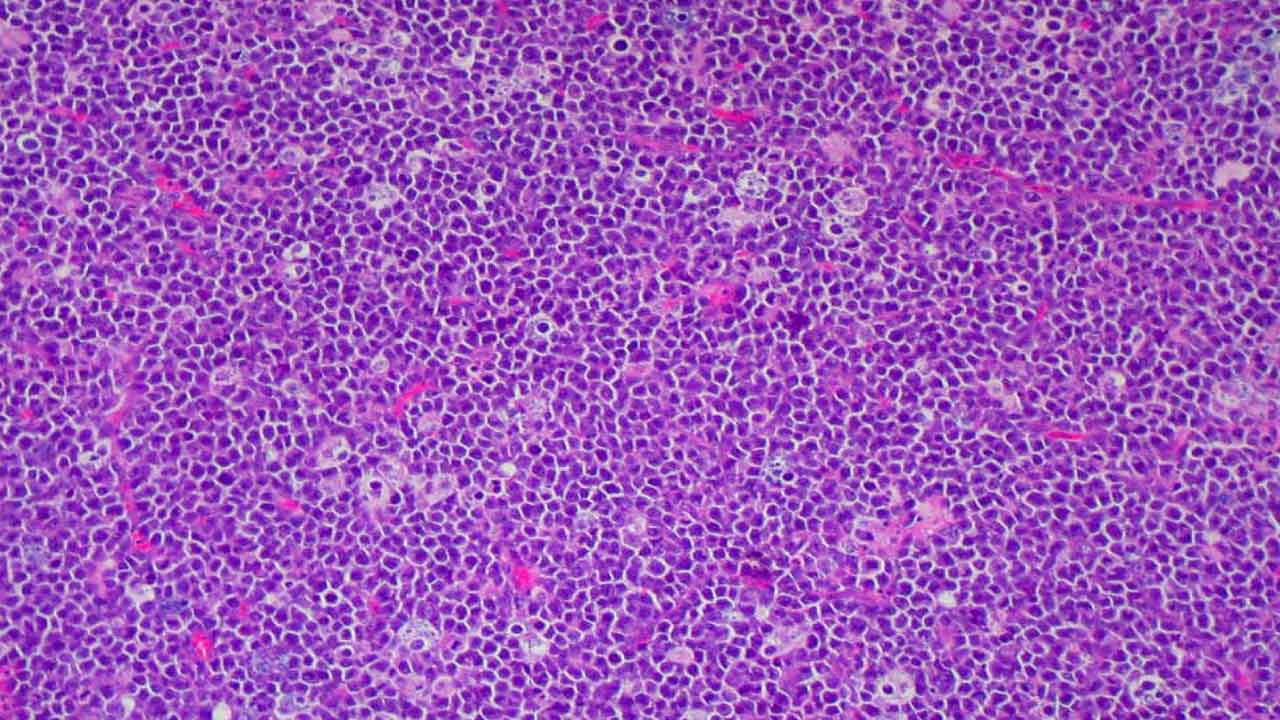
Burkitt Lymphoma
Burkitt Lymphoma is a rare cancer affecting children and adults. Key symptoms include rapidly growing tumors, often in the jaw or abdomen.
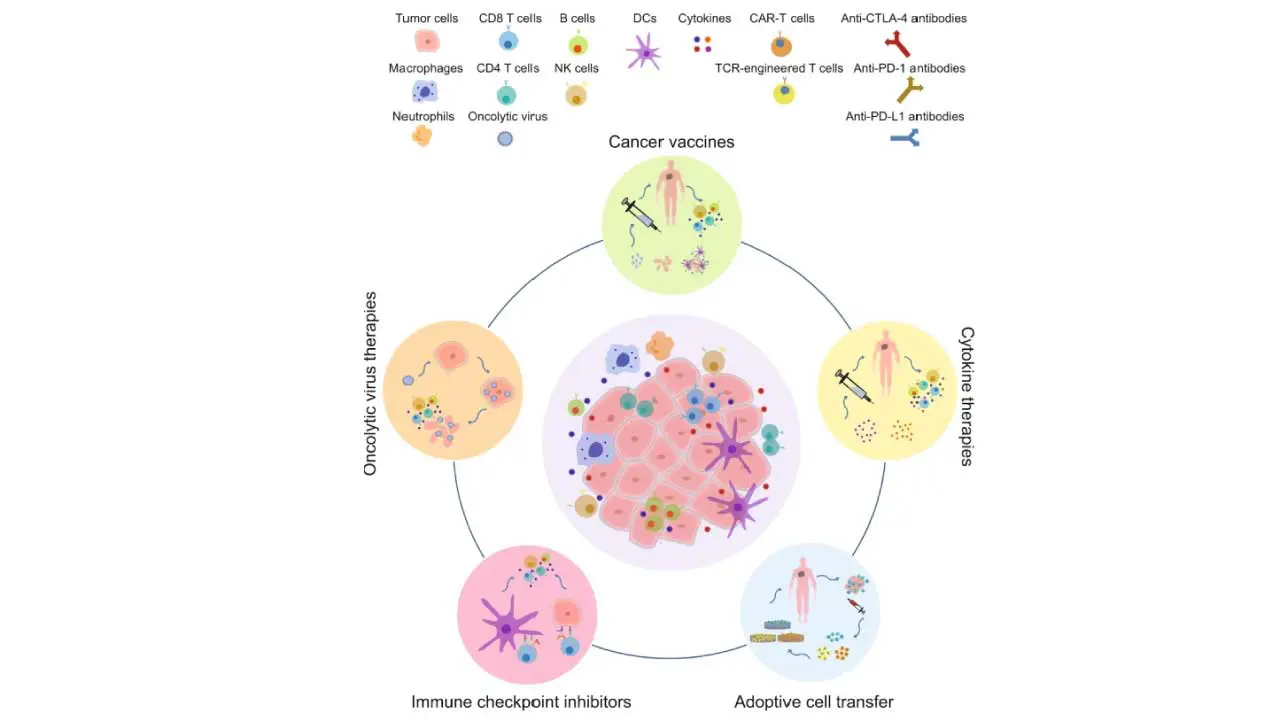
Immunotherapy
Immunotherapy harnesses the body’s immune system to fight cancer. It offers a targeted approach with fewer side effects compared to traditional treatments, providing hope for many cancer patients
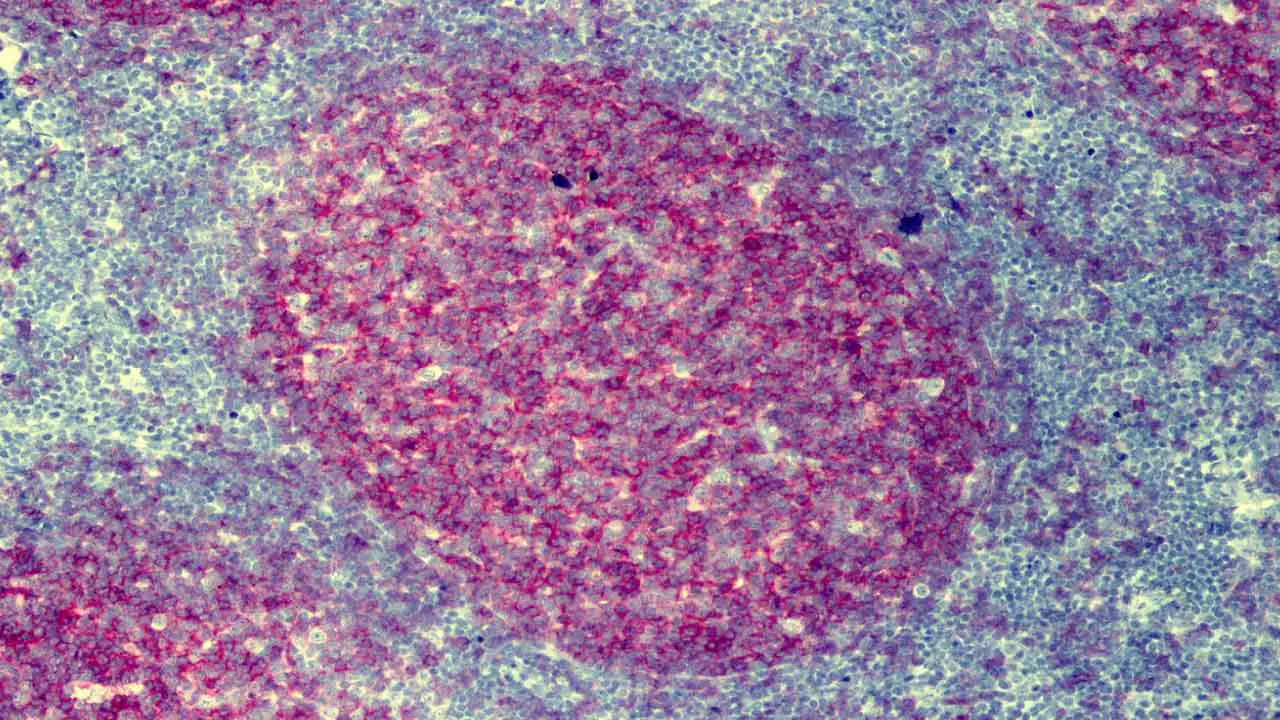
Follicular Lymphoma
Follicular lymphoma is a type of slow-growing blood cancer affecting B-cells. Learn about its symptoms, causes, diagnosis, treatment, and prognosis.
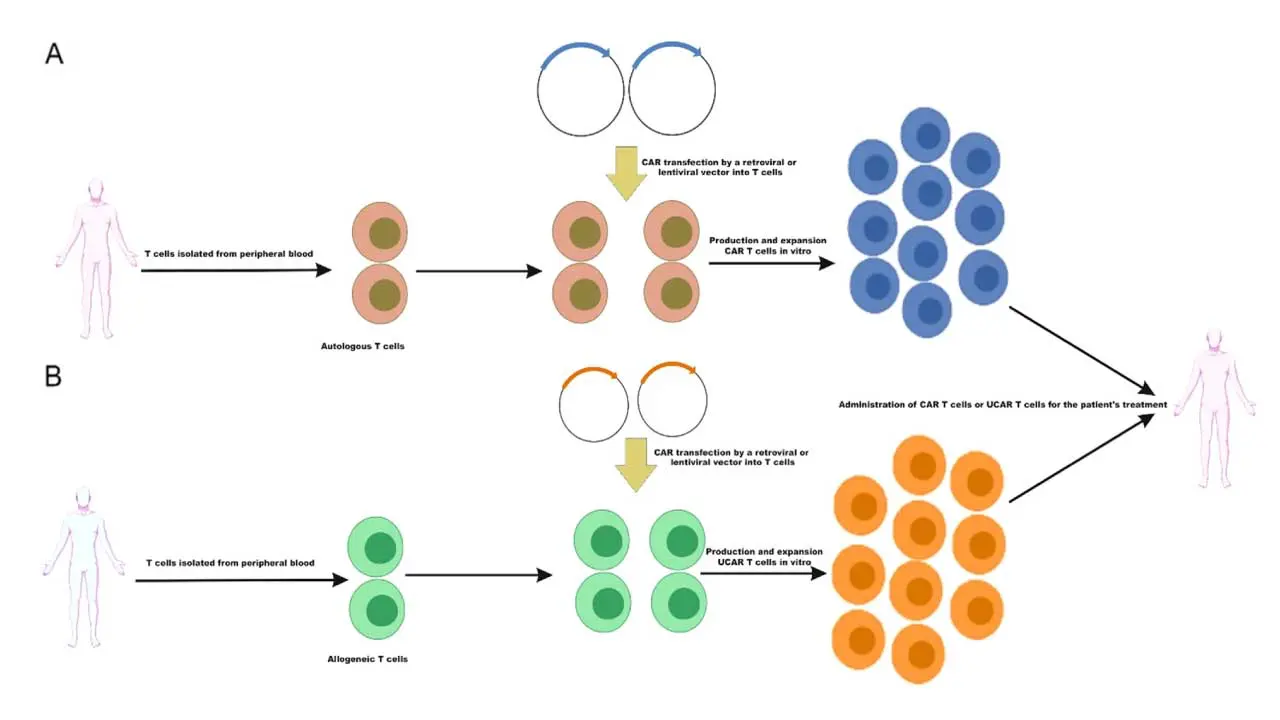
CAR T-Cell Treatment
CAR T-cell therapy is a revolutionary cancer treatment using engineered T-cells to target and destroy cancer cells.
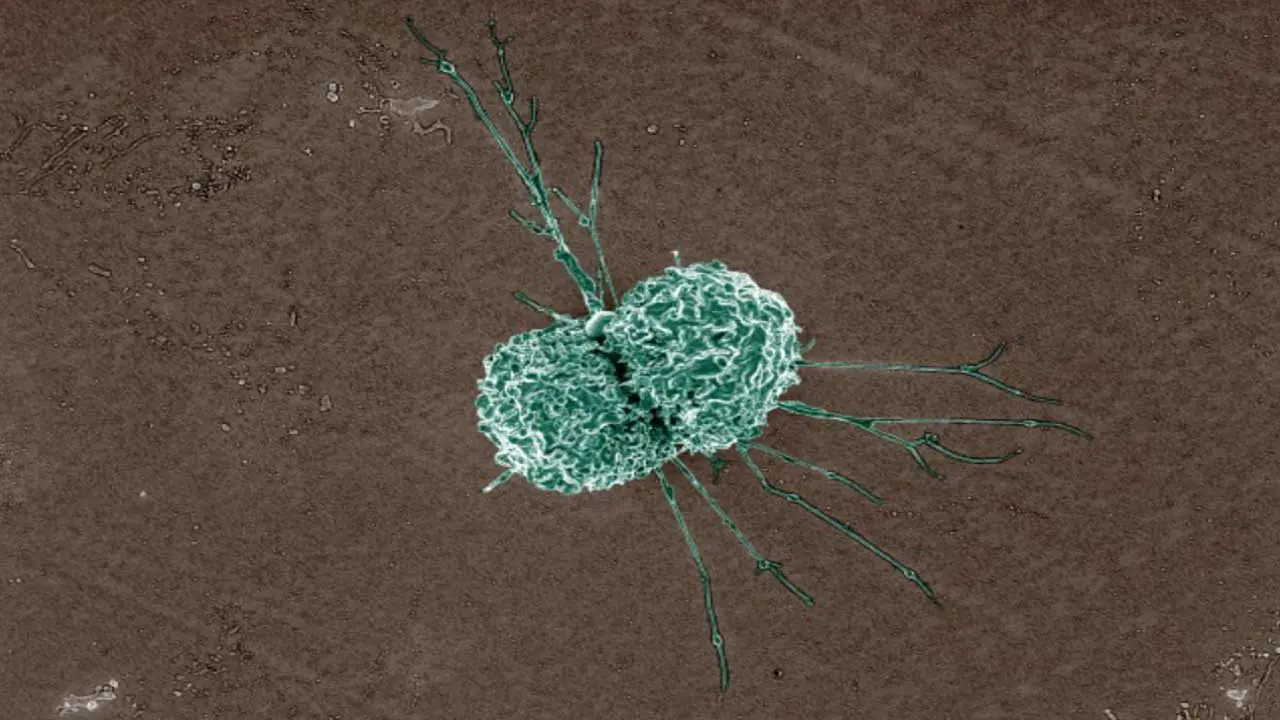
Macrophage
Macrophages are essential immune cells that engulf and digest foreign particles, playing a crucial role in inflammation and tissue repair. They are found throughout the body and are involved in various diseases, including infections and cancer.