
Lymphopenia is a low lymphocyte count, weakening immunity. It increases infection risk and flags underlying issues like cancer or severe illness.
White Blood Cells
Monocytosis (High Monocytes)
Monocytosis: Elevated monocytes signal underlying health issues. Learn causes (infections, cancers), symptoms, diagnosis, and management.
Lymphocytosis (High Lymphocytes)
Lymphocytosis: High lymphocyte count. It can be a harmless immune response or signal serious conditions like leukemia.
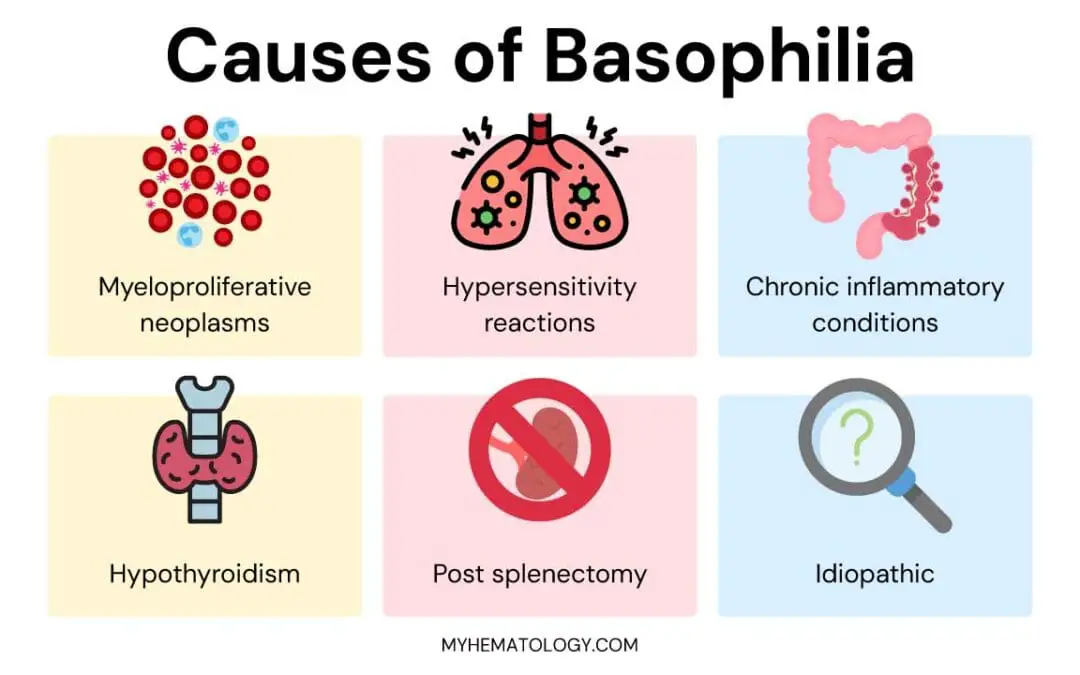
Basophilia (High Basophils)
Basophilia is when basophil count are elevated. It often signals underlying issues like MPNs, allergies, or inflammation.

Lymphopenia (Low Lymphocytes)
Lymphopenia is a low lymphocyte count, weakening immunity. It increases infection risk and flags underlying issues like cancer or severe illness.

Lymphocytosis (High Lymphocytes)
Lymphocytosis: High lymphocyte count. It can be a harmless immune response or signal serious conditions like leukemia.
Causes of Polycythemia
Polycythemia has high red blood cell count. Learn causes, symptoms (headache, fatigue), diagnosis (CBC, EPO), and treatment options.

Neutropenia
Neutropenia is a condition with a low count of neutrophils, key infection-fighting white blood cells. This increases susceptibility to various infections.

Infectious Mononucleosis (Mono)
Infectious mononucleosis (Mono), the “kissing disease,” is a common viral illness (EBV). Symptoms include sore throat, fever, fatigue, and swollen glands. Usually resolves on its own.

Causes of Eosinophilia (High Eosinophils)
High eosinophil count in blood. May indicate allergies, infections, or other conditions. Symptoms vary. Diagnosis via blood test.
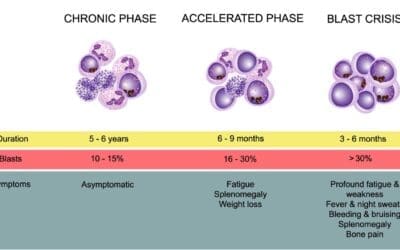
Chronic Myeloid Leukemia Treatment Strategies
Chronic Myeloid Leukemia Treatment: TKIs are the main therapy, targeting the BCR::ABL1 gene. Chemotherapy & stem cell transplant are also used.

Neutrophilia (High Neutrophils) & Absolute Neutrophilia
Neutrophilia means high neutrophils, a type of white blood cell. It often signals infection, inflammation, or stress.