
Red Blood Cells
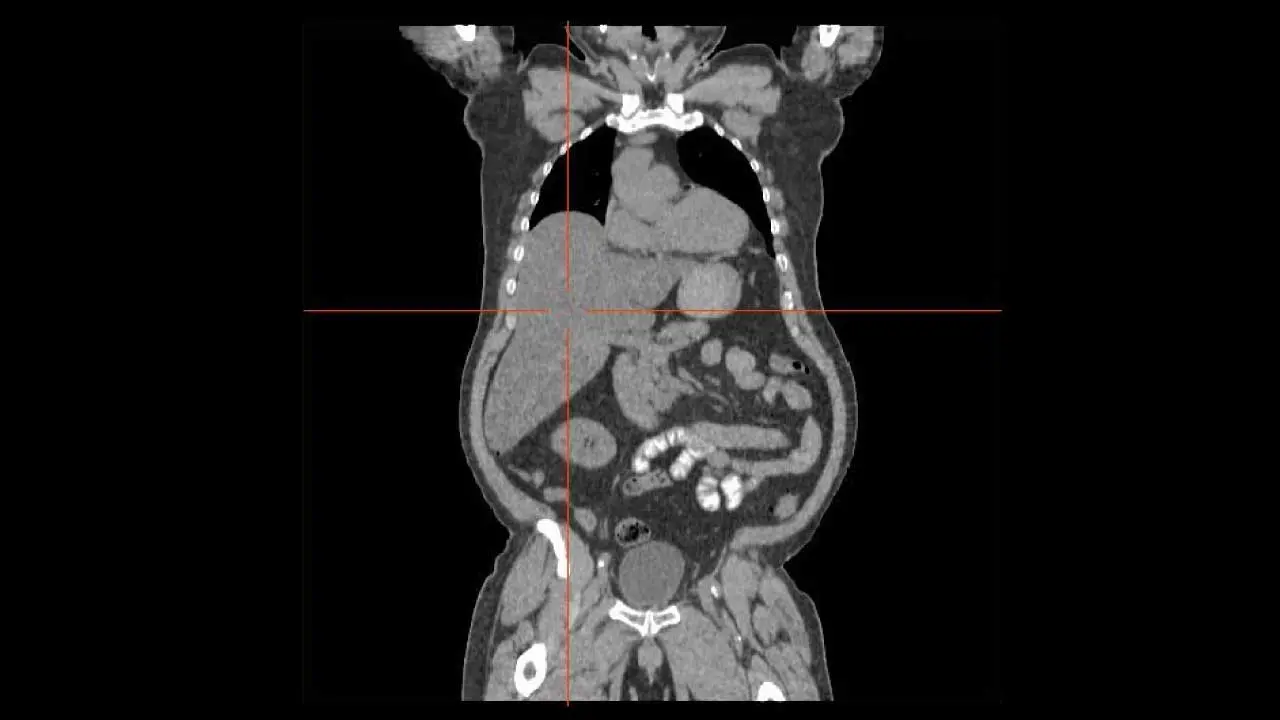
Liver and Causes of Hepatomegaly
Hepatomegaly means an enlarged liver, often a sign of underlying conditions like hepatitis, fatty liver, or heart failure. Diagnosis involves physical exams and imaging.
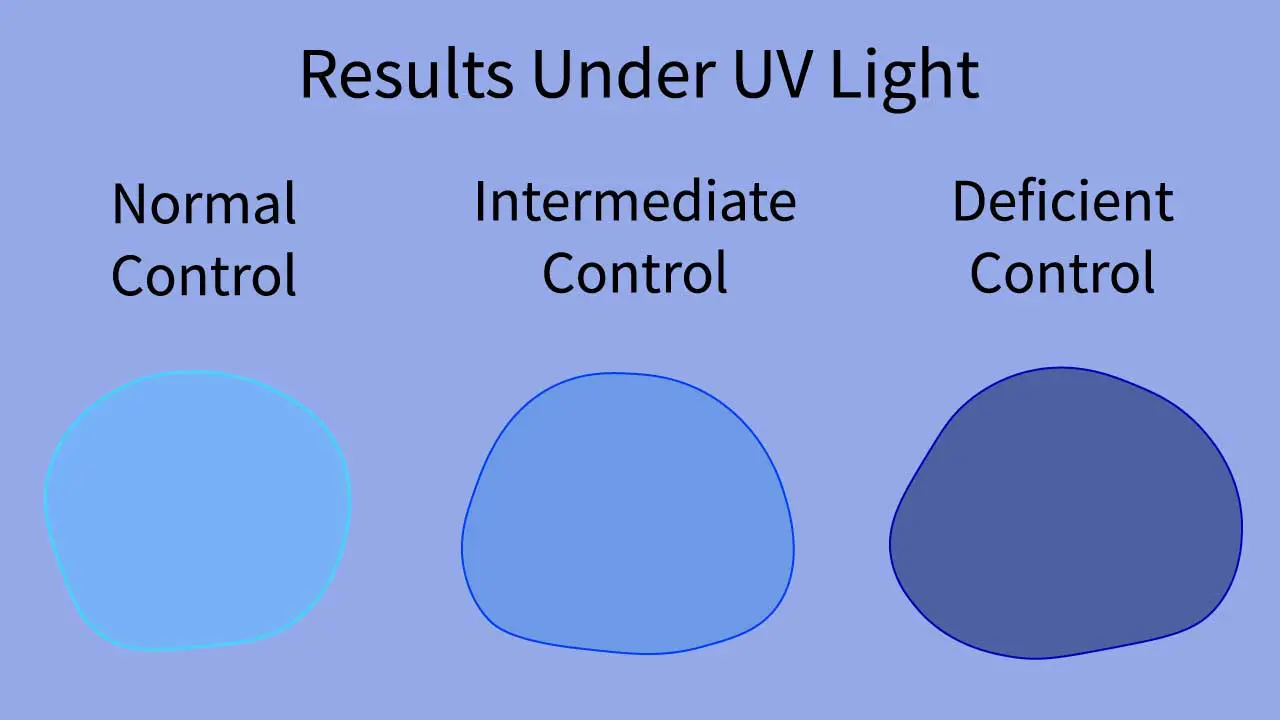
Glucose-6-Phosphate Dehydrogenase (G6PD) Fluorescent Spot Test (G6PD Test)
The G6PD fluorescent spot test is a rapid and simple screening method for G6PD deficiency that utilizes the enzyme’s ability to reduce NADP+ to NADPH.
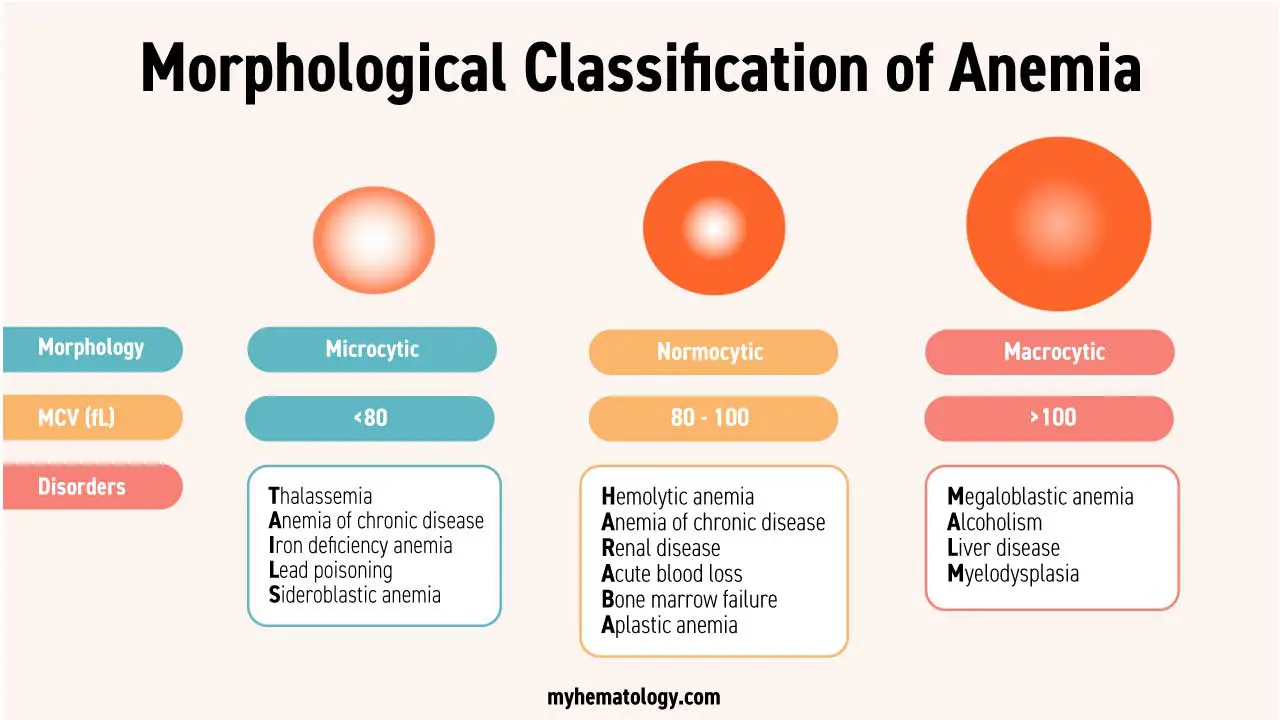
Anemia: Types, Symptoms & Treatment
Anemia is a condition characterized by a deficiency in red blood cells or hemoglobin below the physiological need of the body.
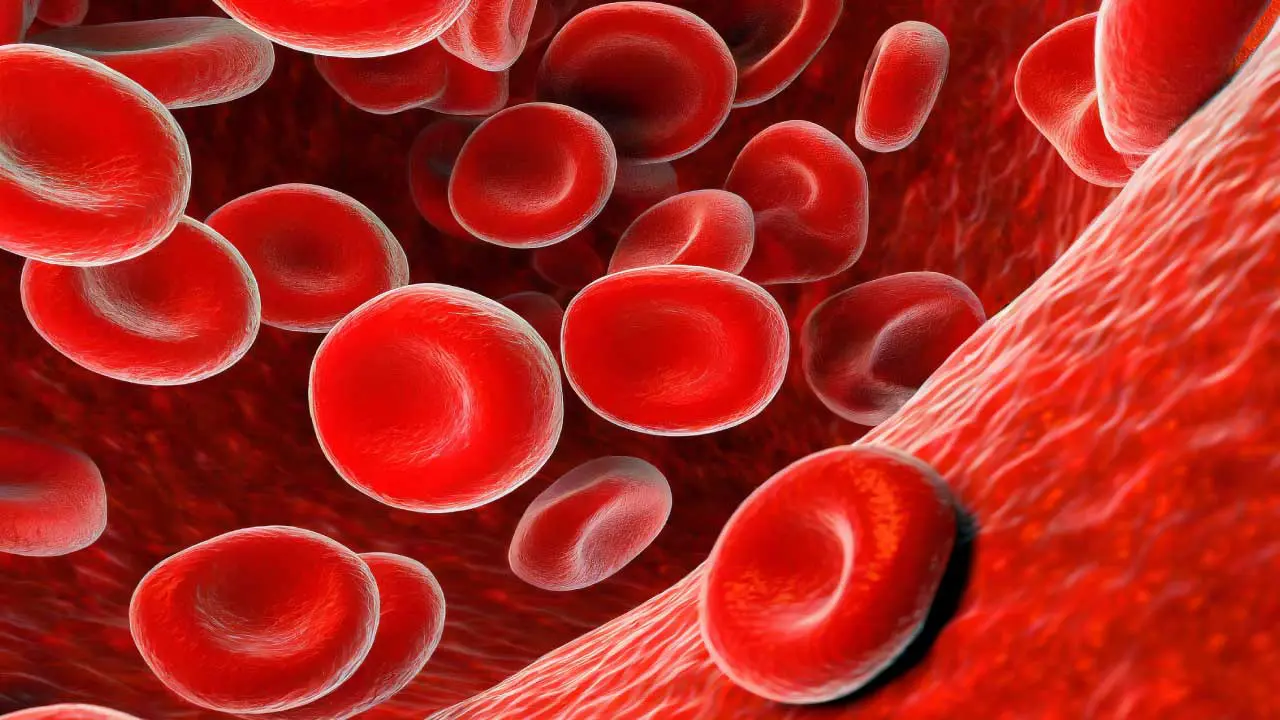
Red Blood Cells (RBCs): An Overview
Red blood cells are biconcave disc-shaped cells that transport oxygen from the lungs to other parts of the body.
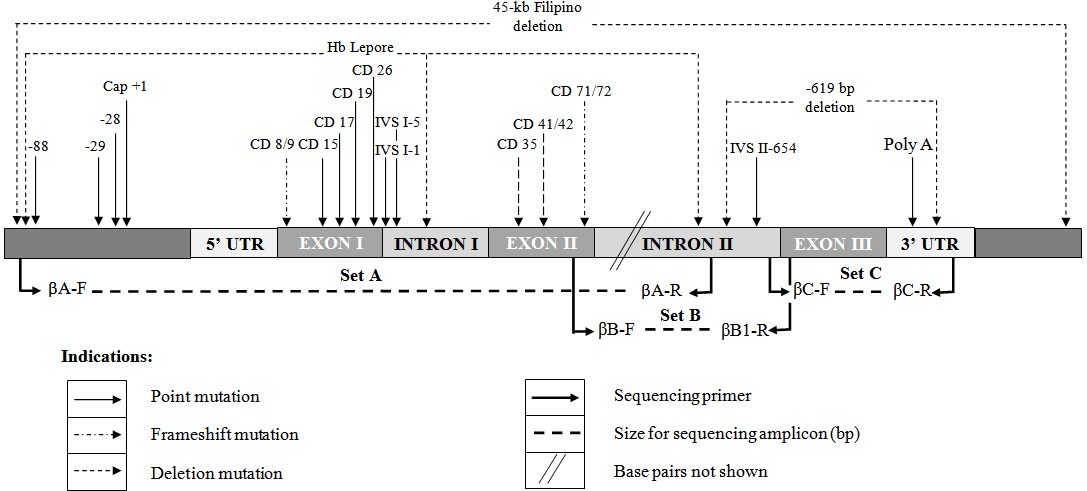
Conventional PCR Protocol for Beta Thalassemia Downstream Sequencing
The beta globin gene PCR protocol for sequencing involves amplifying the beta globin gene using specific primers, followed by Sanger sequencing to determine the DNA sequence.

Aplastic Anemia (AA): A Bone Marrow Failure
Aplastic Anemia, a rare and serious bone marrow failure syndrome, causes pancytopenia, where all the blood cell lineages are suppressed.

Erythrocyte Sedimentation Rate or ESR
ESR measures the sedimentation rate or the length red blood cells fall in a vertical tube over a period of time.