
Dendritic cells (DCs) process antigens & present them to T cells, triggering immune responses.
White Blood Cells
Natural Killer Cells
Natural Killer (NK) cells are vital immune cells that provide rapid defense against infections and cancer. They recognize and eliminate stressed or infected cells without prior sensitization, playing a key role in immunosurveillance.
Burkitt Lymphoma
Burkitt Lymphoma is a rare cancer affecting children and adults. Key symptoms include rapidly growing tumors, often in the jaw or abdomen.
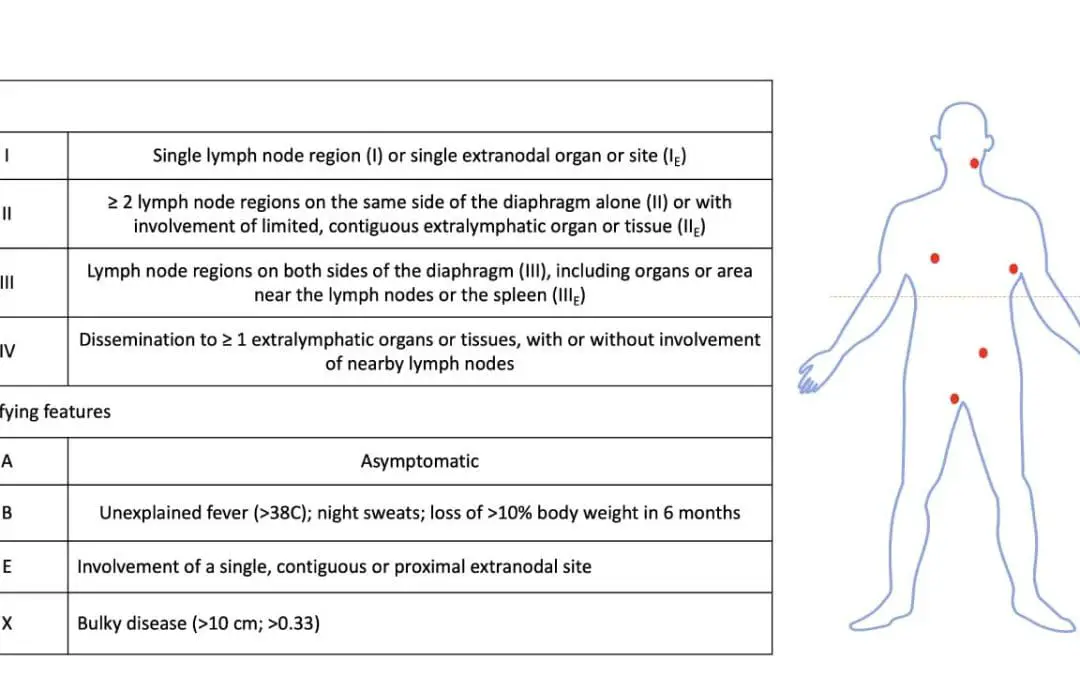
Classic Hodgkin Lymphoma Treatment Strategies
Hodgkin lymphoma explained: treatment, stages, and what to expect. Your guide based on the latest NCCN recommendations.
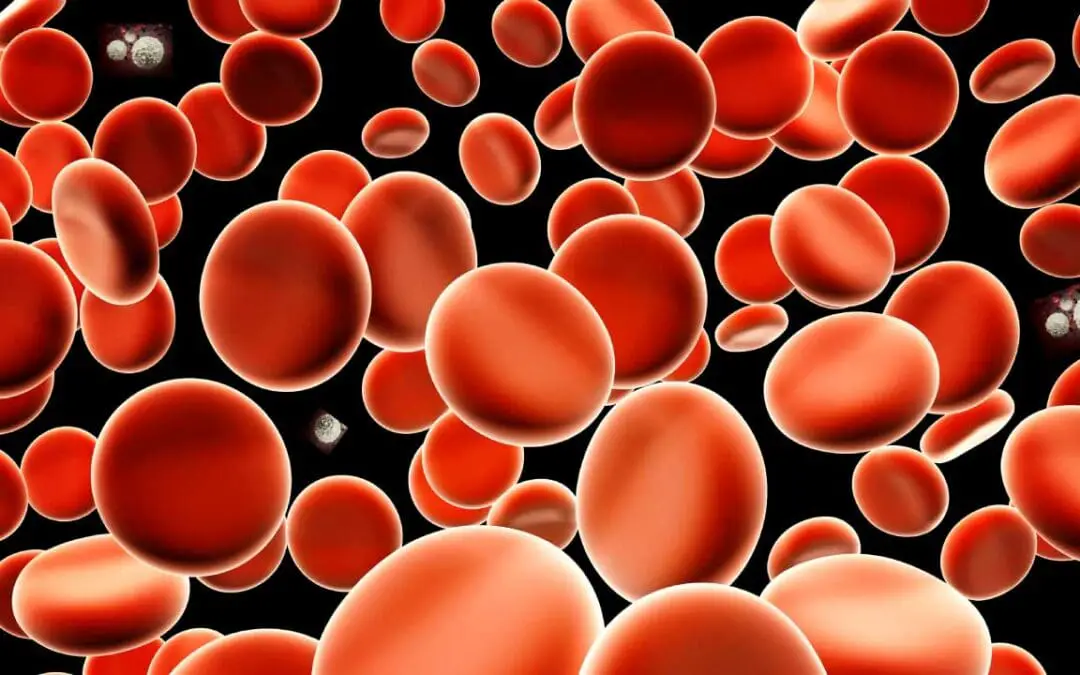
Causes of Polycythemia
Polycythemia has high red blood cell count. Learn causes, symptoms (headache, fatigue), diagnosis (CBC, EPO), and treatment options.

Hypersensitivity Reactions: Causes and Mechanisms
Hypersensitivity is an exaggerated, undesirable immune response to an antigen, causing tissue damage. It encompasses four types: IgE-mediated (allergies), cytotoxic, immune complex, and delayed cell-mediated reactions.
Chronic Myeloid Leukemia or CML
Chronic myeloid leukemia (CML) is a cancer of the blood cells that begins in the bone marrow. It is caused by a genetic abnormality that results in the production of too many white blood cells.
Chronic Lymphocytic Leukemia (CLL)
Chronic lymphocytic leukemia (CLL) is a type of cancer that affects white blood cells called B lymphocytes. In CLL, B lymphocytes become abnormal and grow uncontrollably. This can lead to fatigue, swollen lymph nodes, and easy bruising or bleeding. CLL is a slowly progressing cancer affecting mainly the elderly
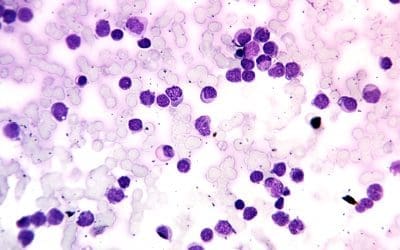
Acute Leukemia: An Overview
At the heart of acute leukemia lies a disruption of the genetic blueprint, the DNA that carries the instructions for building and maintaining healthy cells. When these instructions become corrupted, through mutations or deletions, the normal development and function of blood cells are derailed.