
Hemostasis Disorders
Ecchymoses
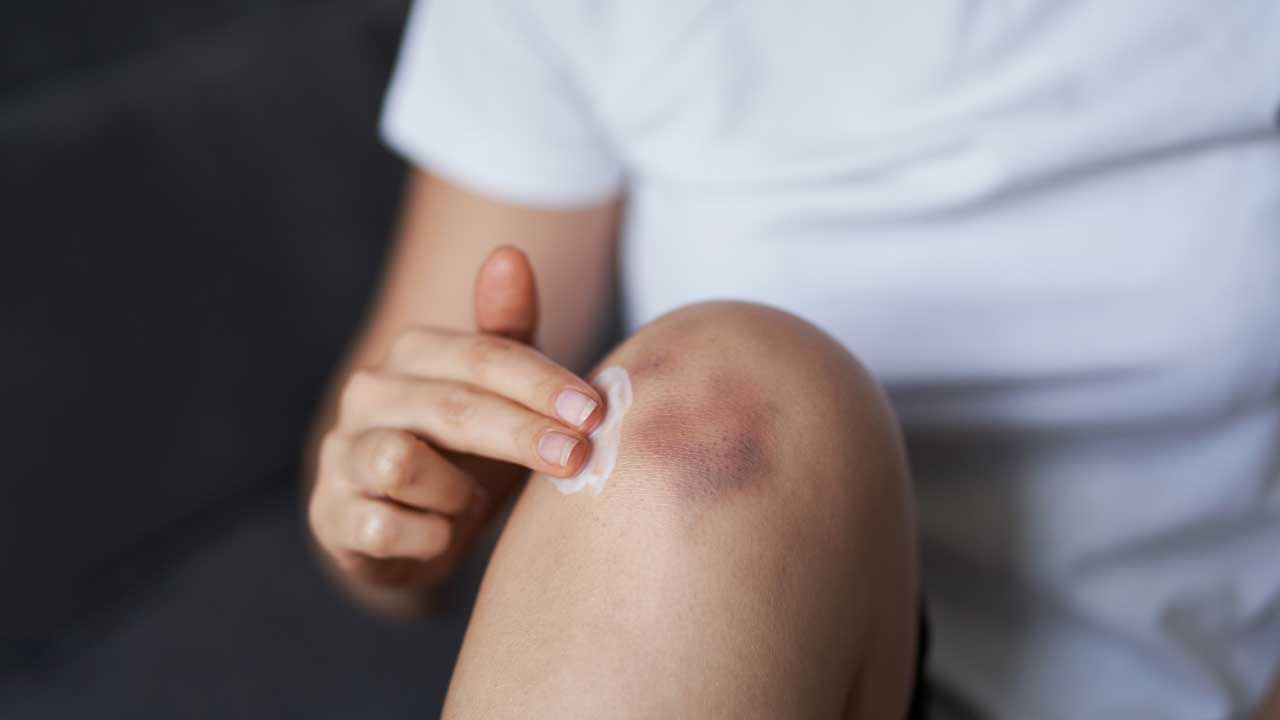
Ecchymoses, or bruises, are skin discolorations from blood leakage. Causes range from minor injury to underlying medical issues. Understanding them is key.
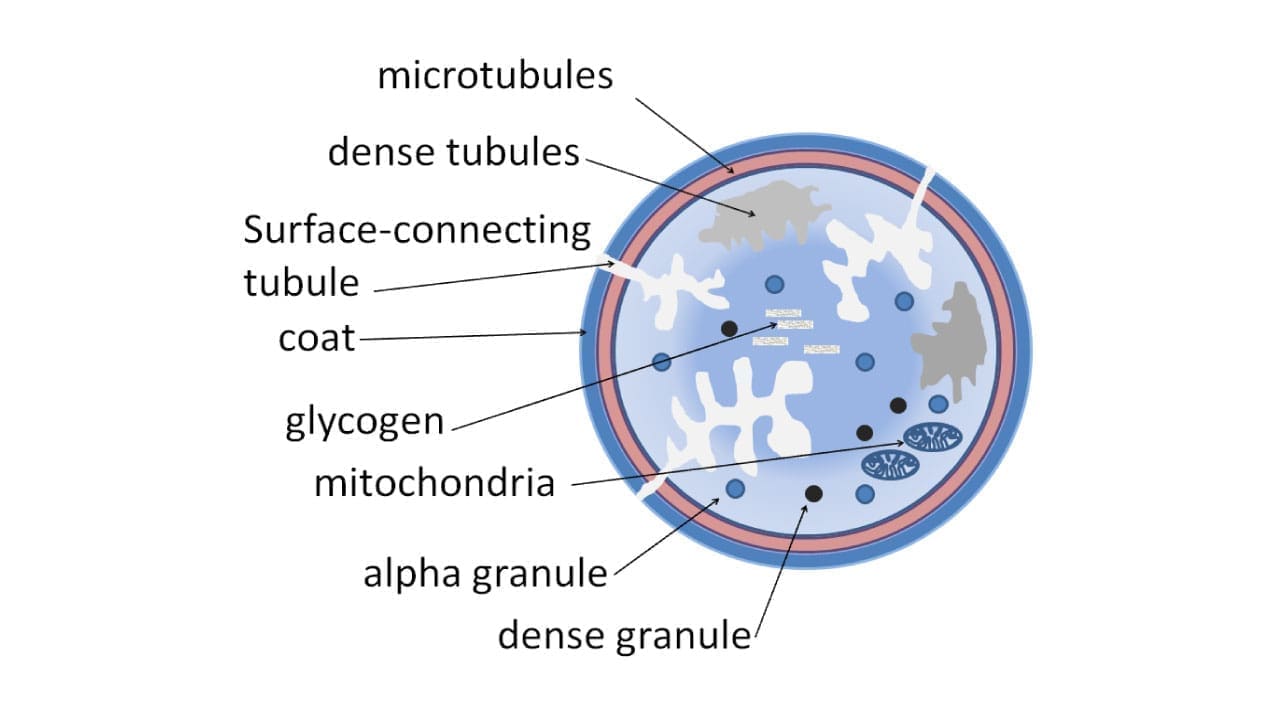
Platelet
From their role in wound healing to their potential for causing harm, platelets are a captivating paradox.
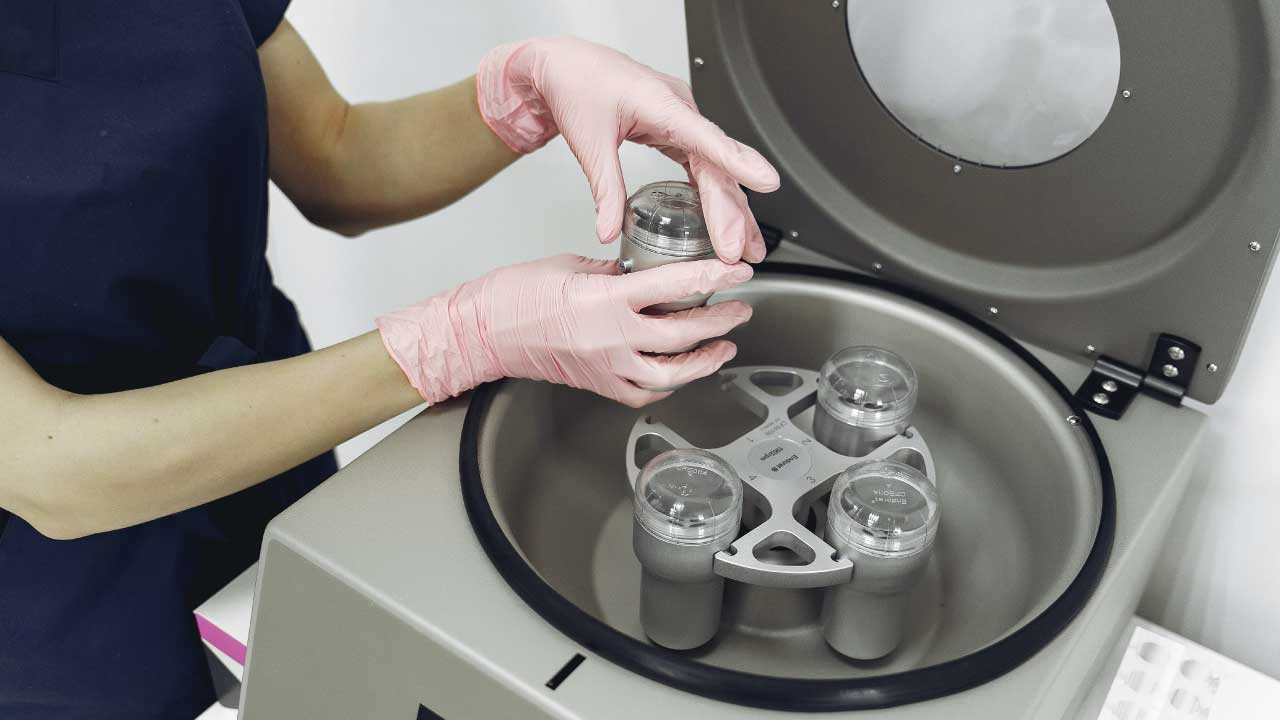
Manual APTT Mixing Study
Manual APTT mixing studies involve mixing patient plasma with normal plasma or specific factor concentrates to differentiate factor deficiencies from inhibitors
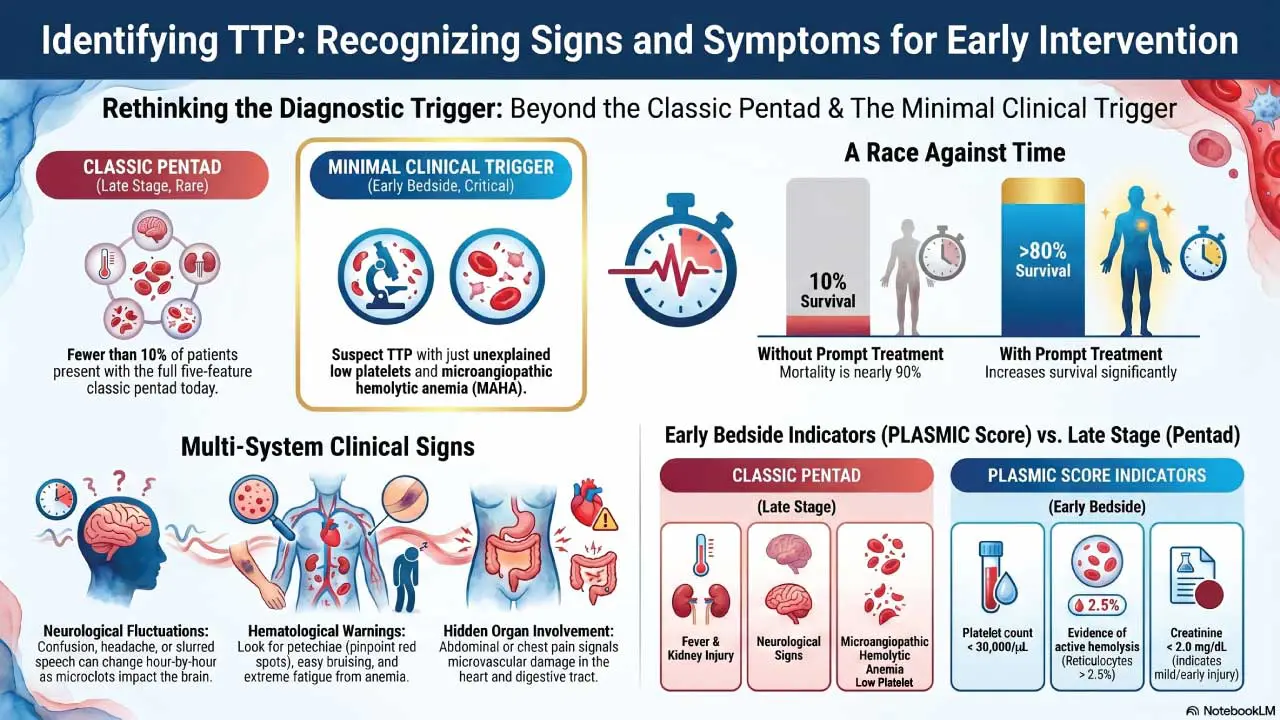
Thrombotic Thrombocytopenic Purpura (TTP) & ADAMTS13
Thrombotic thrombocytopenic purpura (TTP) is a rare and life-threatening blood disorder that causes blood clots to form throughout the body.
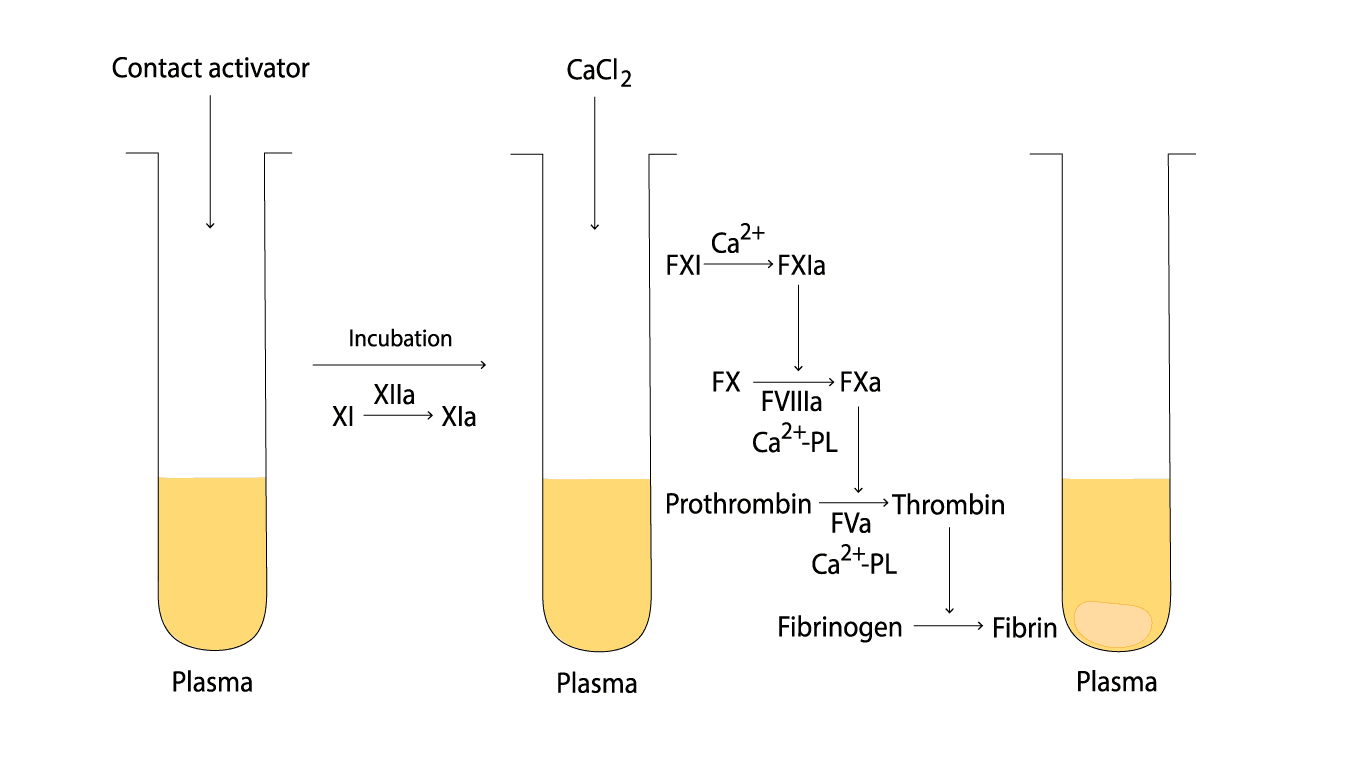
Activated Partial Thromboplastin Time (aPTT) Blood Test
The APTT assay measures how long it takes for a blood clot to form by measuring the amount of time it takes for fibrinogen to be converted to fibrin.
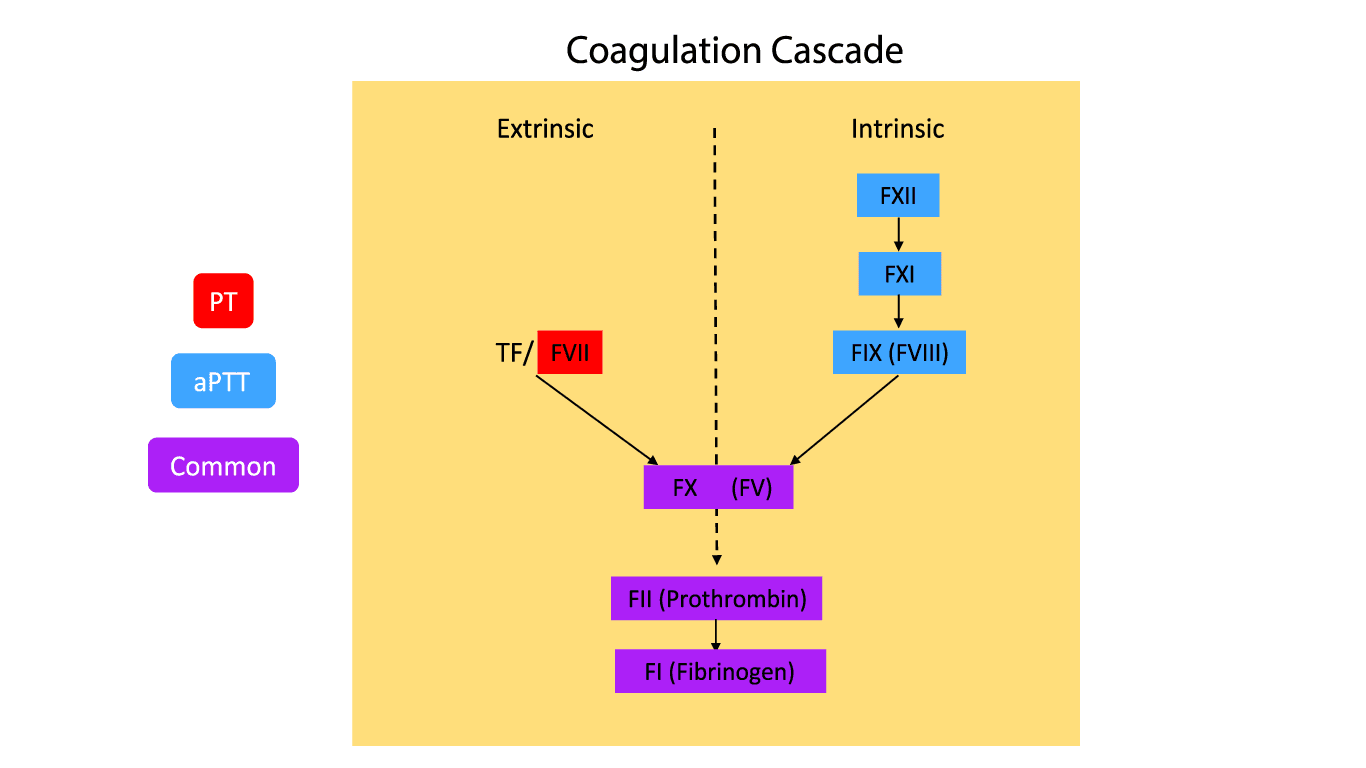
Prothrombin Time (PT) & INR
The PT assay is used to diagnose and monitor a variety of bleeding and clotting disorders by measuring how long it takes a blood clot to form.
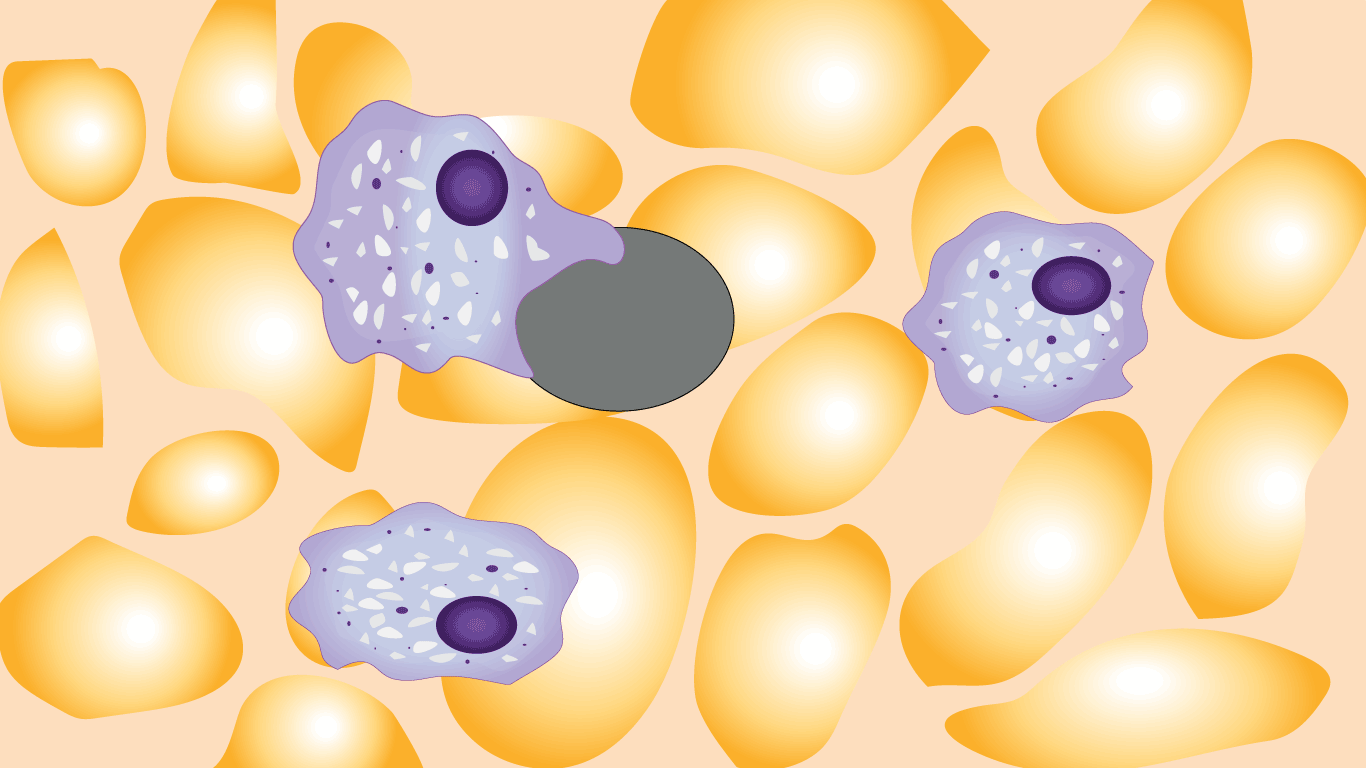
Primary Immune Thrombocytopenia or Primary ITP
Immune thrombocytopenia (ITP) is a rare autoimmune disorder in which the body’s immune system destroys its own platelets.