
White Blood Cells
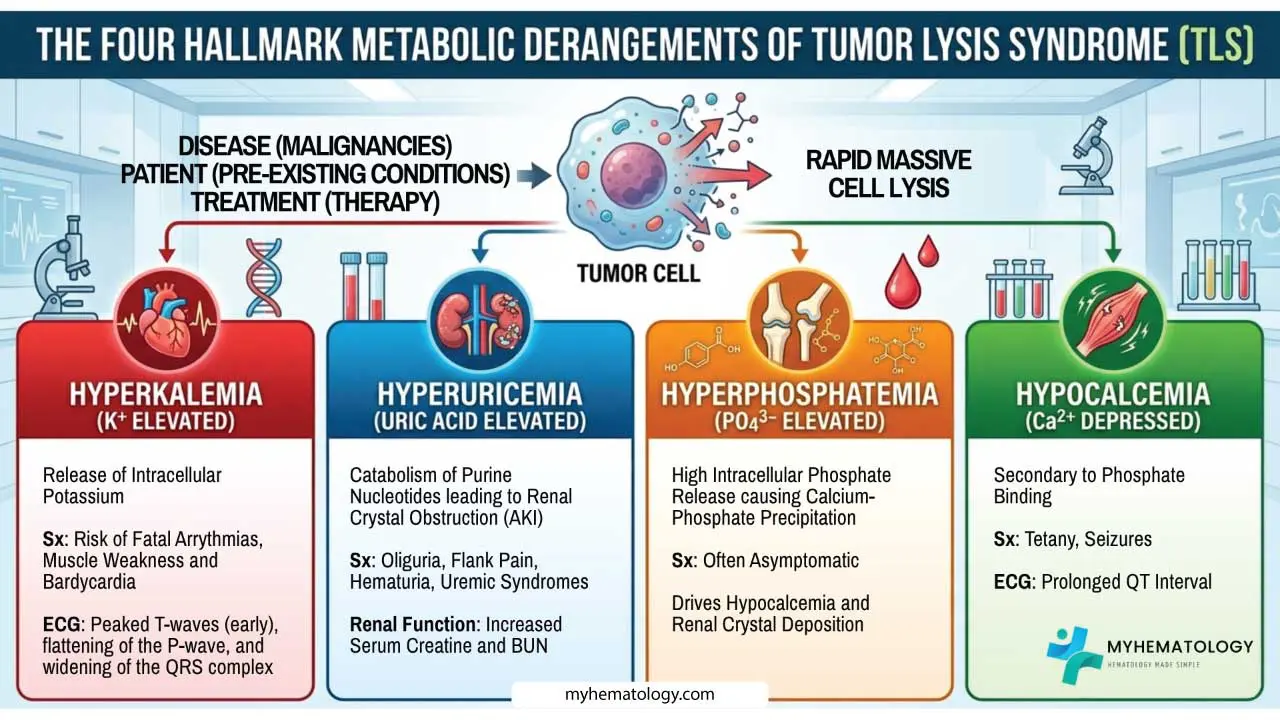
Tumor Lysis Syndrome (TLS)
Tumor Lysis Syndrome or TLS: An oncologic emergency where rapid cell death causes metabolic chaos.
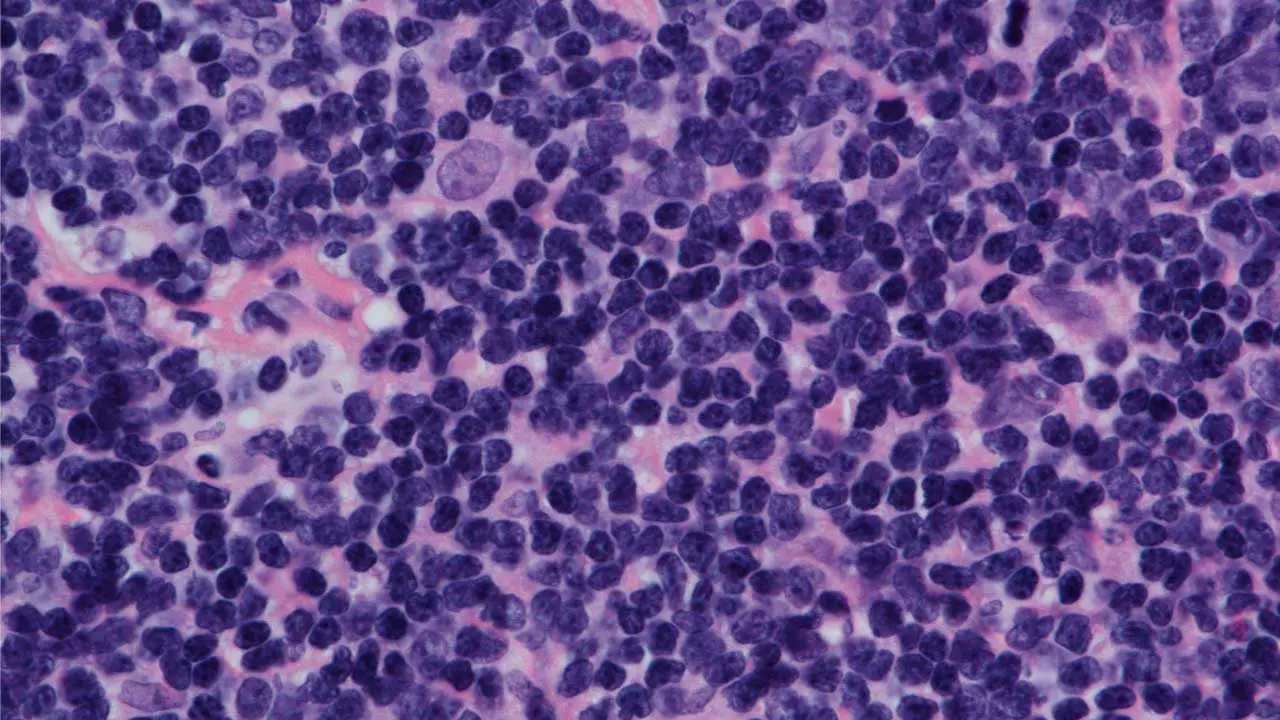
Mantle Cell Lymphoma (MCL Disease)
Explore the essentials of Mantle Cell Lymphoma (MCL). Learn about its unique genetic features, diagnosis, and current treatment strategies.
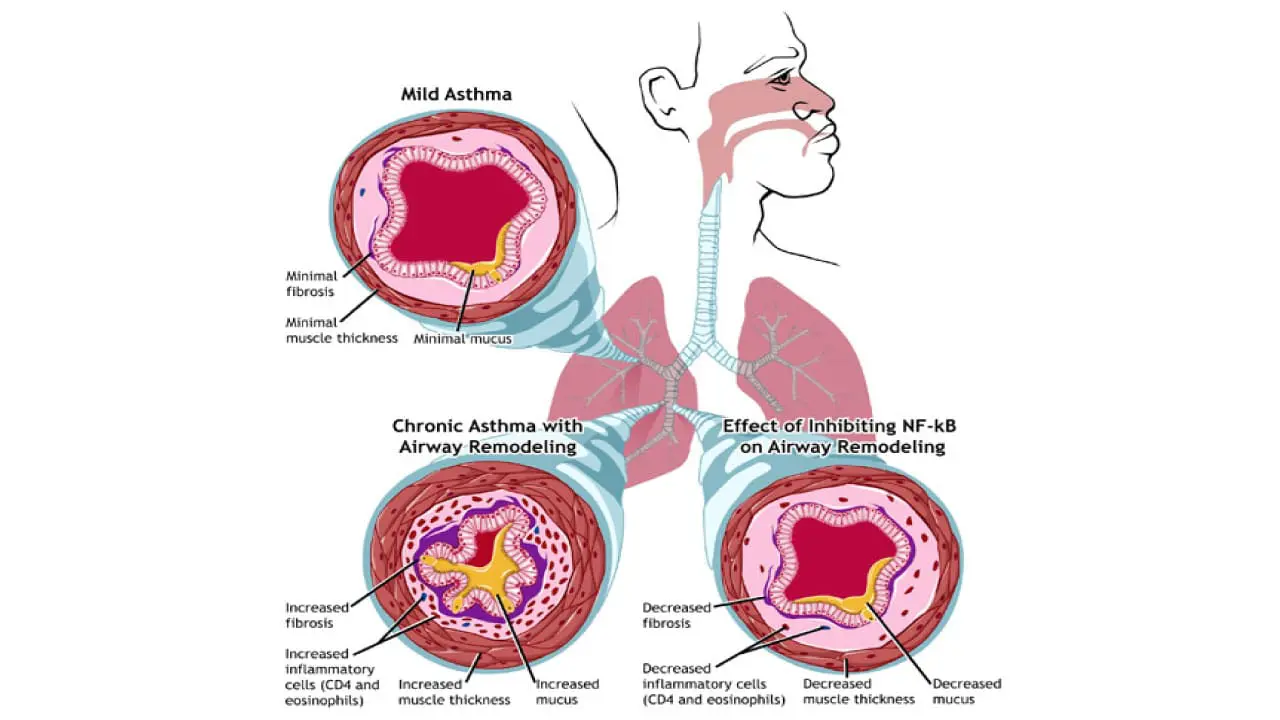
Eosinophilic Asthma
Eosinophilic asthma is a severe subtype of asthma, driven by high eosinophil levels. It often resists standard treatments and may not be allergy-related.
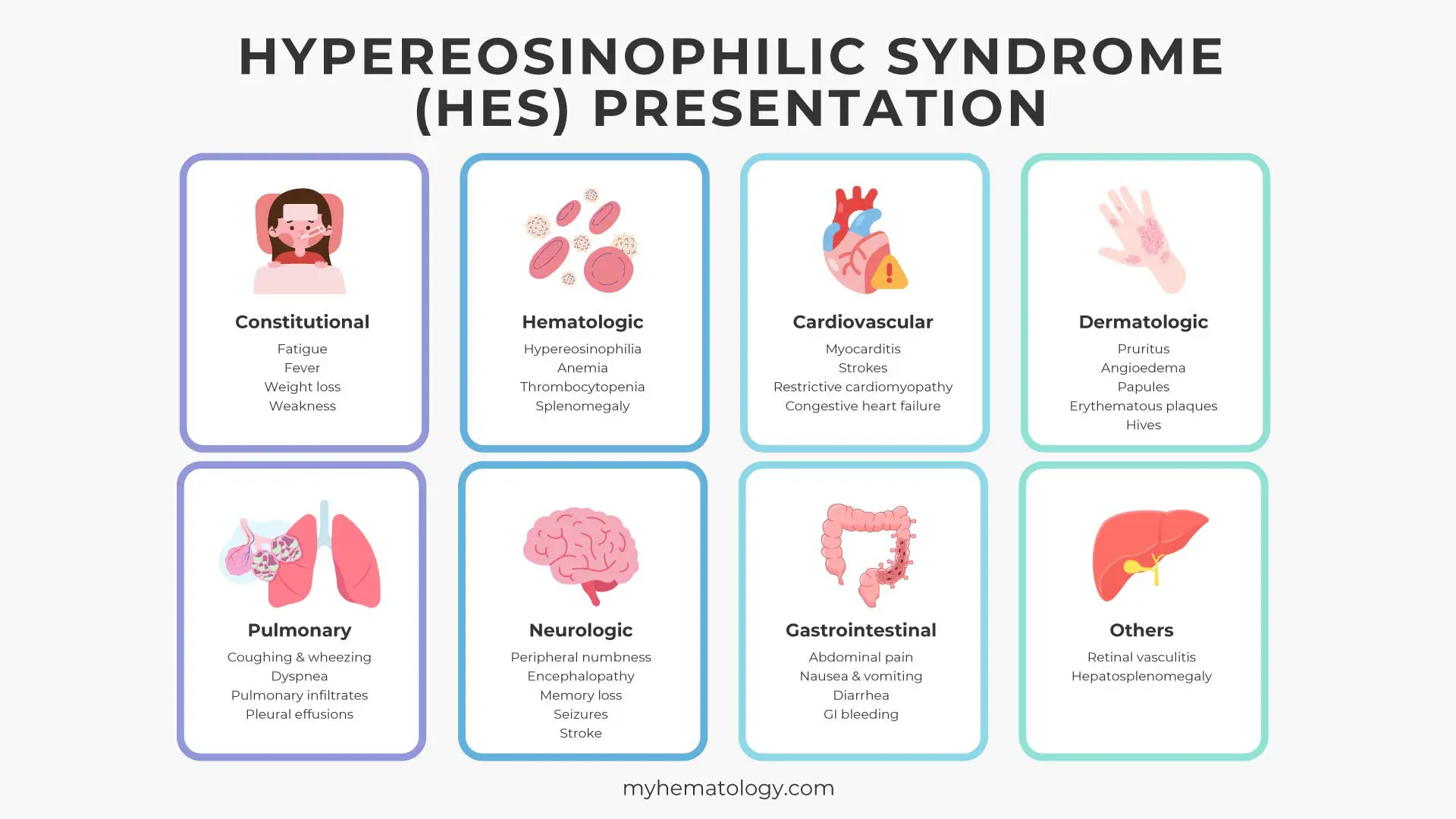
Hypereosinophilic Syndrome (HES)
Hypereosinophilic Syndrome (HES) is a rare disorder causing persistently high eosinophil levels, leading to organ damage and inflammation.
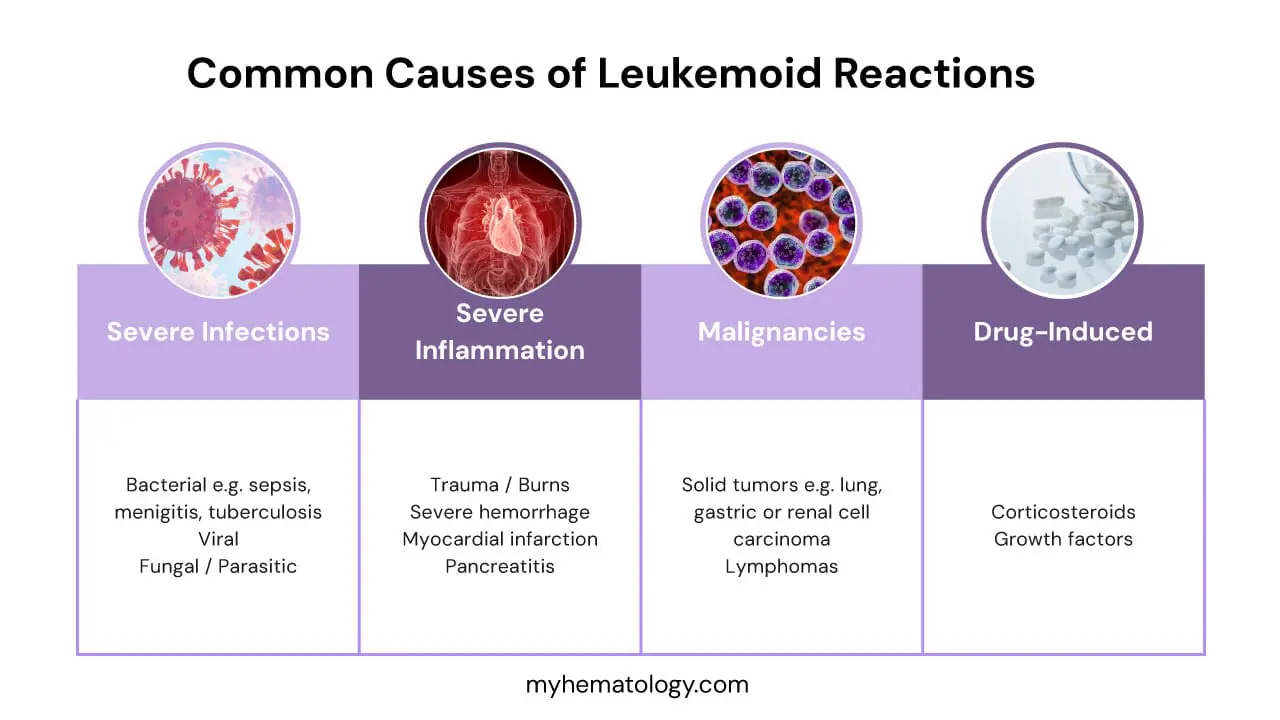
Leukemoid Reaction
Leukemoid reaction is a benign, reactive process with elevated LAP & no Philadelphia chromosome, unlike malignant CML.
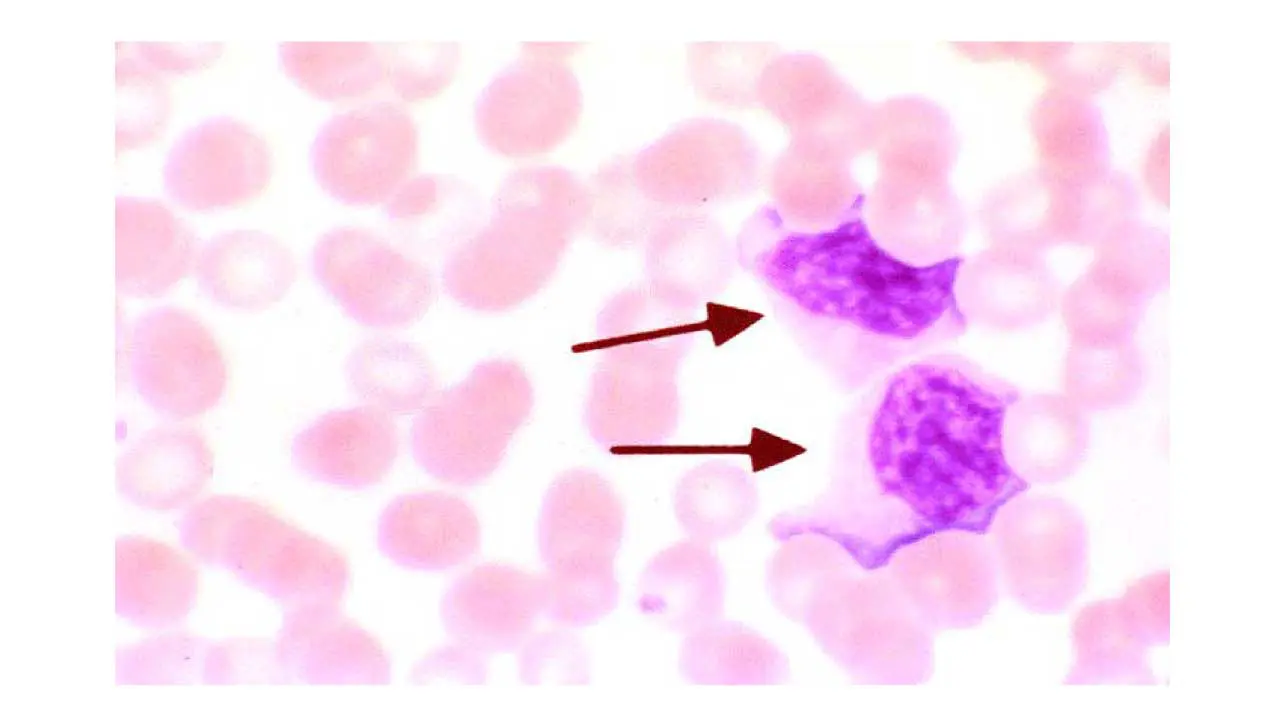
Causes of Atypical Lymphocytes (Reactive Lymphocytes)
Atypical lymphocytes are activated immune cells, often seen in infections. Their unique look aids diagnosis, but distinguishing it from cancer is important.
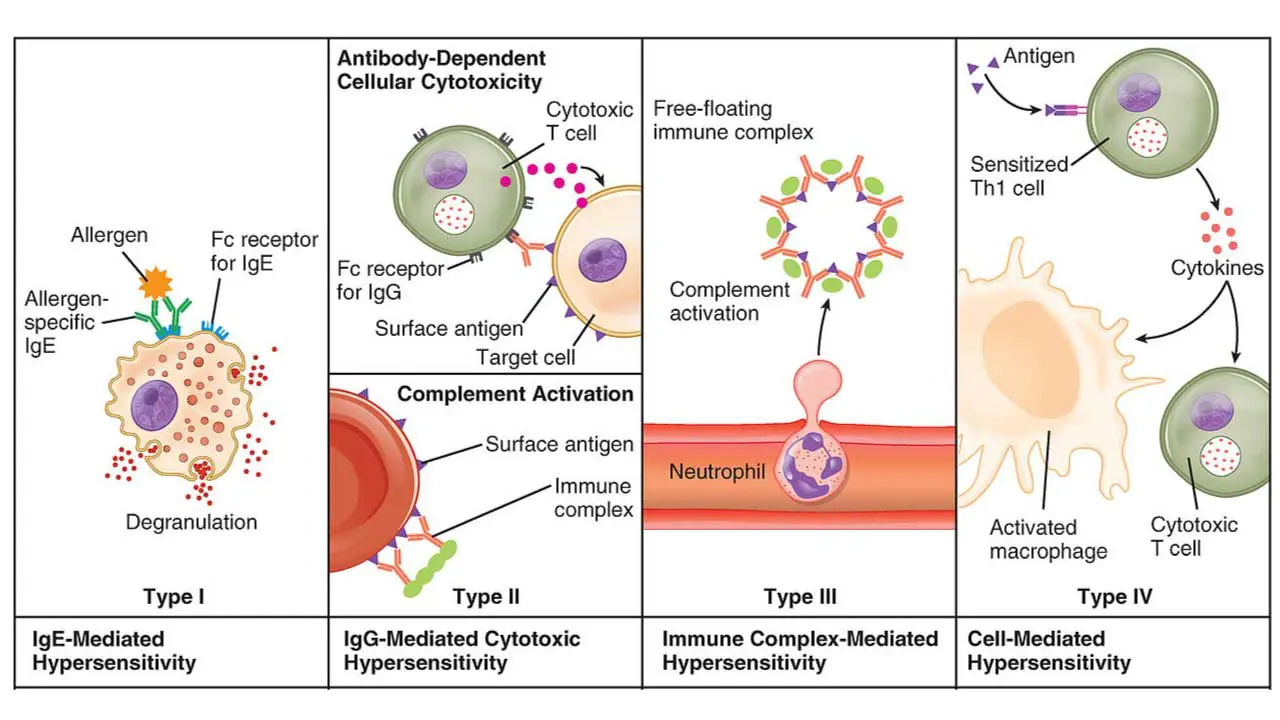
Hypersensitivity Reactions: Causes and Mechanisms
Hypersensitivity is an exaggerated, undesirable immune response to an antigen, causing tissue damage. It encompasses four types: IgE-mediated (allergies), cytotoxic, immune complex, and delayed cell-mediated reactions.