
Red Blood Cells
Diamond-Blackfan Anemia (DBA)
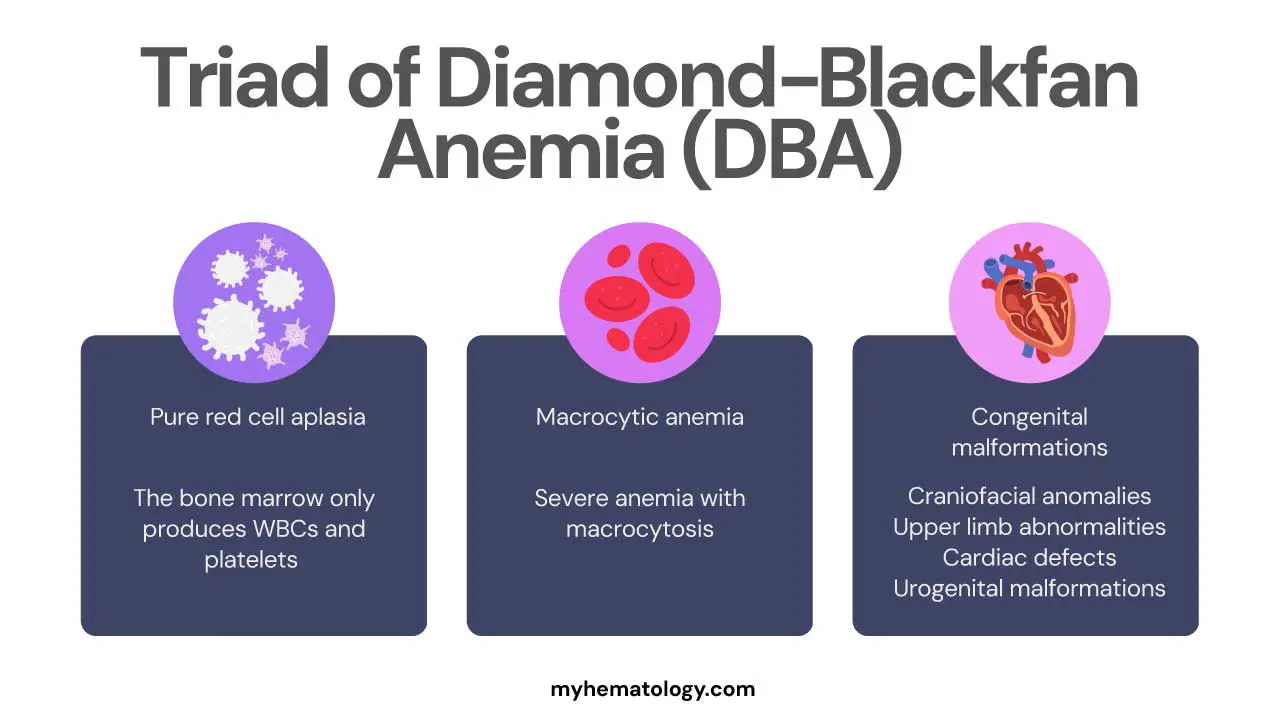
A rare genetic disorder, Diamond-Blackfan anemia stops the bone marrow from making enough red blood cells.
Lead Poisoning
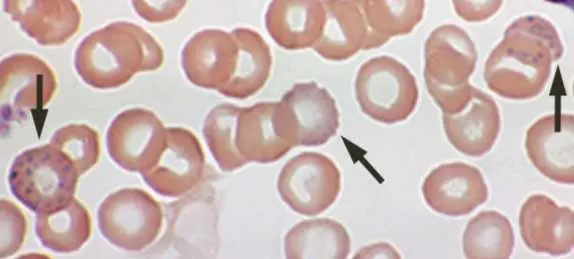
Lead poisoning is preventable. Learn about risks in homes, water, and toys. Find out how to test and reduce exposure.
A Guide to At Home Iron Test
At-home iron tests offer a convenient and accessible way to monitor your iron levels and identify potential deficiencies early on
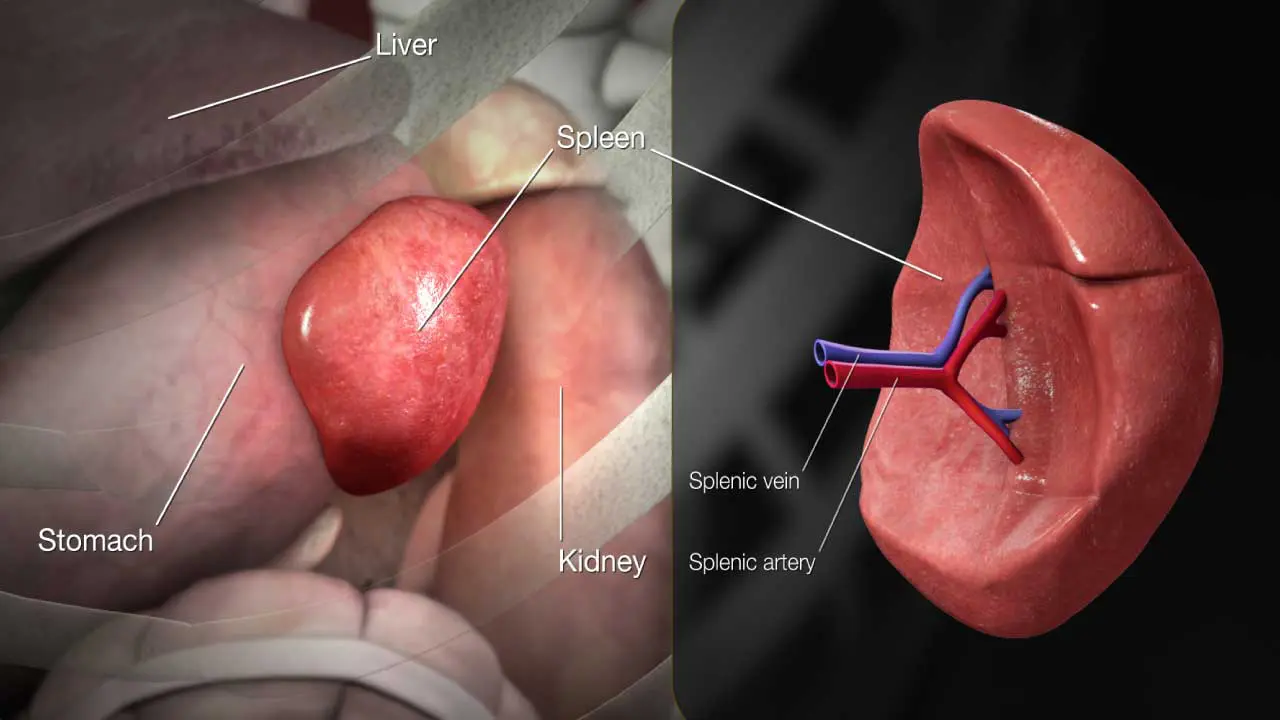
Understanding the Spleen, Splenomegaly & Splenic Pain
The spleen: A key organ for immunity and blood filtration. Learn about its function, location, and related health issues.
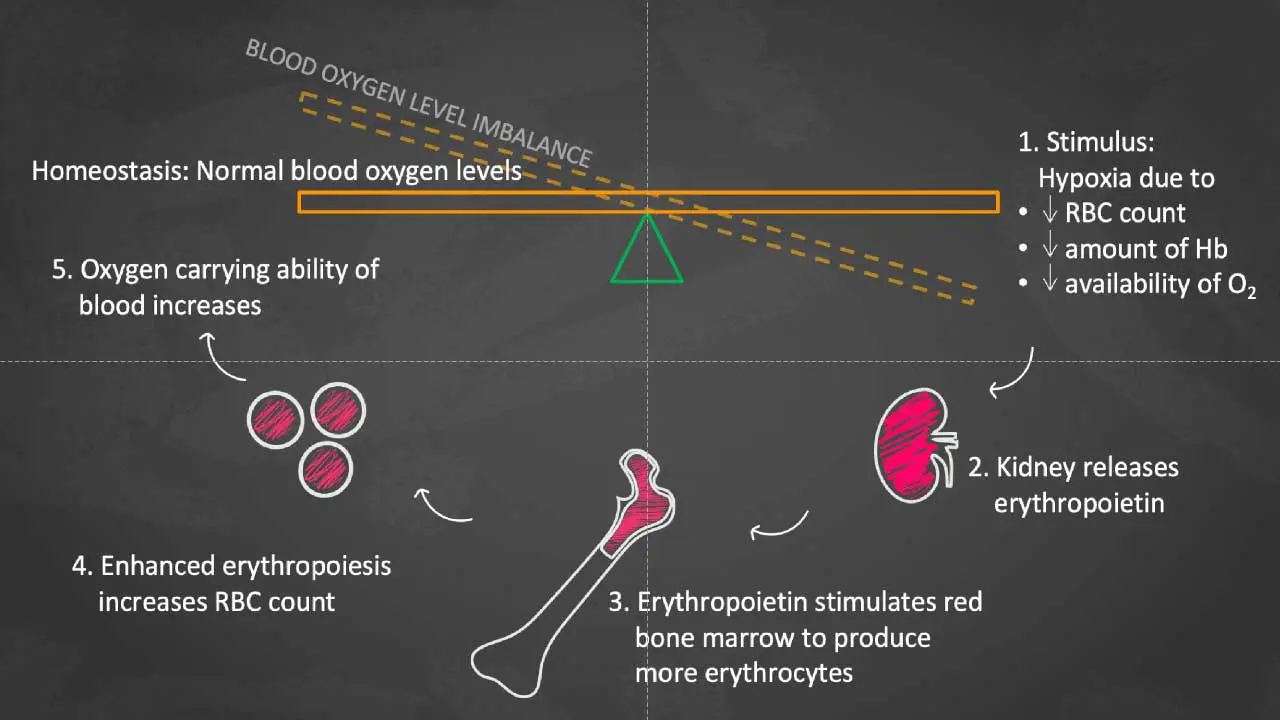
Erythropoietin
Erythropoietin (EPO) is a hormone that stimulates red blood cell production. It plays a crucial role in oxygen transport and is used to treat anemia in various conditions like kidney disease and cancer.
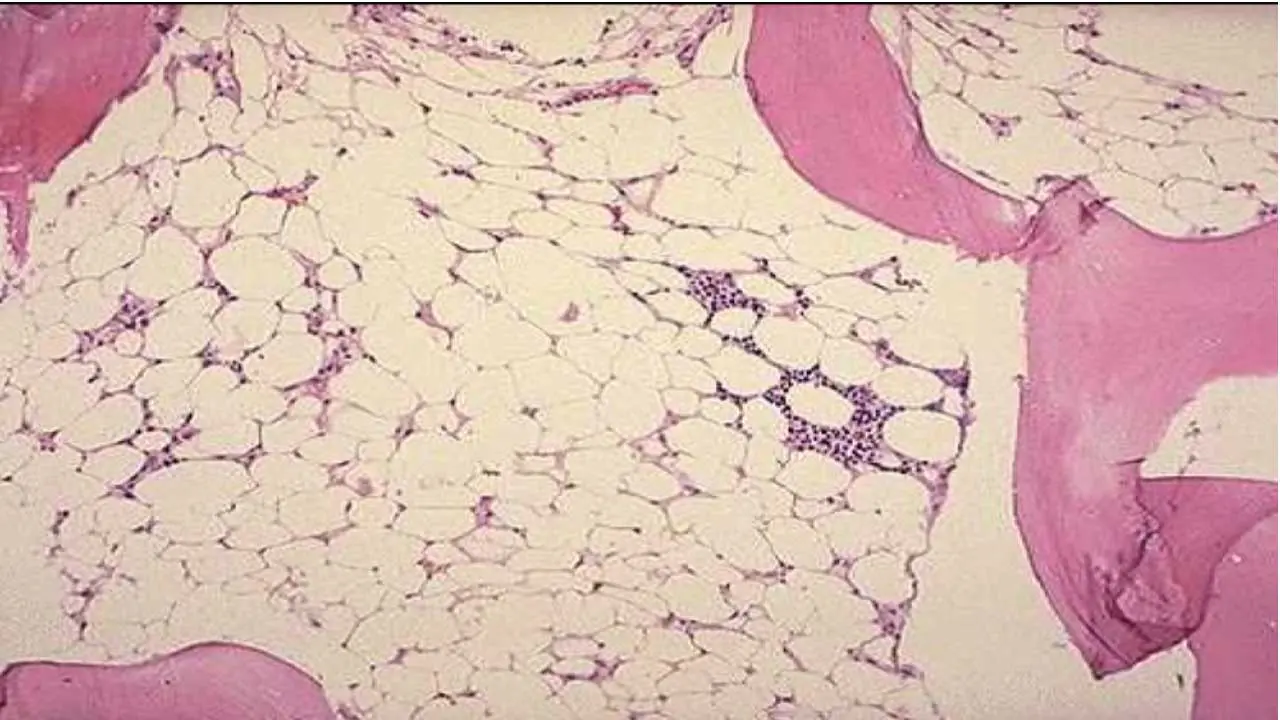
Fanconi Anemia
Fanconi anemia, a rare genetic disorder, causes bone marrow failure and increases cancer risk. Learn about symptoms, causes, diagnosis, and treatment options.

Neonatal Jaundice (High Bilirubin Levels in Newborns)
Neonatal jaundice is a common condition in newborns causing yellowing of the skin and eyes due to excess bilirubin in the blood. It can be caused by various factors, including immature liver function and certain medical conditions. While often harmless, severe cases can lead to complications.