
Hemostasis Disorders
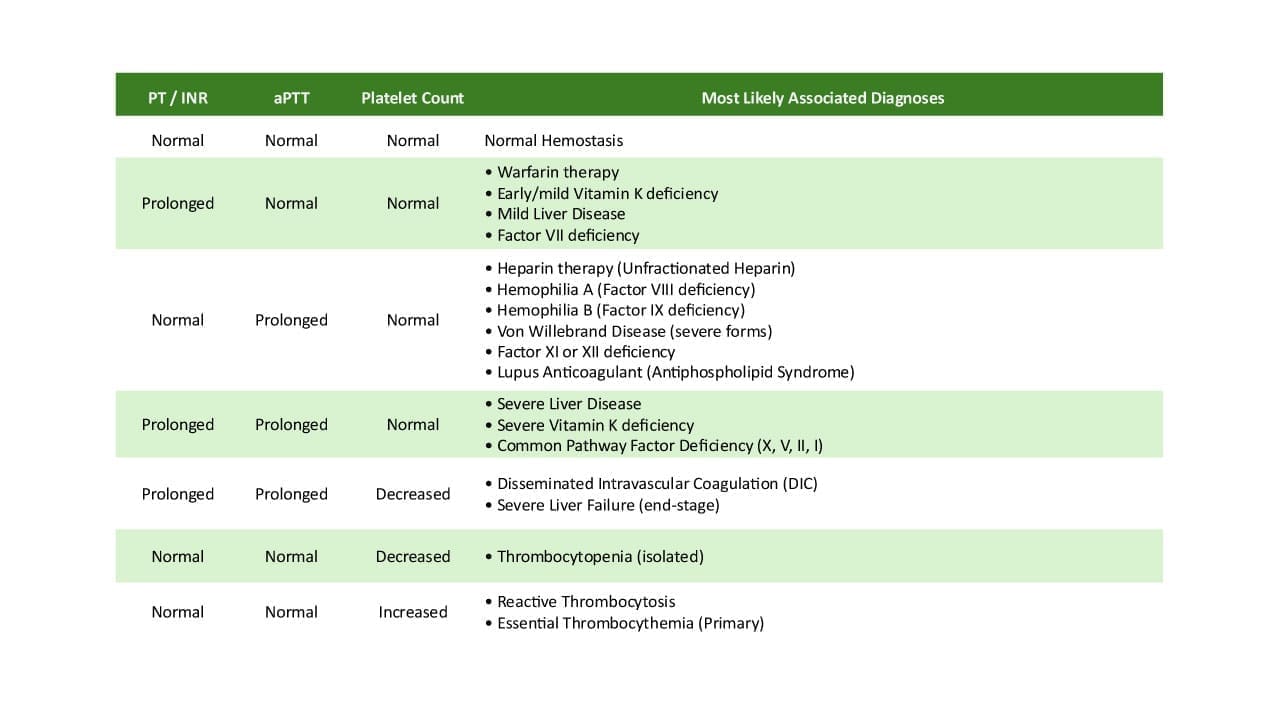
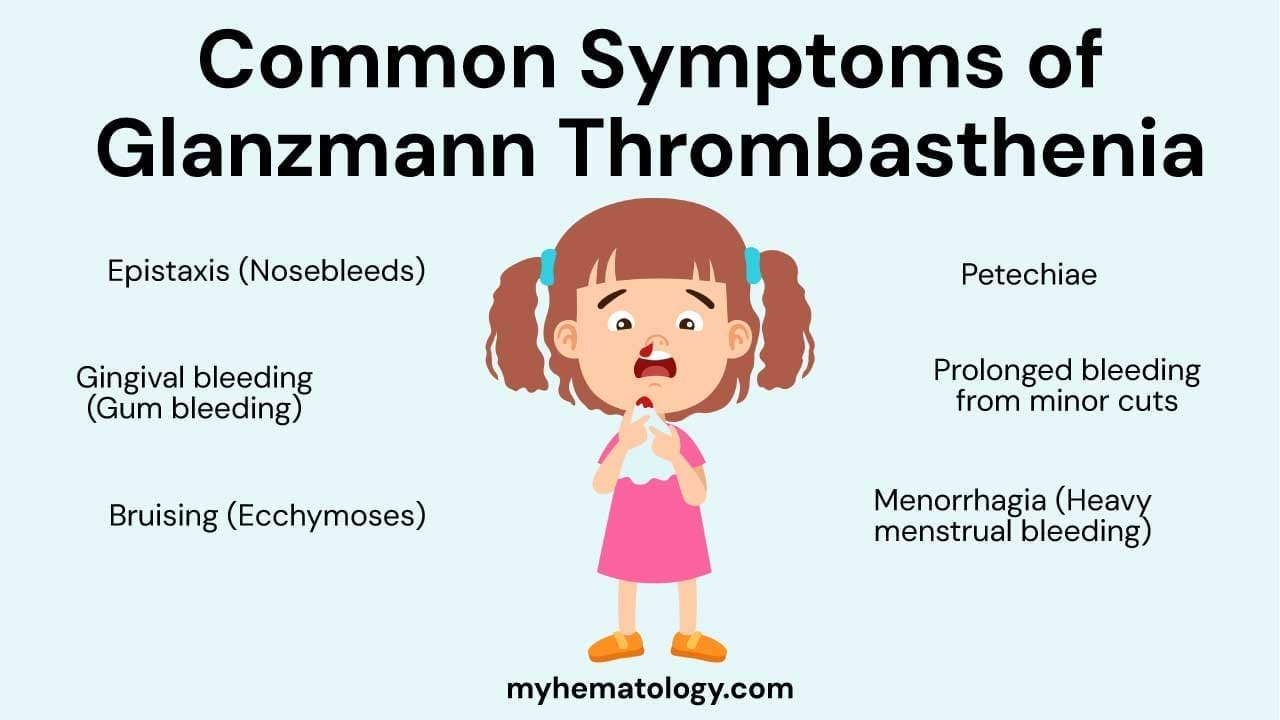

Bernard-Soulier Syndrome
Bernard-Soulier Syndrome (BSS) is a rare inherited bleeding disorder characterized by enlarged platelets, low platelet count, and defective platelet function, often presenting in infancy or early childhood.
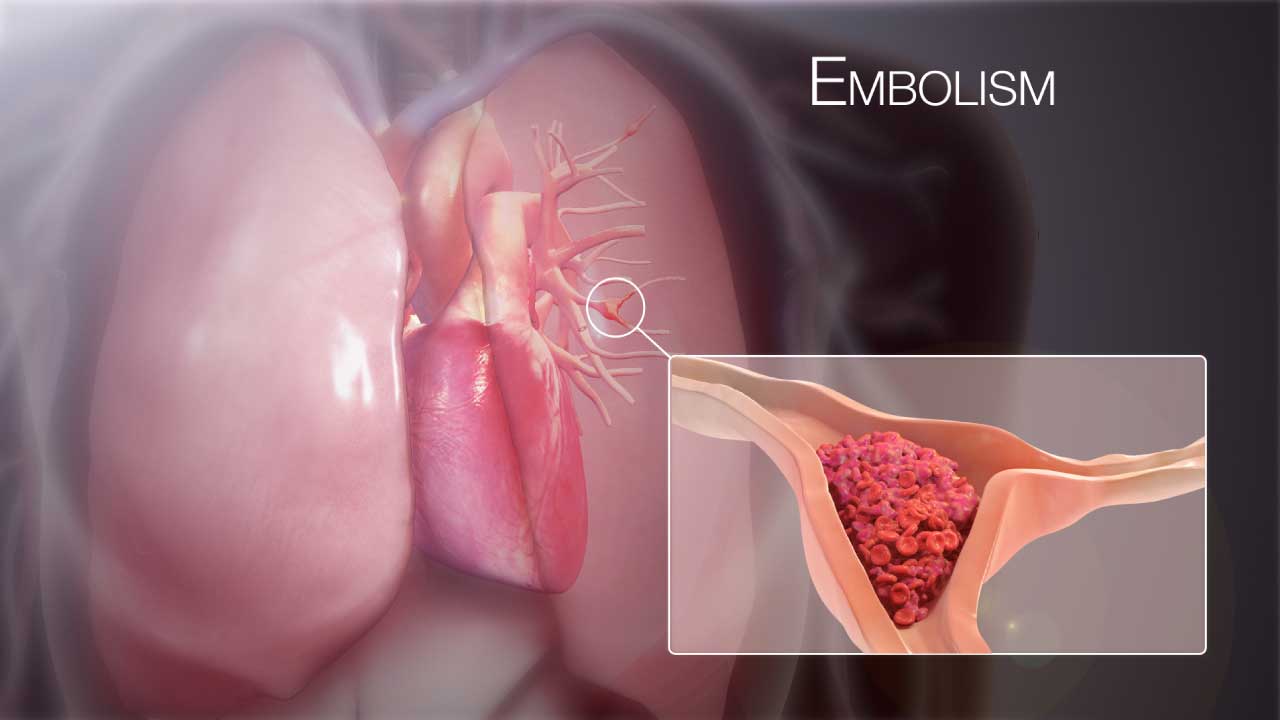
Pulmonary Embolism (PE)
A pulmonary embolism (PE) is a life-threatening blockage in lung arteries, often from a leg clot. Urgent diagnosis and treatment are vital.
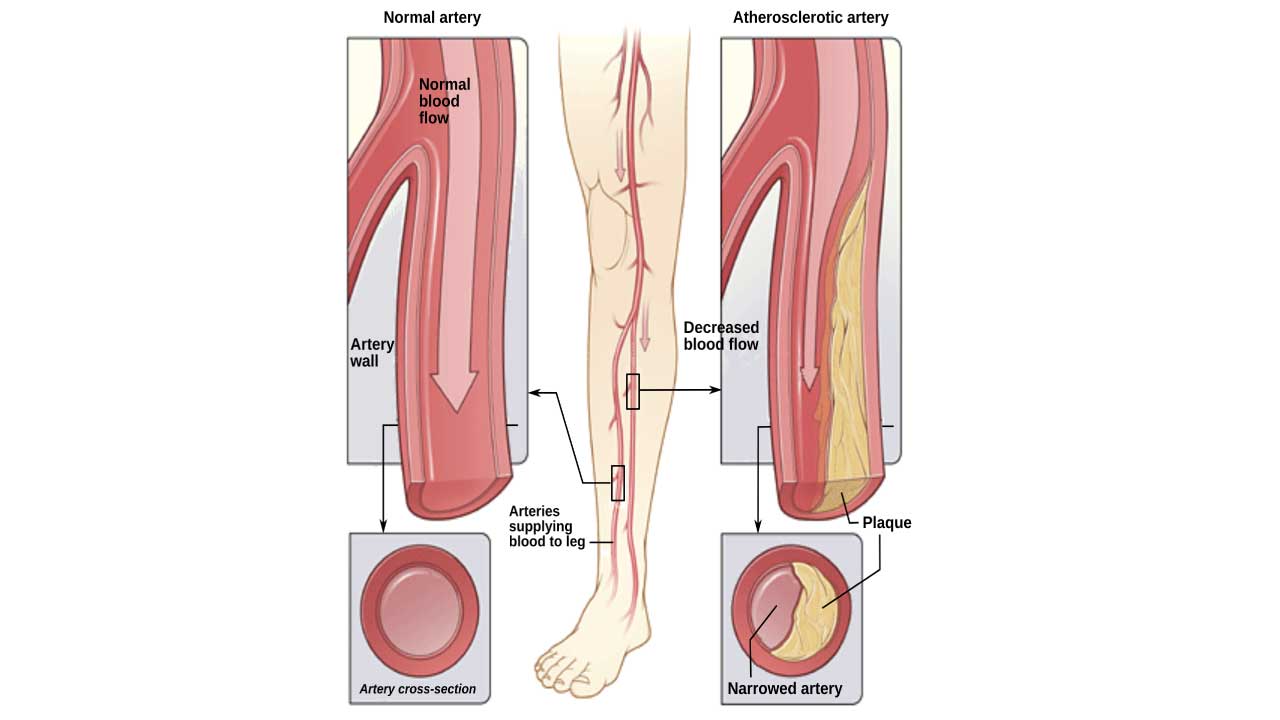
Peripheral Artery Disease (PAD)
PAD: Narrowed leg arteries causing pain, slow healing. Risk factors include smoking & diabetes. Early detection is key to prevent complications.
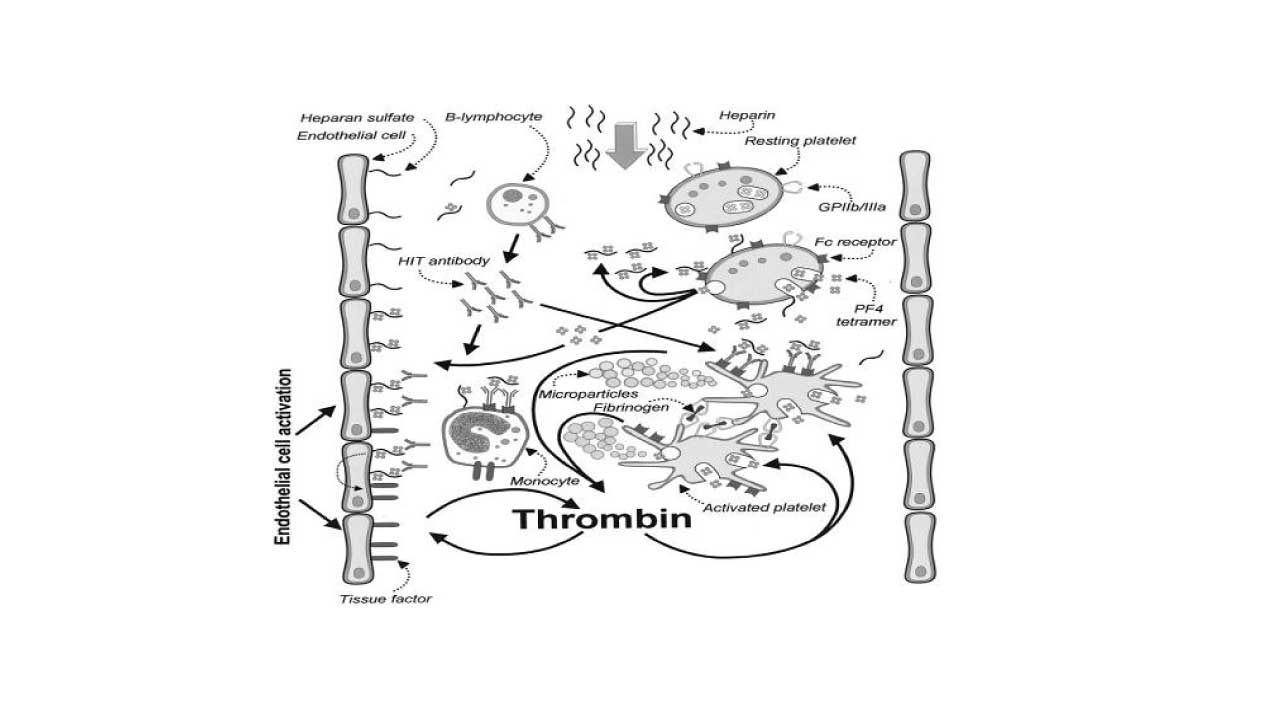
Heparin-Induced Thrombocytopenia
Heparin-induced thrombocytopenia (HIT) is a rare but serious reaction to heparin. It causes low platelet counts & raises clotting risk. Early diagnosis and stopping heparin are crucial.
Thrombophilia
Thrombophilia is an increased tendency to form blood clots. It can be inherited or acquired, raising the risk of DVT, PE, and other thrombotic events. Understanding its causes and management is crucial.
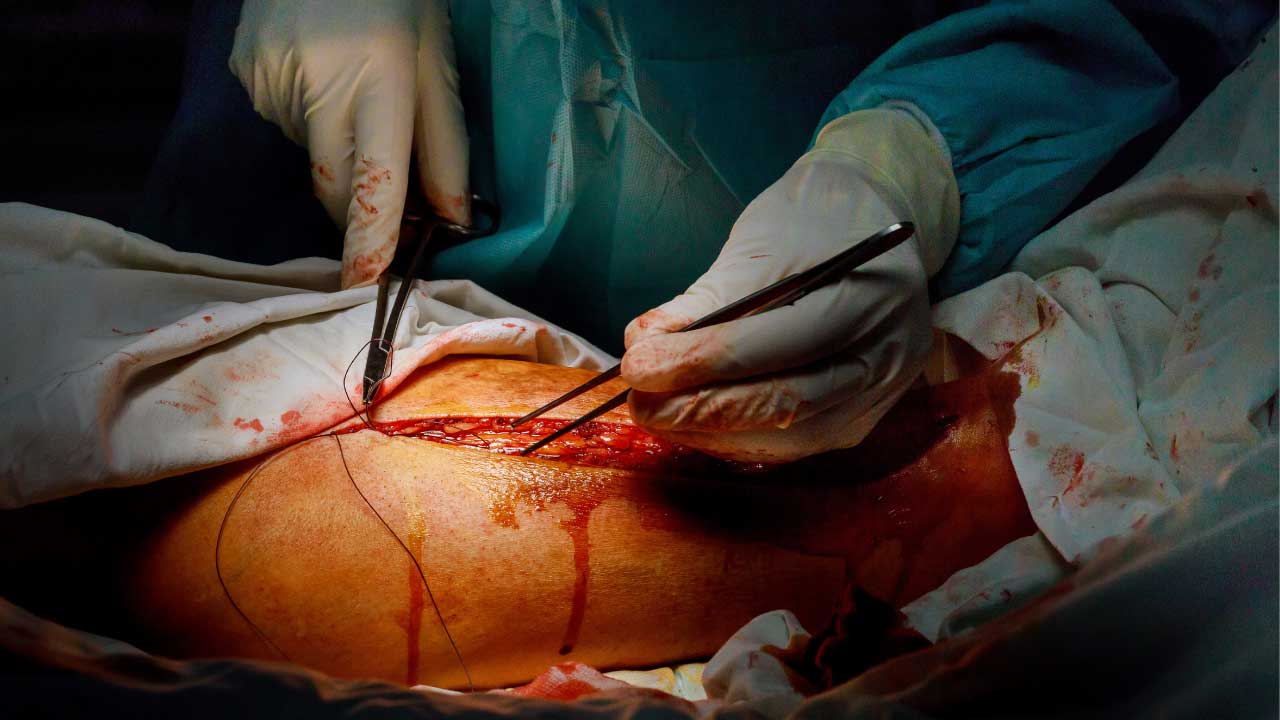
Catastrophic Antiphospholipid Syndrome
Catastrophic Antiphospholipid Syndrome (CAPS) is a rare, severe autoimmune disease causing rapid-onset, widespread blood clotting and multi-organ failure. Prompt diagnosis and aggressive treatment are crucial for survival.
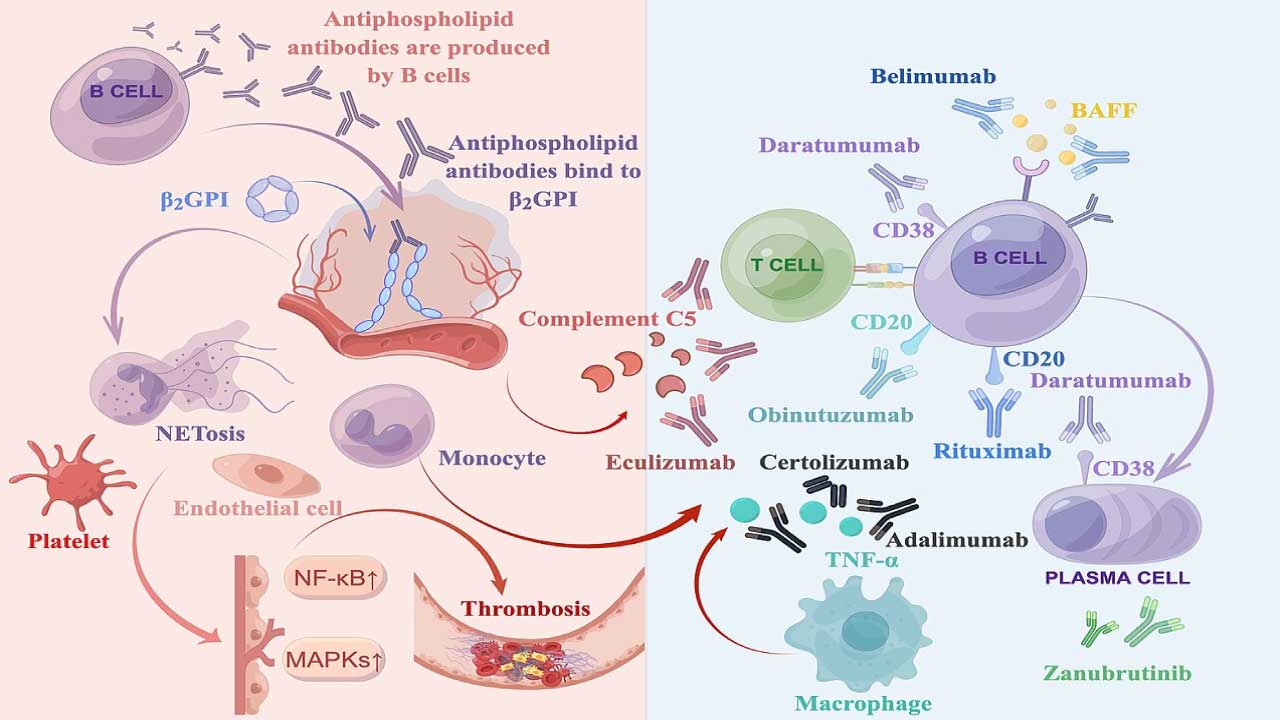
Antiphospholipid Syndrome
Antiphospholipid syndrome (APS) is an autoimmune disorder that increases the risk of blood clots, pregnancy complications, and other health problems. Early diagnosis and management are crucial.